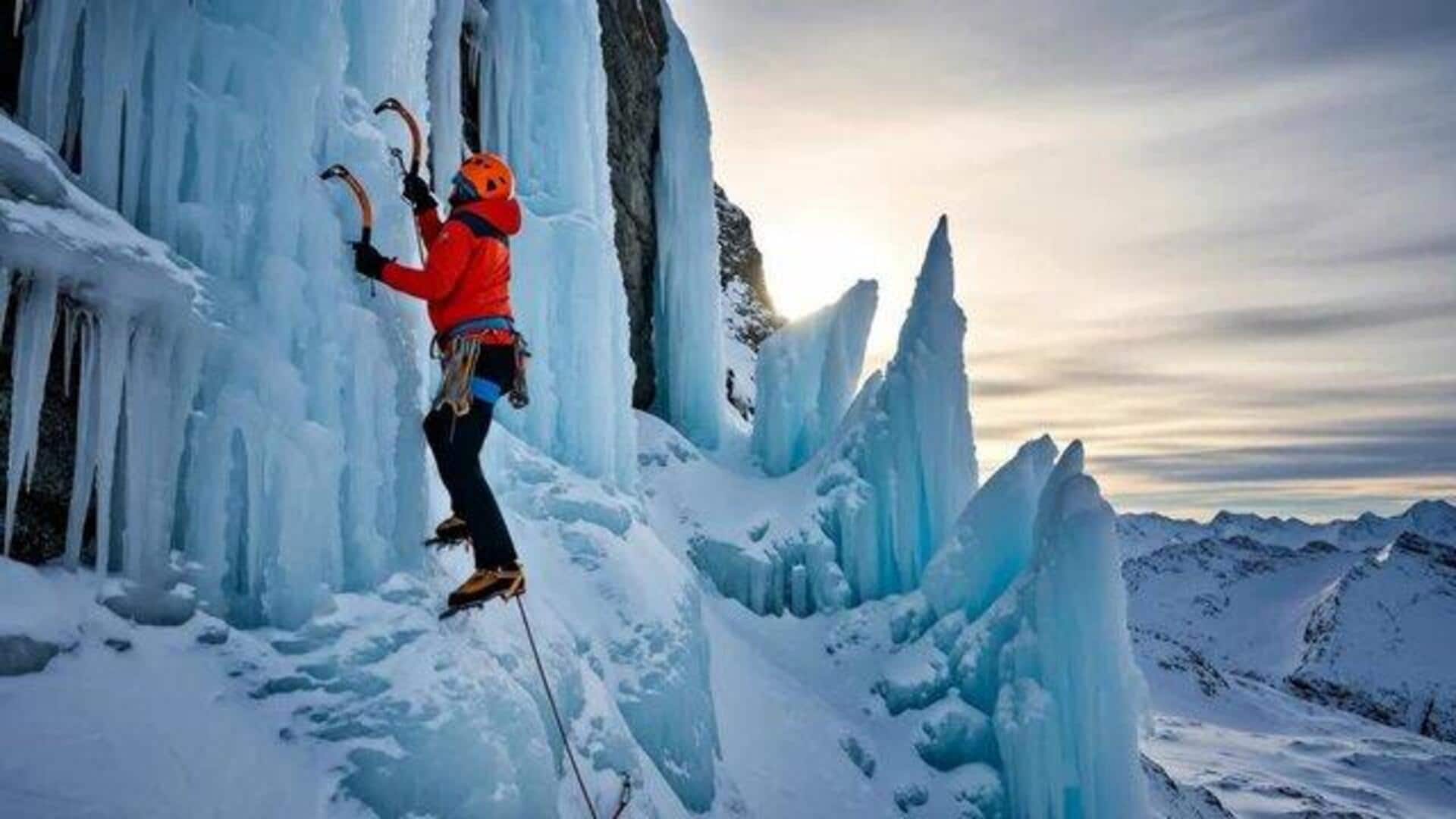
Drakensberg Mountains: A hidden gem for ice climbing enthusiasts
What's the story
Africa's Drakensberg Mountains provide an unparalleled ice climbing experience, unlike any other in the world. The majestic peaks and frozen waterfalls make for an adventurous playground for climbers. The region's unique climate creates ideal conditions for ice formation, making it a must-visit for those looking for adventure. With its breathtaking views and challenging routes, Drakensberg promises an unforgettable experience for climbers of all levels.
#1
Unique ice formations
The Drakensberg Mountains are famous for their unusual ice formations, which result from the region's unique weather patterns.
These formations are not just beautiful but also make for a challenging climb for climbers.
The combination of high altitude and fluctuating temperatures creates the perfect environment for ice to form in unusual shapes, making each climb a unique experience.
#2
Best time to visit
The best time to visit the Drakensberg for ice climbing is during the winter months from June to August.
During this time, temperatures drop sufficiently to allow for the formation of solid ice structures.
Climbers can expect more stable conditions and better visibility during these months, making it easier to plan climbs and navigate routes safely.
#3
Essential gear for climbers
Proper gear is essential for safe and enjoyable ice climbing in the Drakensberg.
Climbers should invest in high-quality crampons, ice axes, and warm clothing to withstand the cold temperatures.
A reliable helmet is also crucial to protect against falling debris from above.
Additionally, carrying climbing ropes and harnesses ensures safety while tackling challenging routes.
Tip 1
Navigating challenges safely
Safety should always be the top priority while climbing in the Drakensberg Mountains.
Climbers should assess weather conditions before heading out, as sudden changes can affect visibility and route stability.
It's also important to stay hydrated and take breaks when needed, as high altitudes may cause fatigue more quickly than expected.