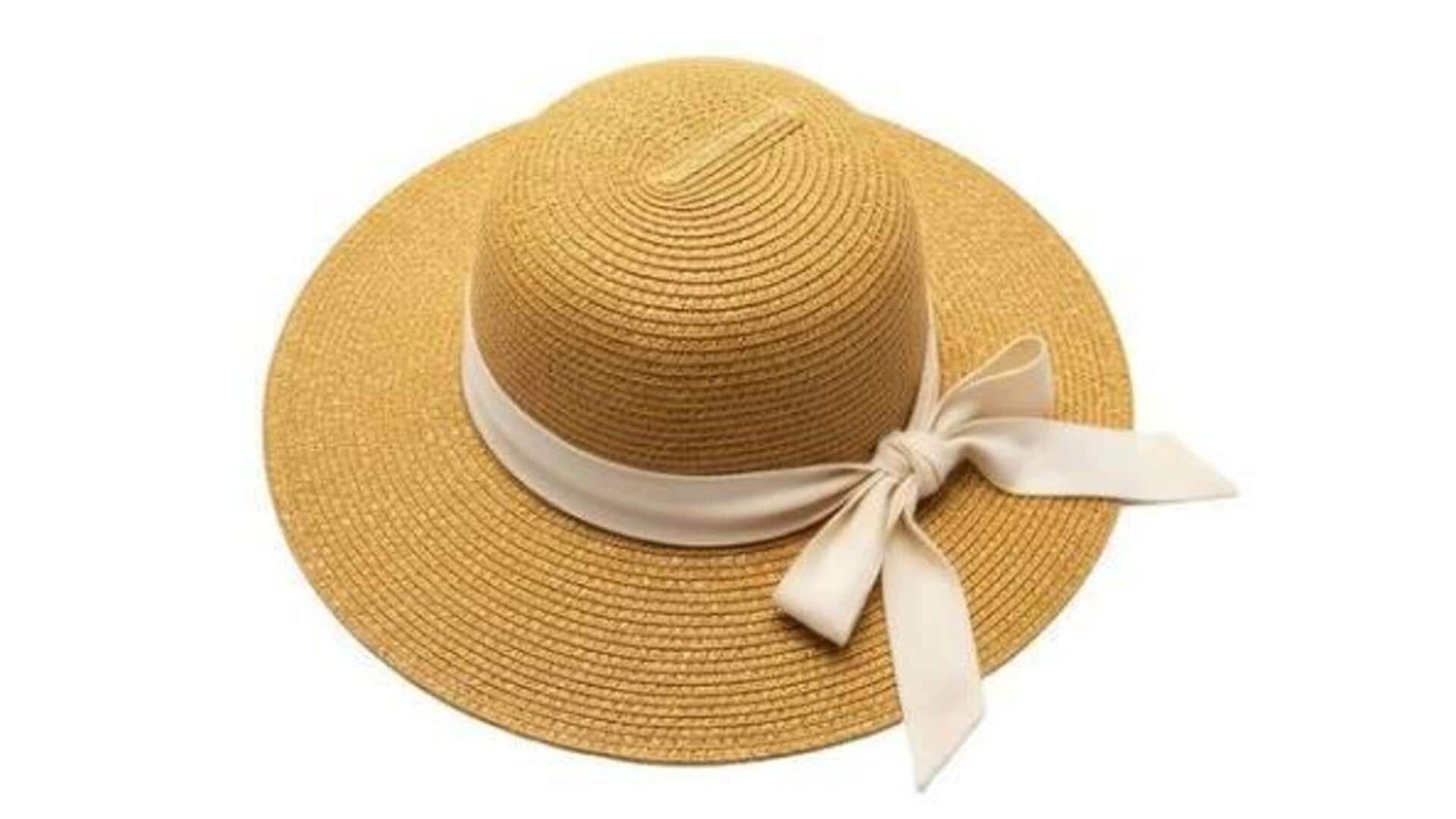
How to make a traditional straw hat at home
What's the story
Creating a Mokorotlo hat is an art that reflects the rich cultural heritage of Africa. This traditional headgear, characterized by its unique shape and design, is often worn during significant ceremonies and events. Crafting one requires understanding the materials used, the techniques involved, and the cultural significance behind it. Here is a guide to help you understand the process of making this iconic hat.
Materials
Understanding the materials
To make a Mokorotlo hat, you need specific materials.
Traditionally, animal hides are used for their durability and flexibility. These hides are tanned using natural methods to preserve them and give them a distinct texture.
In some cases, plant fibers may also be used as an alternative or supplement to animal hides.
Knowing these materials is essential for authenticity in crafting.
Techniques
Traditional crafting techniques
The crafting of a Mokorotlo hat involves several traditional techniques passed down through generations.
First, the hide is carefully measured and cut according to desired dimensions.
Then, artisans skillfully shape it by stretching and molding it into the iconic form.
This process requires patience and precision to ensure that each piece maintains its structural integrity, while being comfortable to wear.
Significance
Cultural significance of the hat
The Mokorotlo hat is not just a fashion statement; it is a symbol of identity and pride in many African communities.
It is often worn during important ceremonies, like weddings or community gatherings, signifying respect and status within the group.
Understanding its cultural importance adds depth to the crafting process, as artisans aim not only for physical accuracy but also for cultural relevance in their creations.
Tips
Tips for modern adaptations
While traditional methods remain popular, modern adaptations have also made their way into Mokorotlo hat designs.
These include experimenting with colors and incorporating new materials like synthetic fibers for added comfort or durability, without compromising on style or cultural essence.
Artisans are encouraged to explore these possibilities while respecting tradition's core values.