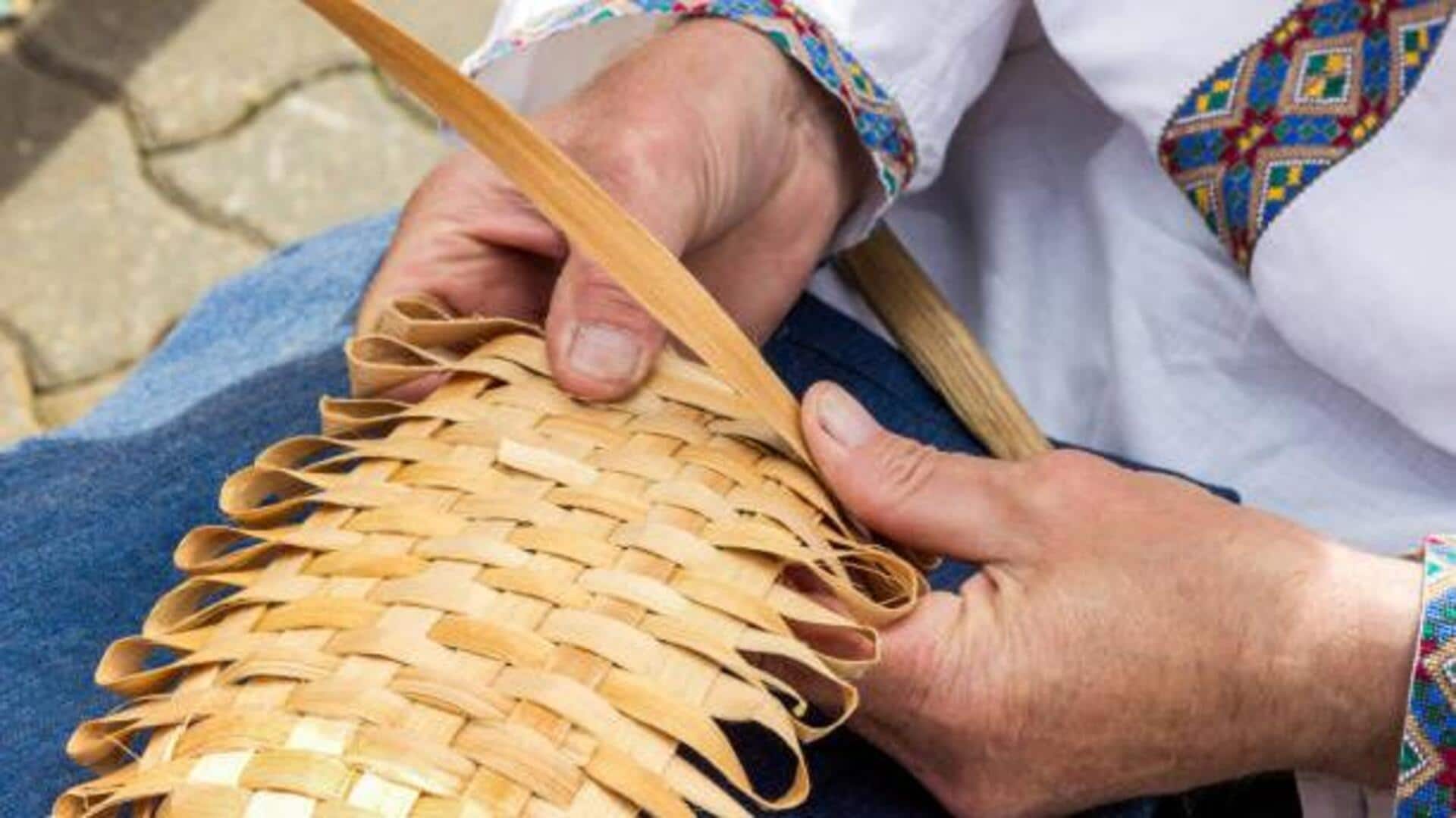
How to make masks using natural fibers
What's the story
African masks are culturally significant, representing various traditions and beliefs. Making these masks using indigenous plant fibers is a sustainable and authentic way to connect with African heritage. The process involves using natural materials that have been used for centuries, preserving the environment and cultural practices. Here are five sections detailing the steps and insights into crafting these unique pieces.
#1
Selecting the right plant fibers
Choosing the right plant fibers is essential for crafting durable African masks. Commonly used fibers include raffia, banana leaves, and palm fronds. These materials are strong yet flexible, allowing artisans to shape them easily. When selecting fibers, ensure they are free from defects and have a consistent texture. This selection process ensures that the final product is both aesthetically pleasing and structurally sound.
#2
Preparing the fibers for use
Once selected, the plant fibers need to be prepared for use. This involves cleaning them thoroughly to remove any dirt or impurities. Soaking the fibers in water can make them more pliable and easier to work with. After soaking, they should be dried under shade to prevent damage from direct sunlight. Proper preparation enhances the quality of the mask.
#3
Designing the mask structure
Designing the mask structure is a creative process that involves sketching out patterns on paper or directly onto the fiber material. Artisans often draw inspiration from traditional designs that hold cultural significance. The design phase includes deciding on facial features, textures, and other decorative elements that reflect African artistic styles.
#4
Assembling components with precision
Assembling components of an African mask requires precision and skill. Artisans carefully weave or stitch together different parts using additional plant materials such as vines or twine for reinforcement. This step ensures that all elements fit together seamlessly, while maintaining structural integrity throughout its use.
Tip 5
Finishing touches: Painting & embellishments
The final touches involve painting the mask with natural dyes made from plants or minerals, giving it vibrant colors that are culturally significant. Embellishments like beads, shells, or feathers are added to enhance the visual appeal and add layers of meaning, telling stories or representing certain aspects of the culture associated with the mask-making tradition itself.