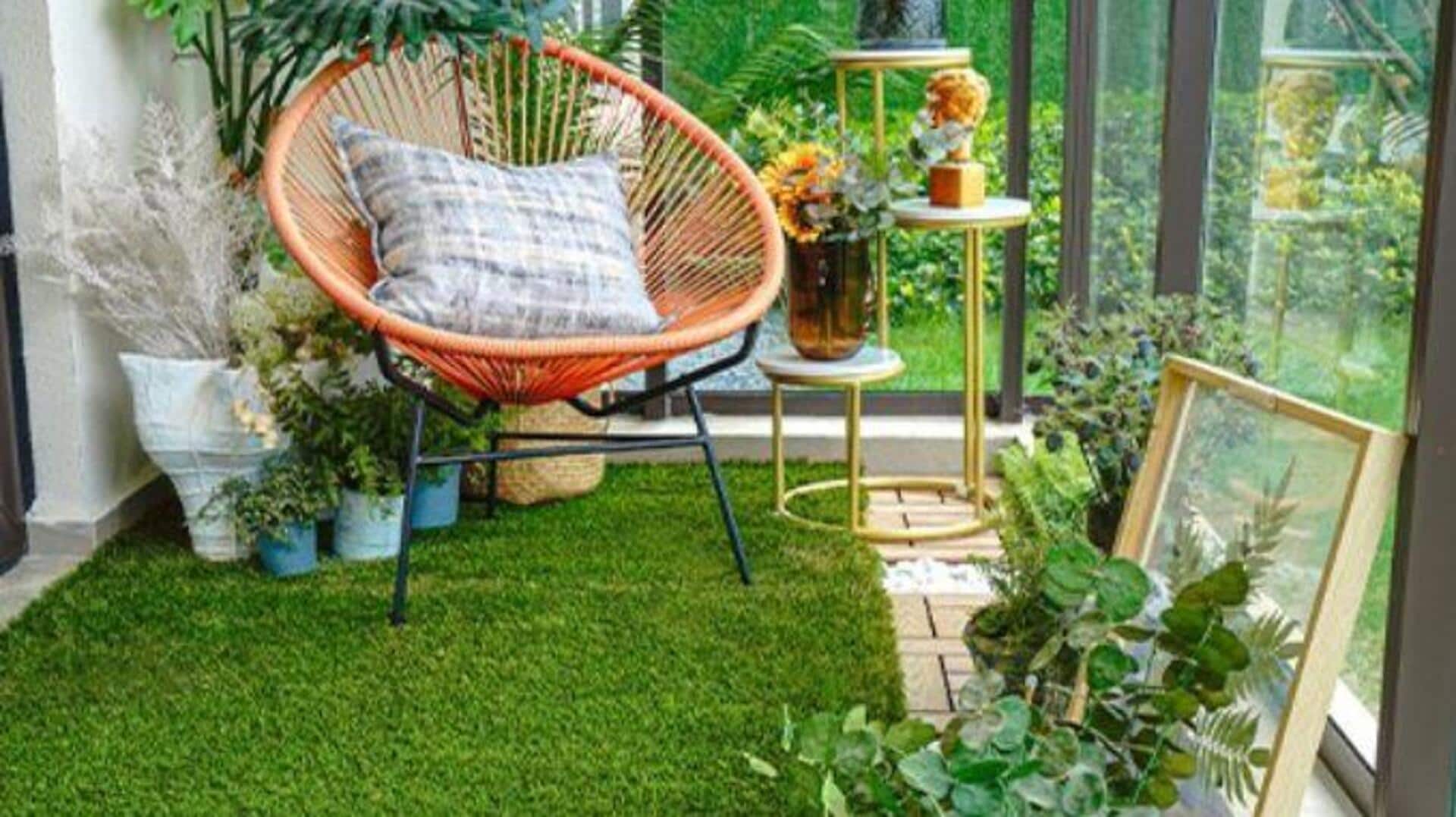
DIY: Create beautiful grass mats at home
What's the story
Creating Eswatini-style grass mats is a rewarding craft that connects you to African traditions. These mats, made from natural materials, are not just functional but also beautiful. They represent the rich cultural heritage of Eswatini (formerly Swaziland) and are used in homes for various purposes. By learning this craft, you can appreciate the artistry involved and perhaps even use it as a sustainable practice in your own home.
#1
Gathering natural materials
To make authentic Eswatini-style grass mats, you need to gather natural materials.
The main ingredient is long grass, which is usually found near water bodies. You can also use reeds or other similar plants that grow abundantly in the region.
Make sure the plants are sturdy enough to withstand wear and tear.
Once collected, clean them properly to remove dirt and impurities before using them in your mat-making process.
#2
Weaving techniques explained
Weaving these mats requires some basic techniques that have been passed down through generations.
Start by laying out the foundation with horizontal strands of grass. Then, interlace vertical strands over and under these foundations to create a tight weave.
Practice makes perfect, so do not worry if your first few attempts are not perfect.
With time, you will master the art of weaving intricate patterns that are characteristic of Eswatini-style mats.
#3
Incorporating traditional patterns
Traditional patterns play an important role in giving these grass mats their cultural significance.
These patterns often represent different aspects of life or nature in Eswatini culture.
Research common designs like zigzags or geometric shapes before you start weaving your mat.
Incorporating these patterns not only makes your mat visually appealing but also connects it to its cultural roots.
Tip 1
Maintaining your grass mat
Once you have made your grass mat, it's important to maintain it properly so that it lasts long.
Regularly shake out any dirt or debris that may have accumulated on its surface.
Avoid exposing it directly under sunlight for long periods, as this may cause fading over time.
If needed, lightly dampen with water during cleaning sessions without soaking completely through fibers. This prevents mold growth while preserving structural integrity.