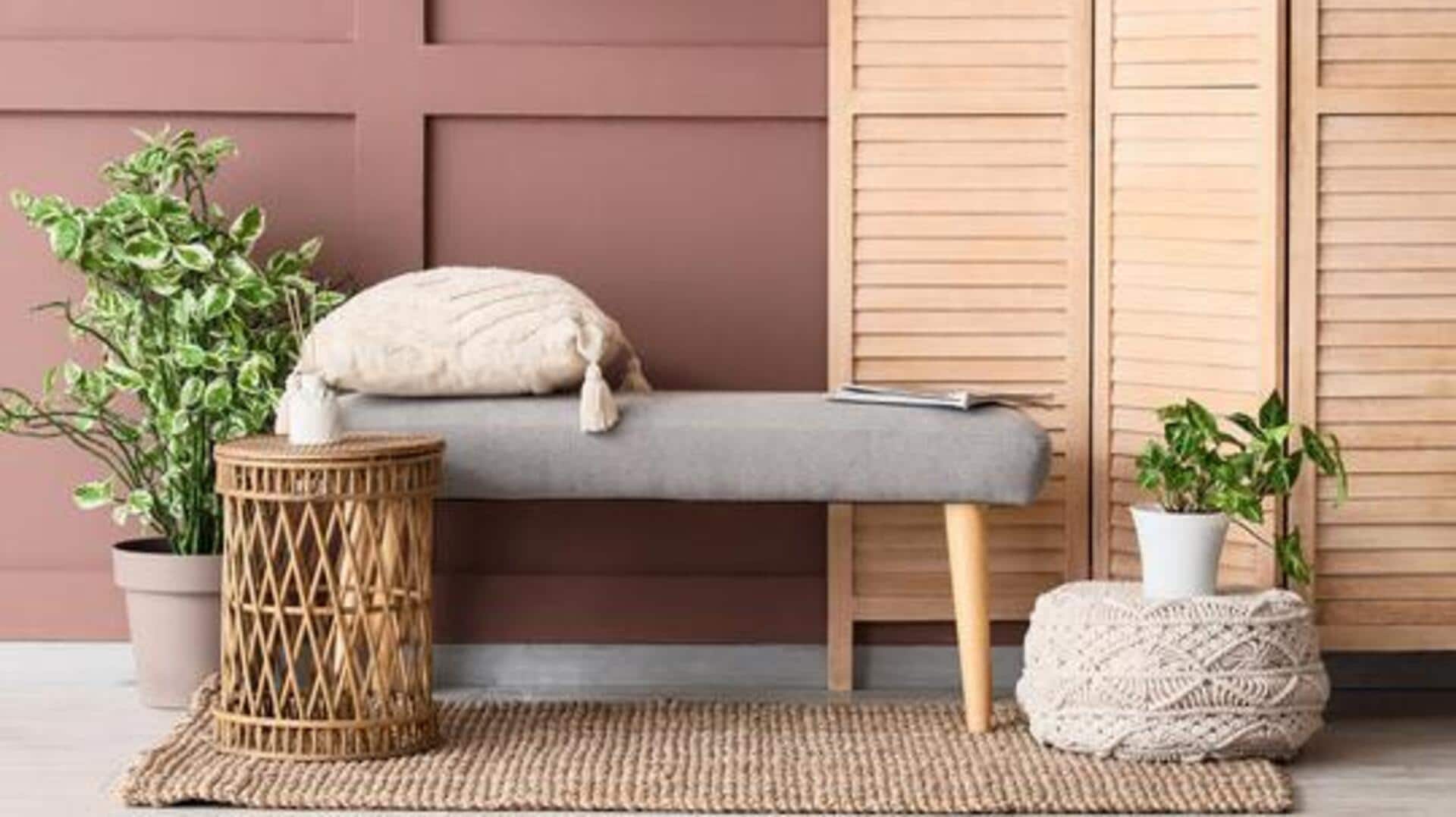
How to make stylish stools at home
What's the story
African kente print poufs (stools) are a great way to add a pop of color and culture to your home. These poufs, made from the iconic kente cloth, are not just functional but also a piece of art. They can be used as seating, footrests, or decorative pieces. With their vibrant patterns and rich history, these poufs make for an eye-catching addition to any room.
Fabric selection
Choosing the right fabric
Selecting the right fabric is key to making African kente print poufs. Kente cloth is known for its bright colors and intricate designs.
When choosing fabric, make sure it is durable and easy to maintain. Cotton blends are usually a good choice as they are both sturdy and comfortable.
Also, check the print's authenticity and quality to ensure it reflects traditional kente artistry.
Design tips
Designing your pouf
Designing your pouf involves deciding on its shape, size, and style.
Round or square shapes are common options. The size should depend on where you want to place it in your home.
Think about adding features like zippers or handles for practicality.
Mixing different kente prints can also make your pouf more unique while still keeping it cohesive with other decor elements.
Assembly guide
Assembling the pouf
Assembling an African kente print pouf requires basic sewing skills or the use of a sewing machine.
Start by cutting out the desired shape from the fabric pieces.
Stitch them together securely, making sure all seams are tight to prevent fraying over time.
Fill the pouf with appropriate stuffing material like foam beads or polyester fiberfill for comfort and support.
Care tips
Maintaining your pouf
Proper maintenance ensures the longevity of your African kente print pouf.
Regularly check for loose threads or seams that need repair before they worsen into bigger problems later on down the line.
Spot clean any stains immediately using mild soap solutions without harsh chemicals that could damage delicate fibers within these fabrics over time with repeated exposure if left unchecked altogether.