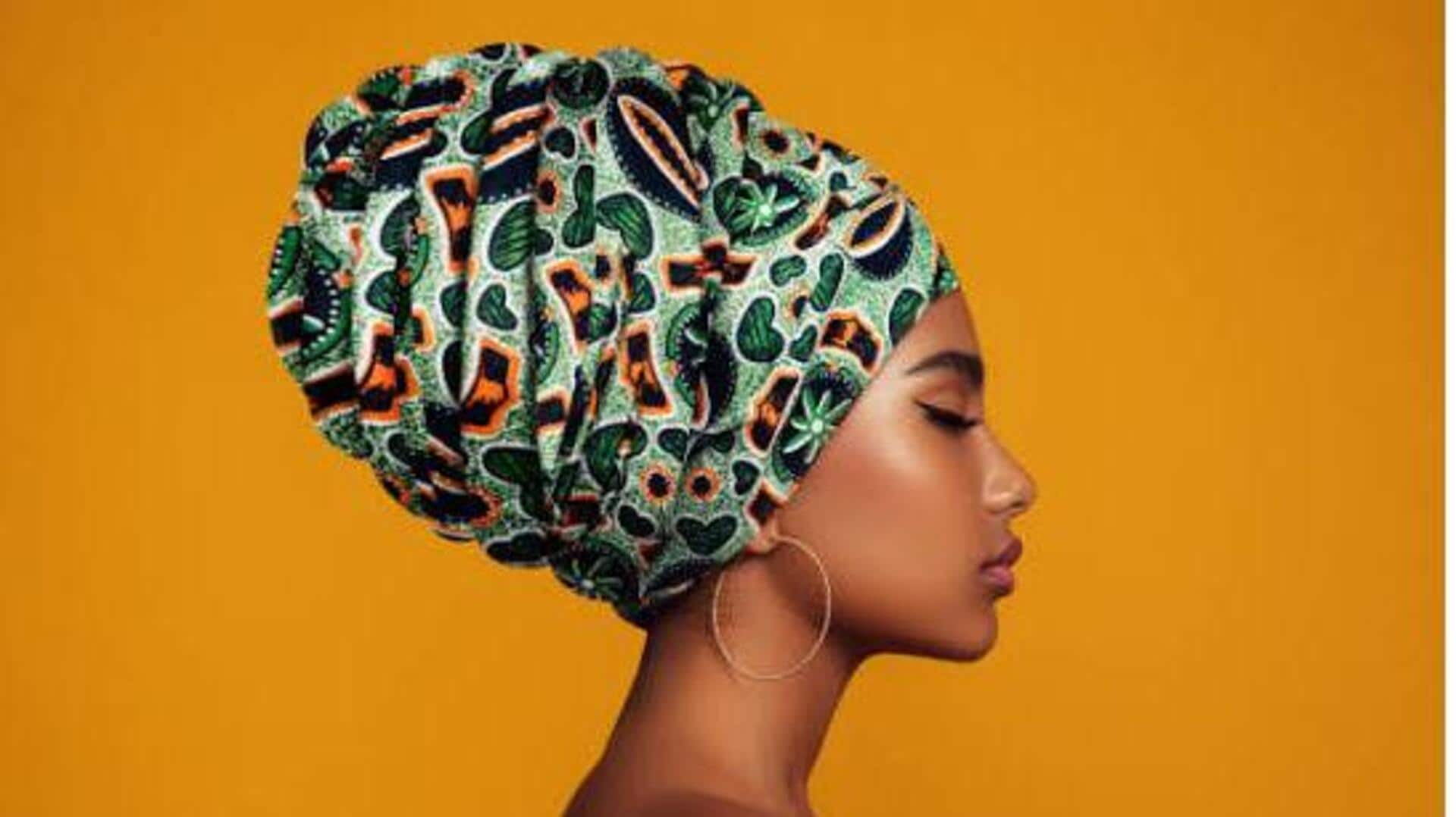
How traditional African headdresses are made
What's the story
African headdresses are an important part of the continent's cultural heritage. These headdresses, which vary from region to region, are a symbol of status, identity, and artistry. Making these headdresses is a meticulous process that requires skill and knowledge of traditional methods. In this article, we explore the techniques and materials used in making authentic African headdresses, giving you a glimpse into this fascinating craft.
#1
Traditional materials used
Traditional African headdresses are made using natural materials like feathers, beads, shells, and plant fibers.
These materials are locally sourced and used for their symbolic value and aesthetic appeal.
Feathers often symbolize freedom or spirituality, and beads can represent wealth or social status.
The use of these materials adds authenticity to the headdresses.
#2
Techniques passed down generations
The techniques used in making African headdresses have been passed down through generations.
Artisans learn their craft from elders in their communities, ensuring that traditional methods are preserved over time.
Techniques include weaving, carving, and beading, each requiring precision and patience to achieve the desired design.
#3
Regional variations in design
Designs of African headdresses vary widely across regions due to cultural differences.
In West Africa, for example, tall conical shapes are common, while East African designs may feature wide-brimmed styles with intricate patterns.
Each region's unique design reflects its history and cultural significance.
#4
Modern influences on traditional crafts
While traditional techniques remain at the core of crafting African headdresses, modern influences have also made their way in.
Some artisans now incorporate contemporary elements like metalwork or fabric, while still honoring traditional aesthetics.
This fusion allows for innovation, without losing cultural identity.