A beginner's guide to bark cloth art
What's the story
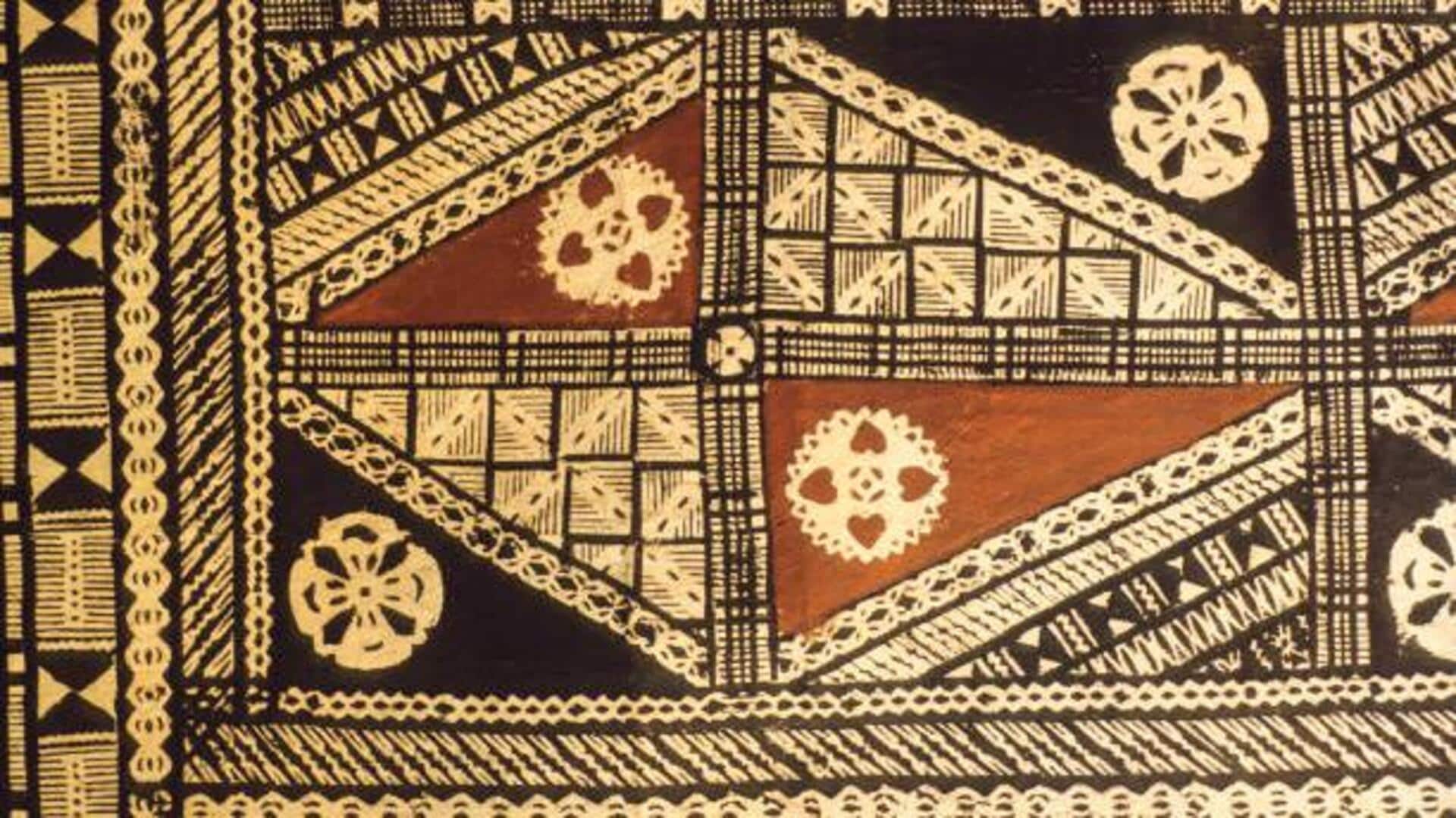
Ugandan bark cloth art is a traditional craft that has been practiced for centuries. The art involves creating pieces from the inner bark of trees, particularly the fig tree. This craft not only showcases the rich cultural heritage of Uganda but also offers a unique way to express creativity. By understanding the basic techniques and materials involved, anyone can try their hand at this fascinating art form.
Materials
Understanding bark cloth materials
The primary material for Ugandan bark cloth art is the inner bark of the fig tree. This bark is harvested carefully to ensure the tree's survival.
Other materials include natural dyes made from plants and other organic substances. These dyes give the cloth its characteristic color and patterns.
Knowing these materials is essential for anyone looking to create authentic bark cloth art.
Techniques
Basic techniques in bark cloth creation
Creating bark cloth art involves several techniques, like stripping, soaking, and beating the bark into thin sheets.
The sheets are then dyed using natural dyes to achieve various colors and patterns.
Each technique requires patience and precision to ensure the final product is both aesthetically pleasing and durable.
Cultural importance
Cultural significance of bark cloth art
Bark cloth art holds immense cultural significance in Uganda.
Traditionally, it was used for clothing, ceremonial purposes, and as a form of currency in trade.
Today, it continues to be an important symbol of Ugandan identity and heritage.
Understanding its cultural context can deepen one's appreciation for this unique craft.
Tips
Tips for beginners in bark cloth art
For beginners interested in trying their hand at bark cloth art, start with small projects using simple designs.
Familiarize yourself with basic techniques before moving on to more complex patterns.
Also, use readily available materials to keep costs low while gaining experience in this traditional craft.