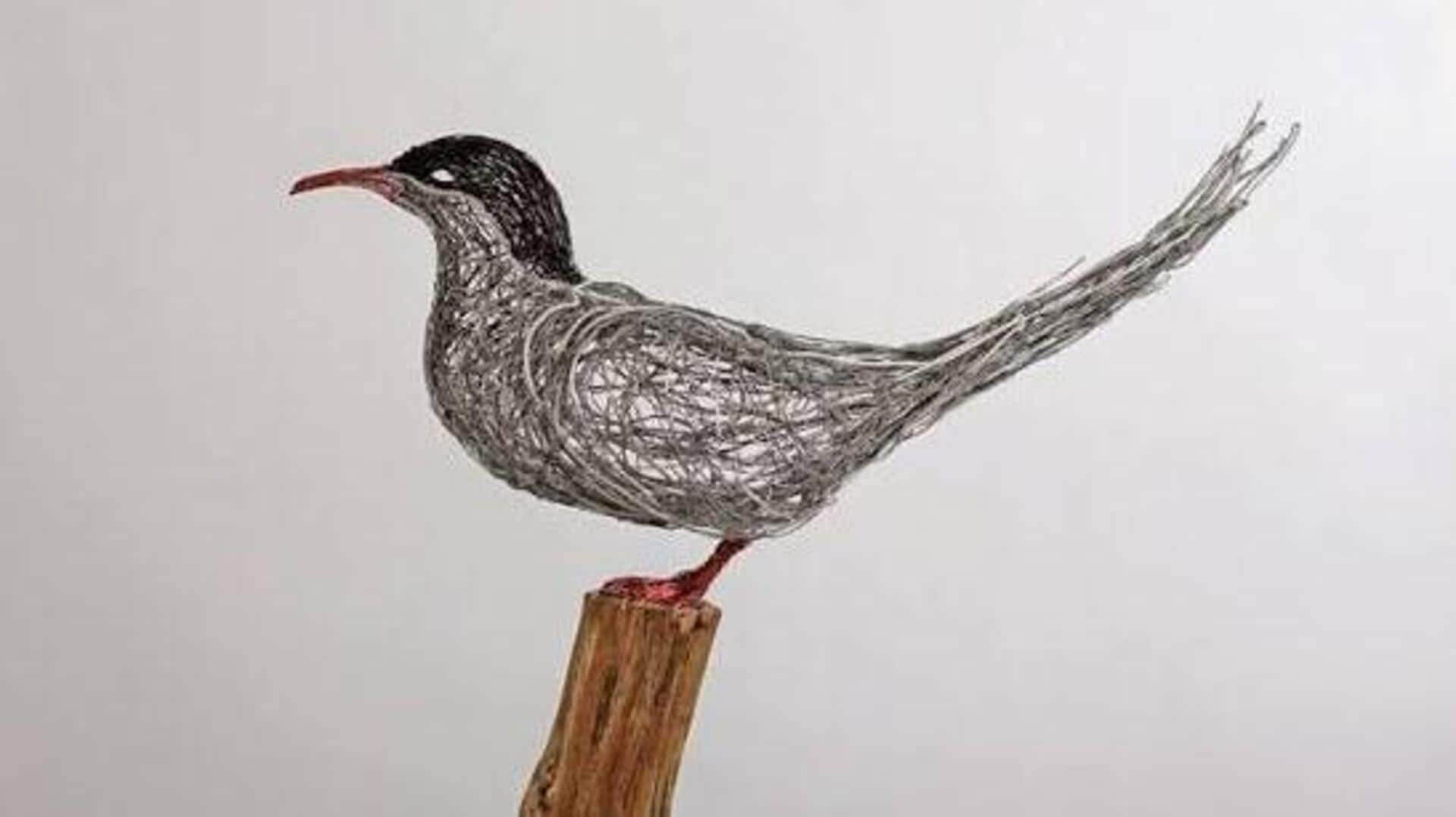
How to make stunning wire art birds
What's the story
African wire art is a beautiful craft that has been passed down generations, showcasing the continent's rich cultural heritage. This art form involves bending and twisting wire into intricate designs, often depicting animals, plants, and everyday life. Making wire art birds is a fun way to get into this tradition. It needs patience, creativity, and a few basic tools. Here are some tips to get started with this fascinating craft.
Tip 1
Choosing the right materials
Selecting appropriate materials is key to successful wire art.
Use aluminum or copper wire, as they are malleable yet strong enough to hold shapes.
These wires are also available in different colors, which can add an extra flair to your creations.
Make sure you have pliers handy for bending and cutting the wire accurately.
Tip 2
Understanding basic techniques
Familiarize yourself with basic techniques like looping, twisting, and coiling. These are the foundation of creating detailed designs.
Start with simple shapes before progressing to more complex structures.
Practice these techniques regularly to improve your skill level over time.
Tip 3
Designing your bird sculpture
Before you start crafting, sketch out your design on paper. This gives you a clear idea of the shape and size of your bird sculpture.
Think about the different elements, like wings, beak, and tail feathers, that you want to include in your design.
A well-planned design makes the crafting process smoother and helps you visualize the final product better.
Tip 4
Assembling your sculpture
Start by creating individual parts of the bird, such as the head, body, wings, and tail, separately before assembling them together using additional pieces of wire.
Secure each part firmly, but avoid over-tightening as it may cause breakage or distortion in shape.
Tip 5
Adding finishing touches
Once assembled, add finishing touches, like painting or adding beads for embellishment, if desired.
These can enhance the visual appeal without compromising structural integrity.
This is achieved through careful application techniques, ensuring longevity and durability of the artwork itself.