Things to know before buying rock salt
What's the story
African rock salt, a popular ingredient in many cuisines, is often sought after for its unique flavor and mineral content. However, distinguishing authentic rock salt from imitations can be challenging. Knowing the characteristics and sourcing methods of genuine African rock salt can help consumers make informed choices. Here are some practical tips to identify authentic African rock salt, ensuring quality and authenticity in your culinary endeavors.
#1
Check the color and texture
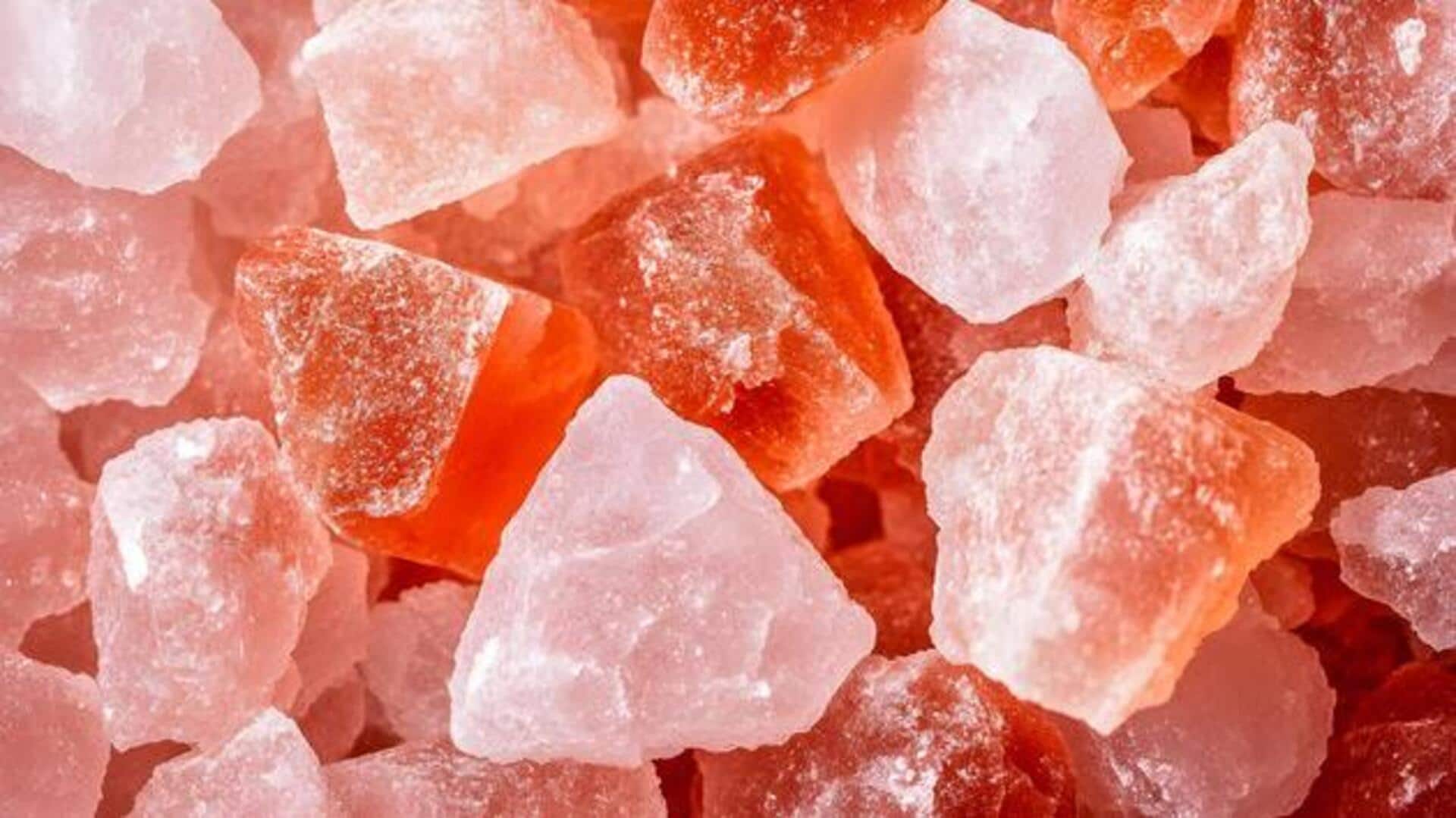
Authentic African rock salt usually has a coarse texture with a natural gray or pink hue. The color comes from the minerals present in the salt. If the salt looks too white or finely ground, it may be processed or mixed with other ingredients. Genuine rock salt should feel rough when touched, not smooth like table salt.
#2
Look for impurities
Real African rock salt may have some impurities or small particles of other minerals mixed in. These impurities are a sign of natural formation and processing methods used to extract the salt. If the product is too pure or refined, it may not be genuine. A little bit of dirt or mineral residue is normal and indicates authenticity.
#3
Verify sourcing information
Check packaging for sourcing details. Authentic African rock salt should mention where it is sourced from, like the Himalayas or other known regions. Reliable brands usually provide this information clearly on their packaging. If sourcing details are vague or missing, it could be a sign that the product is not genuine.
#4
Assess packaging quality
The packaging of African rock salt can also give clues about its authenticity. Reliable brands usually package their products in sturdy containers that protect them from moisture and contamination. If the packaging looks cheap or damaged, it may indicate lower quality or even counterfeit products.