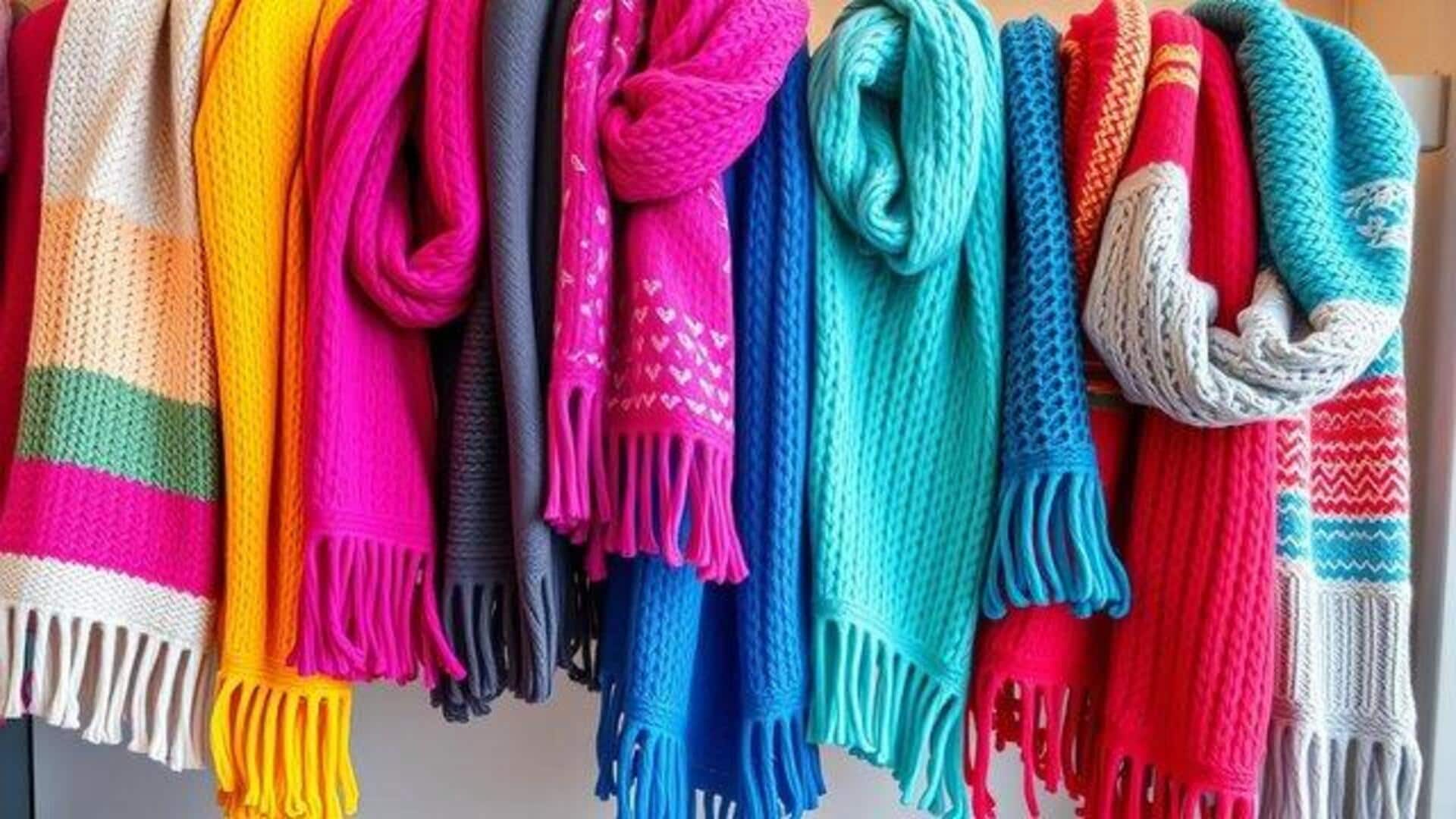
Embrace sustainable fashion with eco-friendly scarves
What's the story
African scarves are a beautiful and versatile accessory that can be ethically styled this winter. These scarves not only add warmth but also bring a touch of cultural heritage to your wardrobe. By choosing ethical options, you support sustainable fashion practices and artisans from Africa. Here are some practical tips on how to style these scarves in an ethical manner, keeping your look both chic and environmentally conscious.
Fabric selection
Choose sustainable fabrics
When selecting African scarves, opt for those made from sustainable fabrics like organic cotton or bamboo.
These materials are not only eco-friendly but also comfortable to wear during the colder months.
They require less water and fewer chemicals in production, making them a great choice for environmentally conscious consumers.
Supporting brands that prioritize sustainability helps promote ethical fashion practices.
Artisan support
Support fair trade artisans
Buying from fair trade artisans ensures that the makers of your scarf are paid fairly for their work.
This supports communities in Africa by providing fair wages and safe working conditions.
Look for brands that are certified by fair trade organizations to ensure your purchase contributes positively to the lives of artisans.
Styling tips
Versatile styling techniques
African scarves are extremely versatile, which is why they can be styled in so many different ways.
You can wrap them around your neck for extra warmth, or wear them as a head wrap for a fashionable look.
You can also tie them around your waist as a belt, or use them as an accessory on bags to amp up your outfit.
Care tips
Care instructions for longevity
To make sure your African scarf lasts long, wash it gently by hand or in cold water on a delicate cycle.
Avoid harsh detergents and direct sunlight while drying, as it may fade the colors over time.
Proper care will keep the scarf vibrant and wearable for many winters to come.