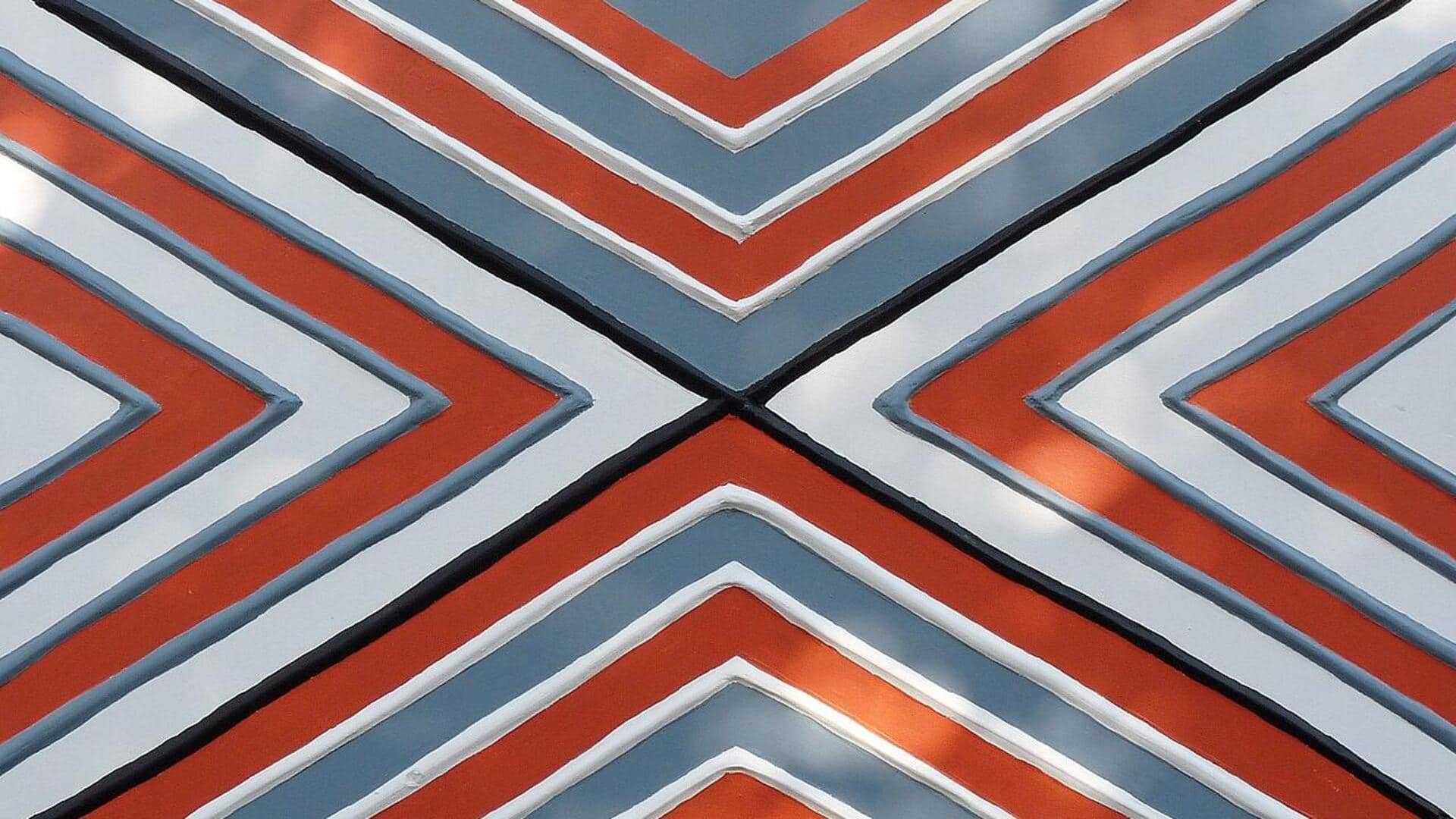
Imigongo: An iconic art form from Rwanda
What's the story
Imigongo art, a traditional Rwandan craft, is taking the world by storm for its unique patterns and vibrant colors. This art form, which originated from the Eastern Province of Rwanda, is characterized by geometric designs made with natural pigments. As more people look for unique ways to style their spaces, imigongo art offers an interesting option that marries cultural heritage with modern aesthetics. Here is how you can use this art to style your space.
Tip 1
Incorporating imigongo in home decor
Imigongo art can be used in home decor by adding pieces as wall hangings or framed artwork. The bold patterns and colors of imigongo can easily become focal points in any room. By placing these pieces strategically, you can add depth and interest to your living space. Mixing traditional imigongo with contemporary furniture creates a harmonious blend of old and new.
Tip 2
Using imigongo patterns in textiles
The distinctive patterns of imigongo can also be translated into textiles such as cushions, curtains, and rugs. These items can add subtle touches of this art form throughout your home without overwhelming the space. Using imigongo designs in textiles allows for easy integration into existing decor while still making a statement.
Tip 3
Creating an accent wall with imigongo art
An accent wall featuring imigongo art can dramatically change the look of a room. By painting or applying wallpaper with these traditional designs, you can create an eye-catching feature that draws attention and adds character to your space. This approach works well in living rooms, bedrooms, or even home offices, where creativity is encouraged.
Tip 4
Blending imigongo with modern design elements
To blend imigongo art with modern design elements, try pairing it with sleek furniture and minimalist accessories. The contrast between the intricate patterns of imigongo, simple modern pieces, and creates a balanced aesthetic that works well in contemporary homes. This way, you can enjoy the beauty of traditional Rwandan craftsmanship without compromising on modern design sensibilities.