Immunity-boosting foods: 5 myths debunked
What's the story
We all believe certain foods can magically boost our immunity, but that's not entirely true. While a balanced diet is important for health, not all foods have the immunity-boosting properties we think they do. Knowing the truth behind these claims can help you make better dietary choices. Here are five common myths about immunity-boosting foods, and what actually works for your immune system.
Myth 1
Citrus fruits are all you need
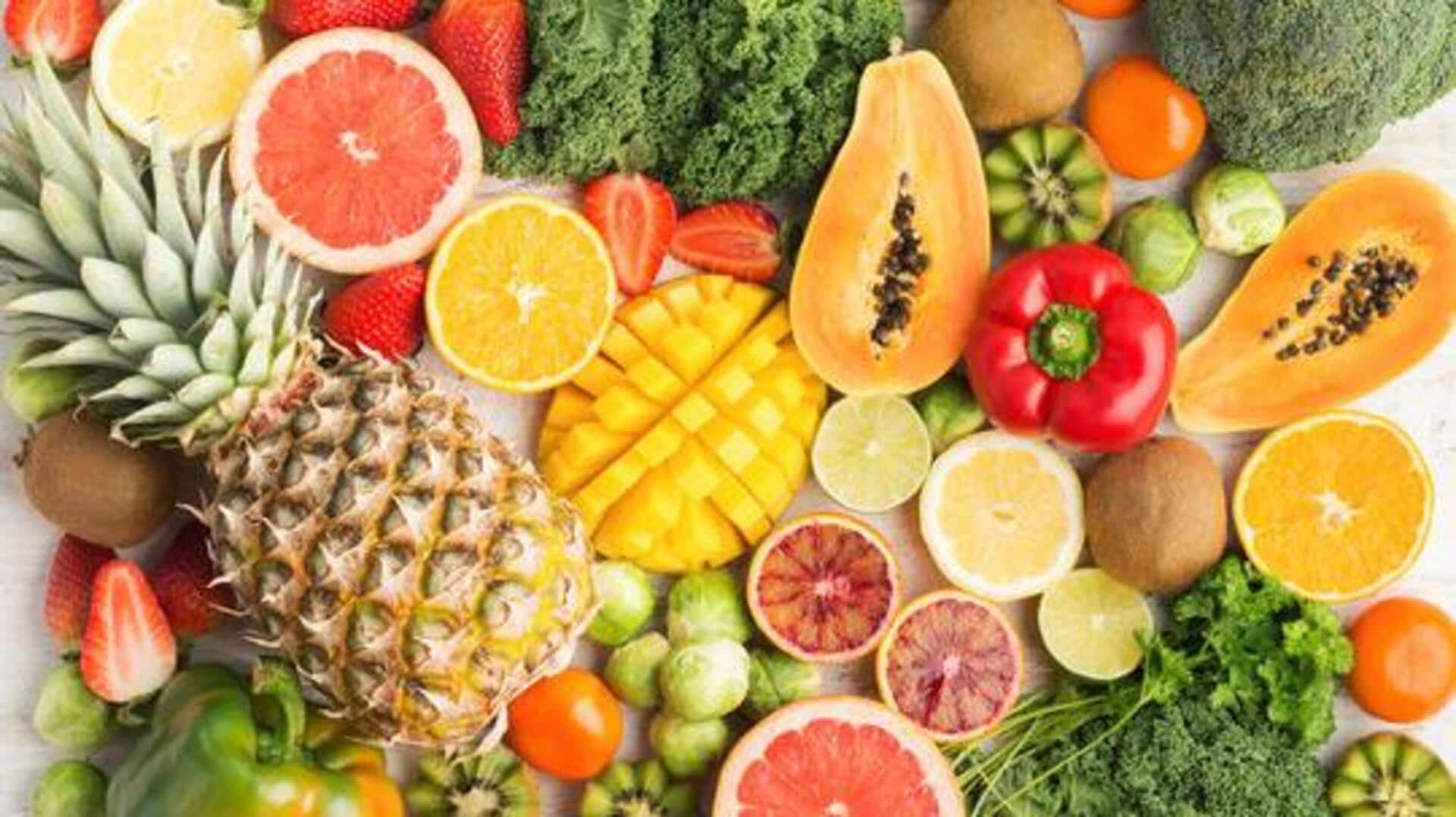
Citrus fruits are often touted as the go-to option for boosting immunity, thanks to their high vitamin C content. While vitamin C is essential for immune function, it doesn't drastically increase your immunity. The body only needs a certain amount of vitamin C, and excess intake doesn't provide extra benefits. A varied diet with different nutrients is more effective than relying solely on citrus fruits.
Myth 2
Garlic guarantees immunity
Garlic is widely believed to be a miracle food that guarantees immunity against all ailments. Though garlic has compounds that may support immune health, it is not a cure-all or a guaranteed shield against infections. Its benefits are best seen when consumed as part of a balanced diet with other nutrient-rich foods, rather than as a standalone solution.
Myth 3
Spicy foods can fight infections
Spicy foods are often believed to fight infections and boost immunity by increasing body temperature or sweating. However, there is no scientific evidence supporting this claim directly related to immune enhancement. While spicy foods can offer some health benefits, they shouldn't be relied upon solely for improving immune function.
Myth 4
Superfoods provide instant immunity boost
The term "superfood" is often used to describe foods that provide an instant immunity boost, but that's misleading. Superfoods usually have high nutrient density but don't provide magical effects on immune systems. A balanced intake of various nutrients from different sources is more beneficial than focusing on so-called superfoods alone.
Myth 5
Supplements are better than whole foods
There's a common misconception that supplements are more effective than whole foods in boosting immunity. While supplements can help fill nutritional gaps, they don't offer the same benefits as whole foods, which contain a complex mix of vitamins, minerals, and antioxidants working synergistically in the body. Whole foods should be prioritized over supplements whenever possible for optimal health benefits.