5 plant combinations to avoid in indoor gardening
What's the story
Indoor gardening can be a rewarding hobby, but it requires some knowledge to keep plants healthy. One of the most important aspects of indoor gardening is knowing which plant groups should not be kept together. Some plants can negatively affect the growth and health of others when kept in close proximity. Here are five plant groups that should be kept apart for healthy indoor gardening.
Tip 1
Succulents and ferns
Succulents love dry conditions and don't need much water, while ferns thrive in humidity and need more moisture. Keeping them together can cause stress to both the plants. The high humidity required by ferns can rot succulent roots, while the dry conditions preferred by succulents may leave ferns parched. Keeping them apart ensures both get the right conditions.
Tip 2
Cacti and tropical plants
Cacti are used to arid environments with lots of sunlight, while tropical plants need indirect light and higher humidity levels. Keeping these two together can affect their growth adversely. The direct sunlight required by cacti may scorch tropical leaves, while the increased humidity required by tropical plants may not suit cacti.
Tip 3
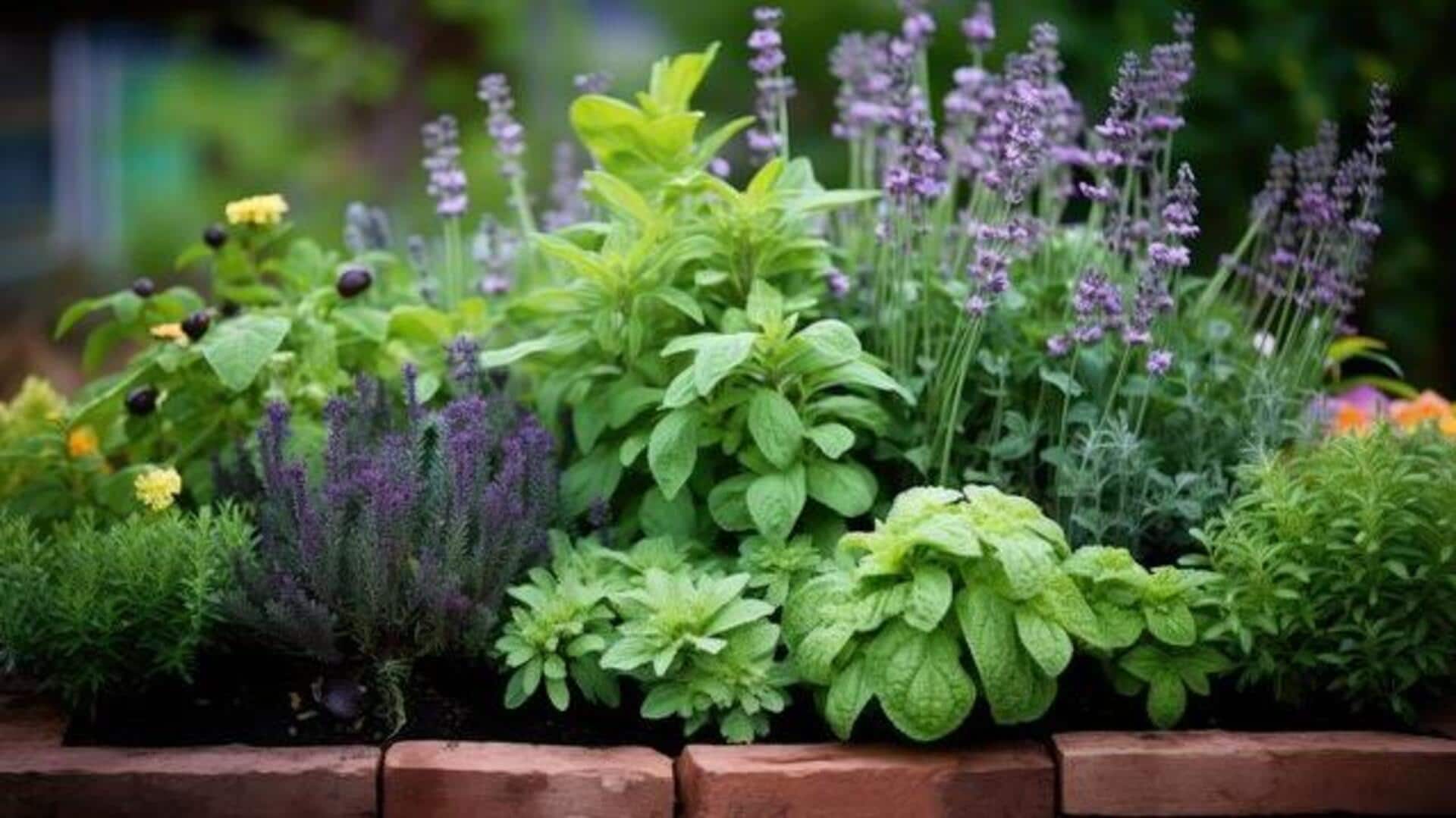
Herbs and flowering plants
Herbs such as basil or mint release oils that may affect the growth of flowering plants when kept in close proximity. These oils can inhibit flowering or change the taste of herbs if they mix with pollen from nearby flowers. Keeping herbs and flowering plants apart ensures that both can flourish without any interference from the other.
Tip 4
Leafy greens and root vegetables
Leafy greens such as spinach or lettuce require different soil nutrients than root vegetables like carrots or radishes. Growing them together could lead to nutrient competition, resulting in stunted growth or poor yields for either group. Separating these two types of plants allows for tailored soil amendments suited to each group's needs.
Tip 5
Fruit-bearing plants with non-fruit-bearing ones
Fruit-bearing plants often attract pests that may harm non-fruit-bearing ones nearby. For example, aphids attracted by flowering fruits might infest nearby foliage, causing damage over time if not managed properly. Keeping fruit-bearing species separate reduces pest transfer risks between different types of vegetation within an indoor garden setup.