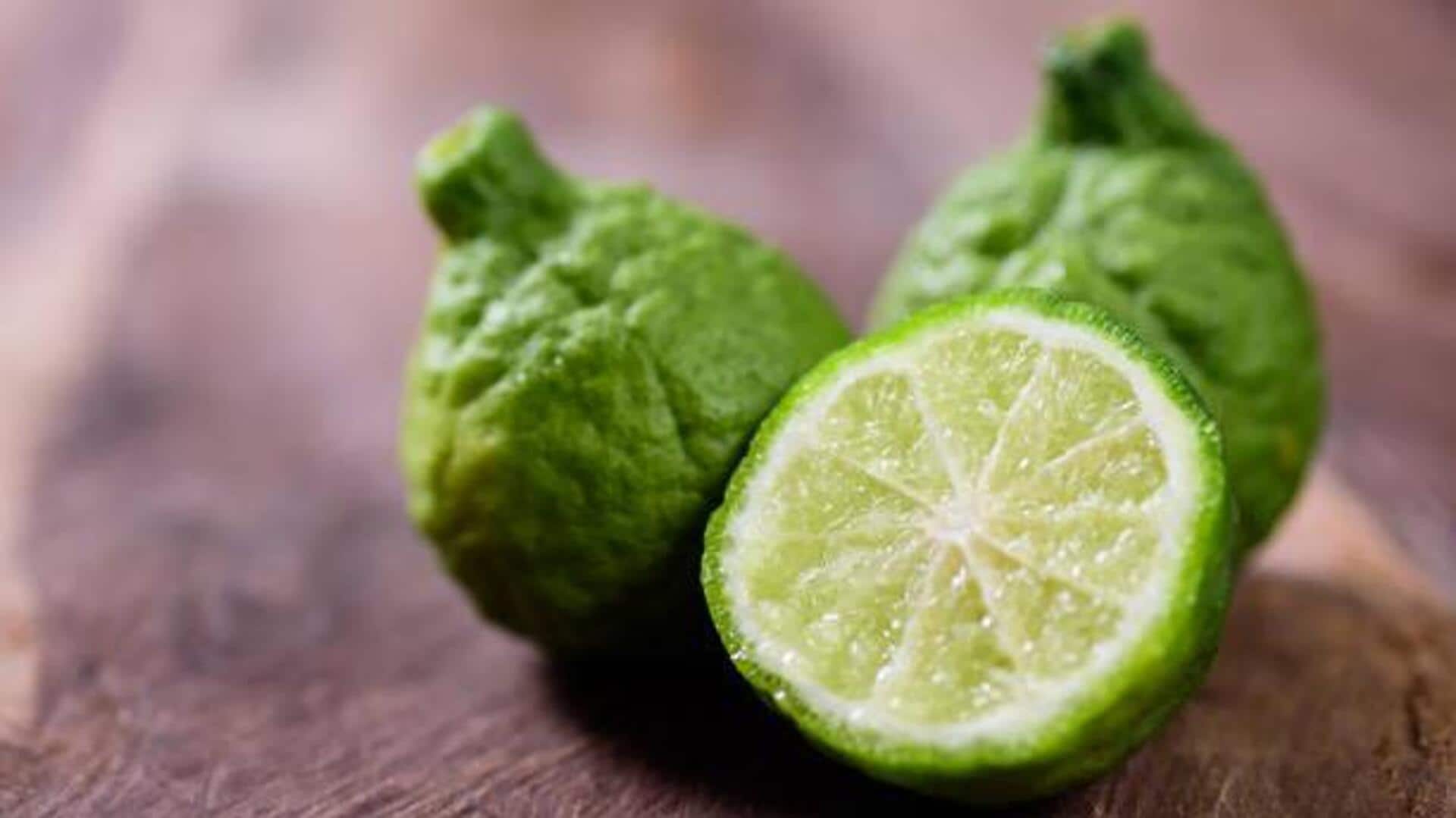
How to grow kaffir lime at home
What's the story
Growing kaffir lime leaves indoors can be a rewarding experience, giving you fresh leaves for culinary and aromatic purposes. The plant is known for its fragrant foliage and unique leaves, which can be used in various dishes. With the right conditions and care, you can successfully grow this tropical plant indoors. Here are some practical tips to help you cultivate kaffir lime leaves in your home environment.
Container selection
Choosing the right container
Selecting an appropriate container is critical for the growth of your kaffir lime plant.
Choose a pot that is at least 12 inches in diameter, with drainage holes to prevent waterlogging.
A well-draining soil mix is essential; consider using a combination of potting soil, sand, and perlite to improve drainage.
This will ensure that the roots have enough space to grow and access nutrients efficiently.
Light requirements
Providing adequate light
Kaffir lime plants need a lot of sunlight to flourish indoors.
Place your plant near a south-facing window where it can get six to eight hours of direct sunlight every day.
If natural light isn't enough, you can also use grow lights to meet the plant's requirements.
Position the lights about 12 inches above the plant, and keep them on for 12 hours every day.
Humidity control
Maintaining optimal humidity levels
Since kaffir lime plants are native to tropical climates, they thrive in humid conditions.
To maintain optimal humidity levels indoors, consider placing a humidifier near the plant or regularly misting its leaves with water.
Alternatively, you can place the pot on a tray filled with pebbles and water, without letting the bottom of the pot touch the water directly.
Care tips
Watering and fertilizing properly
Proper watering and fertilizing are key to keeping your kaffir lime plant healthy.
Water when the top inch of soil feels dry, but avoid overwatering, as it can cause root rot.
Fertilize every four weeks during the growing season with a balanced liquid fertilizer diluted to half strength for best results.