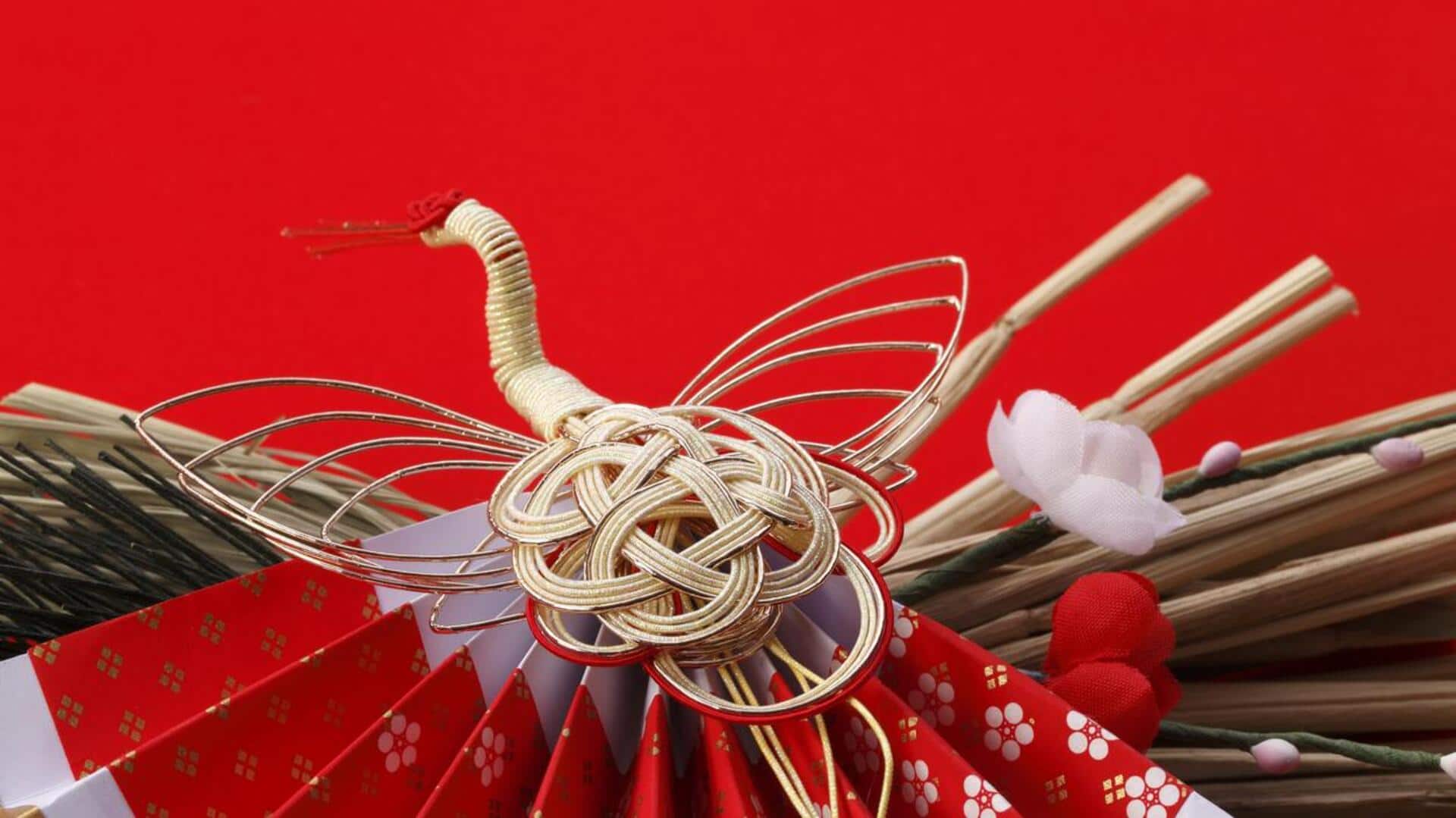
Mizuhiki knots: Decoding these secret symbols of Japanese weddings
What's the story
Mizuhiki wedding knots are a traditional Japanese art that symbolizes the unbreakable bond between two people. The intricate designs, made from twisted paper cords, are used in various ceremonies and gifts to represent love, loyalty, and harmony. Each knot has its own meaning and significance, making them an important part of Japanese wedding customs. Understanding these knots can give you insight into cultural practices and the deep symbolism behind them.
#1
The art of mizuhiki
Mizuhiki is the art of creating decorative knots using washi paper. The process involves twisting, folding, and tying the paper into various shapes.
This art dates back centuries and is still practiced today for its aesthetic appeal and cultural significance.
In weddings, mizuhiki knots are often used on envelopes or as part of decorations to convey best wishes to the couple.
#2
Symbolism behind each knot
Each mizuhiki knot has a unique meaning associated with it.
For instance, a butterfly knot symbolizes joy and happiness in marriage, while a knot resembling a cherry blossom represents beauty and transience.
Understanding these symbols can help couples choose the right design that resonates with their values and aspirations for their marriage.
#3
Incorporating Mizuhiki in modern weddings
Incorporating mizuhiki into modern weddings can add a touch of tradition while still being contemporary.
Couples can use these knots in invitations or as part of table settings at their reception.
Not only does this bring an element of cultural heritage into the celebration, but it also serves as a conversation starter for guests who may be unfamiliar with this beautiful art form.
Tip 1
Learning Mizuhiki techniques
For those interested in learning how to create mizuhiki knots themselves, there are plenty of resources available online.
Tutorials provide step-by-step guidance on how to master different designs using simple materials like washi paper or string.
Practicing these techniques at home allows individuals to appreciate this traditional craft while adding personal touches to their wedding preparations.