Why you should know about jute mallow
What's the story
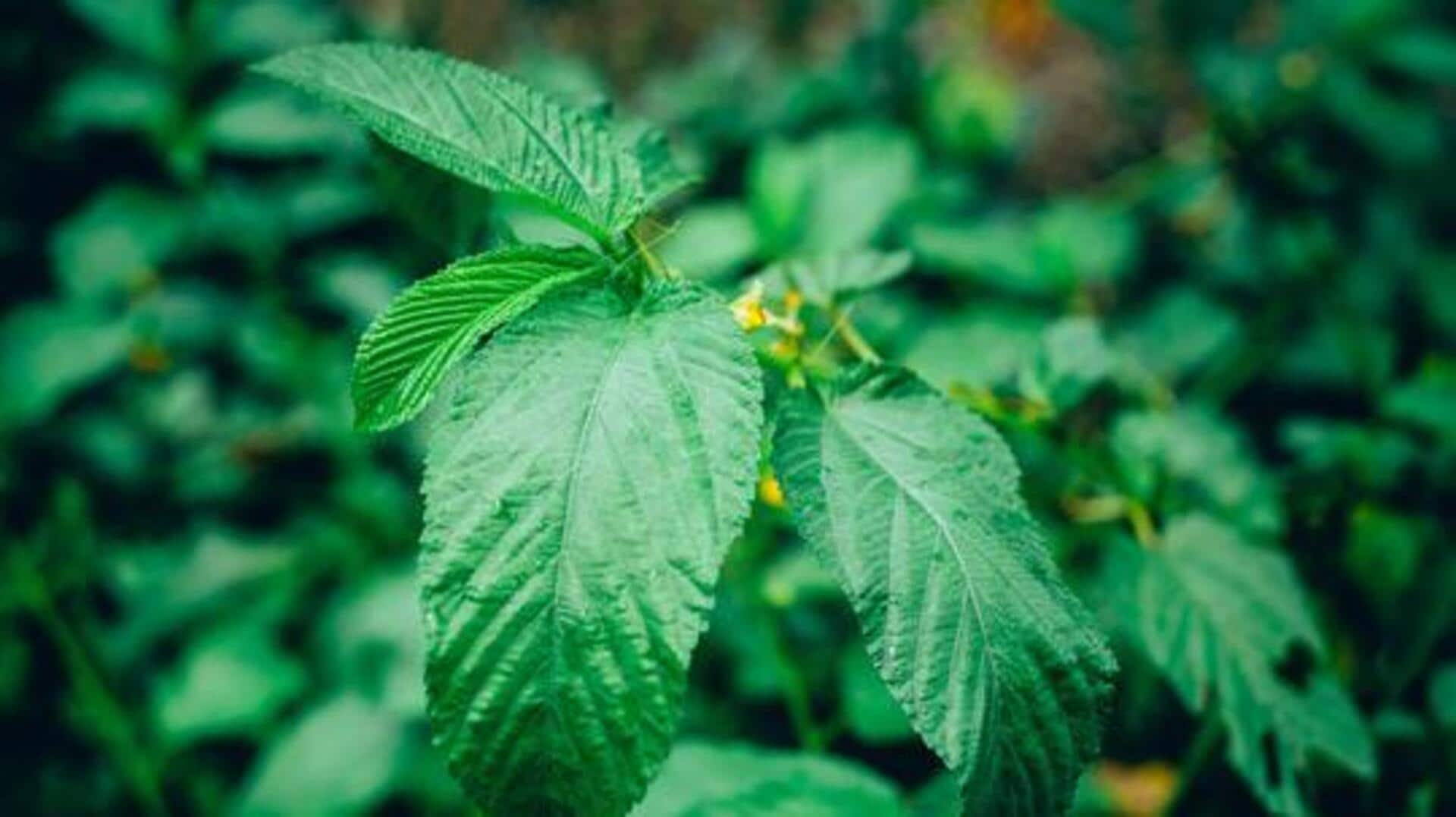
Jute mallow, a leafy green vegetable, is making a comeback in Africa as a sustainable food source. Traditionally consumed in several African regions, it is now gaining attention for its nutritional benefits and environmental sustainability. The plant's ability to grow in diverse conditions makes it an ideal crop for smallholder farmers. With rising interest in sustainable agriculture, jute mallow offers a promising solution to food security challenges across the continent.
#1
Nutritional benefits of jute mallow
Jute mallow is loaded with vitamins and minerals essential for good health. It is an excellent source of vitamin A, vitamin C, calcium, and iron. These nutrients help boost immunity, strengthen bones, and improve overall health. Eating jute mallow on a regular basis can help meet daily nutritional requirements without having to depend on expensive supplements.
#2
Cultivation advantages
One of the biggest advantages of growing jute mallow is its resilience to harsh weather conditions. The plant can withstand drought and poor soil quality, making it ideal for regions prone to climate change. This resilience ensures that farmers can still harvest crops even during adverse weather conditions, contributing to consistent food production.
#3
Economic potential for farmers
Growing jute mallow also opens up new avenues for income generation for farmers. Since the demand for organic and locally sourced produce is on the rise, selling jute mallow at local markets can be profitable. Further, the low cost of cultivation means higher profit margins compared to other crops that require more resources.
#4
Promoting biodiversity and sustainability
Integrating jute mallow into farming systems promotes biodiversity by diversifying crop production. It also supports sustainable practices by reducing reliance on chemical fertilizers and pesticides due to its natural resilience against pests and diseases. By promoting such crops, communities can contribute toward preserving ecosystems while ensuring food security.