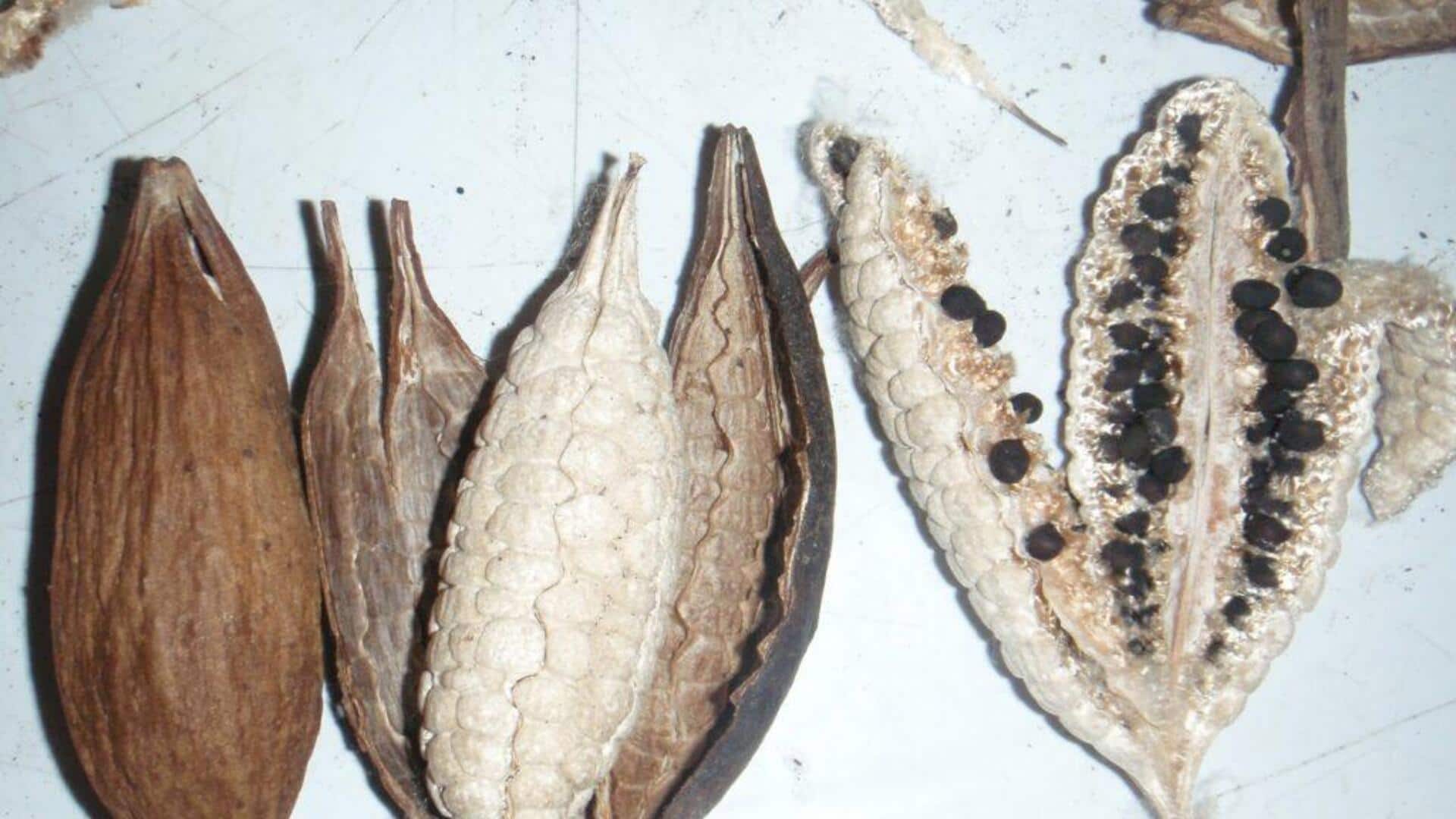
Kapok seeds: The superfood you probably didn't know about
What's the story
Kapok seeds, which are derived from the ceiba tree, are becoming increasingly popular as a nutritious plant-based protein source. These seeds are packed with essential nutrients and offer a sustainable alternative to conventional protein sources. As more people look for plant-based options, kapok seeds provide an interesting option to include in diets. Here's a look at the nutritional benefits and uses of kapok seeds.
Nutrients
Nutritional profile of kapok seeds
Kapok seeds are loaded with essential nutrients such as protein, fiber, and healthy fats.
They also contain vitamins like vitamin E and minerals such as magnesium and potassium.
The high protein content makes them an excellent choice for anyone looking to boost their plant-based protein intake.
The fiber content also helps with digestion and keeps you healthy.
Benefits
Health benefits of kapok seeds
Eating kapok seeds can offer several health benefits owing to their rich nutrient profile.
They may help in reducing inflammation because of the presence of antioxidants.
The healthy fats in these seeds promote heart health by cutting down bad cholesterol levels.
Further, the magnesium content can help with muscle function and bone health.
Usage tips
How to incorporate kapok seeds into your diet
Kapok seeds can be added to your diet in several ways.
You can roast them for a crunchy snack or blend them into smoothies for an extra nutrient boost.
They can also be sprinkled on salads or added to baked goods for added texture and nutrition.
Experimenting with different recipes can help you find creative ways to enjoy this versatile seed.
Sustainability
Environmental impact of kapok seed cultivation
Growing kapok trees has a lesser environmental impact than other crops, making it a sustainable choice.
These trees need less water and can grow in poor soil, which makes them suitable for areas where other crops may not flourish.
By adding kapok seed cultivation into agricultural practices, farmers can diversify their income while promoting environmental sustainability.