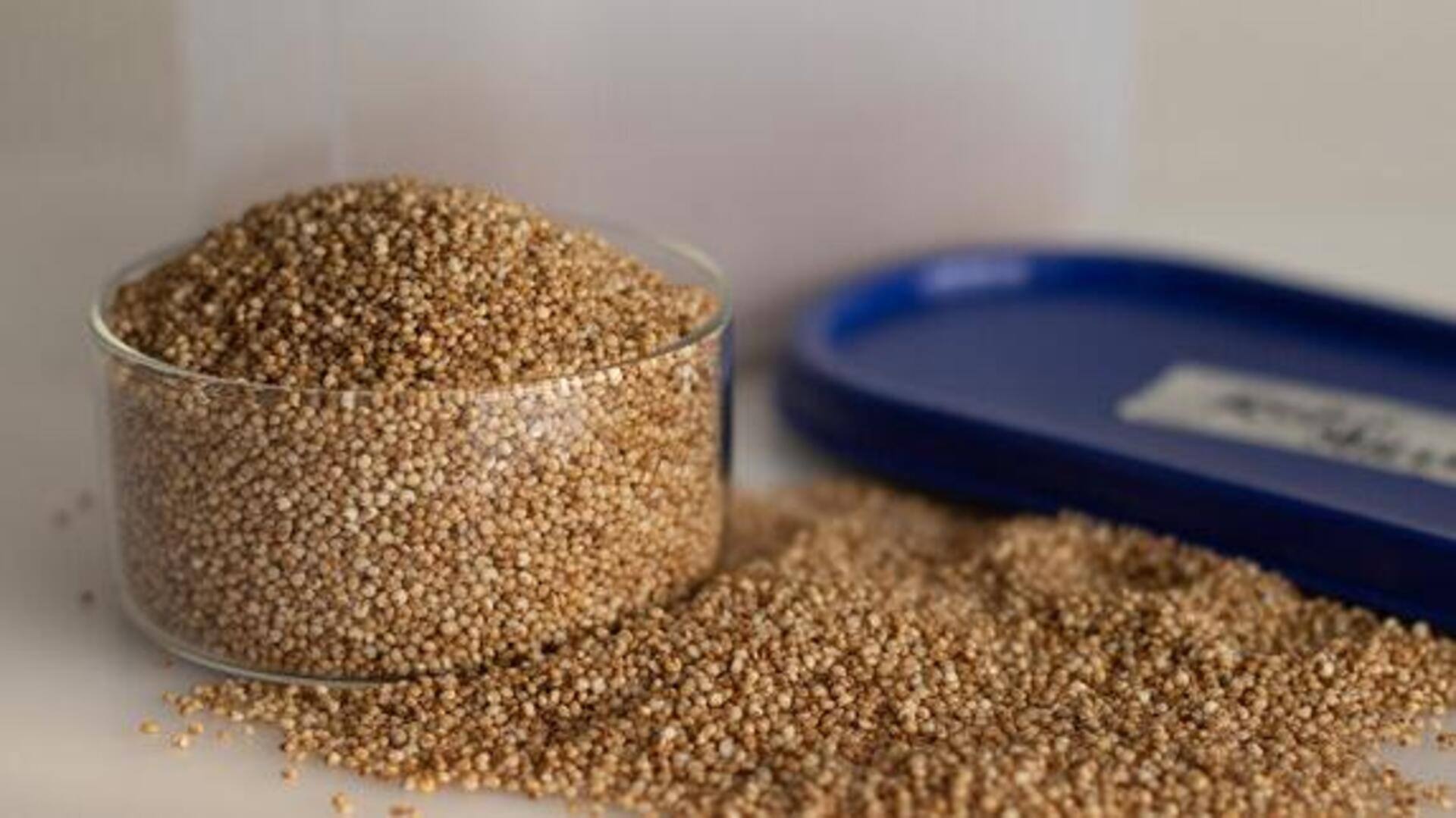
Why kodo millet deserves a spot in your healthy meals
What's the story
Kodo millet, a resilient grain, is gaining popularity as a sustainable cooking staple. With its low environmental impact and high nutritional value, kodo millet makes for an excellent choice for eco-conscious cooks. This article delves into the benefits of kodo millet and how it can be easily incorporated into daily meals, making it a must-have for those looking to make their diet more sustainable.
#1
Nutritional benefits of kodo millet
Kodo millet is packed with essential nutrients such as fiber, protein, and vitamins.
It is low in glycemic index, which makes it an ideal choice for those managing blood sugar levels.
The high fiber content helps in digestion and keeps you full, making it an ideal option for weight management.
Further, kodo millet is rich in antioxidants, which help in fighting oxidative stress.
#2
Environmental impact of Kodo millet cultivation
Kodo millet is also a drought-resistant crop that requires very little water to grow compared to other grains. This makes it an ideal choice for regions prone to water scarcity.
The cultivation of kodo millet also helps in maintaining soil health as it requires fewer chemical fertilizers and pesticides.
By choosing kodo millet, you contribute to sustainable agriculture practices that protect natural resources.
#3
Versatile cooking applications
Kodo millet's versatility makes it suitable for a variety of dishes.
It can be used as a substitute for rice or wheat in salads, pilafs, or even desserts.
Its mild flavor allows it to absorb spices well, making it perfect for curries or stews.
By experimenting with different recipes, you can easily incorporate kodo millet into your weekly meal plan without compromising on taste.
Tip 1
Tips for storing and preparing kodo millet
To keep kodo millet fresh, store it in an airtight container in a cool, dry place.
Before cooking, rinse it well under running water to remove any impurities or dust particles.
Soaking the grains for a few hours before cooking can reduce the cooking time and improve the texture.
These simple steps ensure that you get the best out of this nutritious grain every time you cook with it.