How 3D technology is reinventing traditional textiles
What's the story
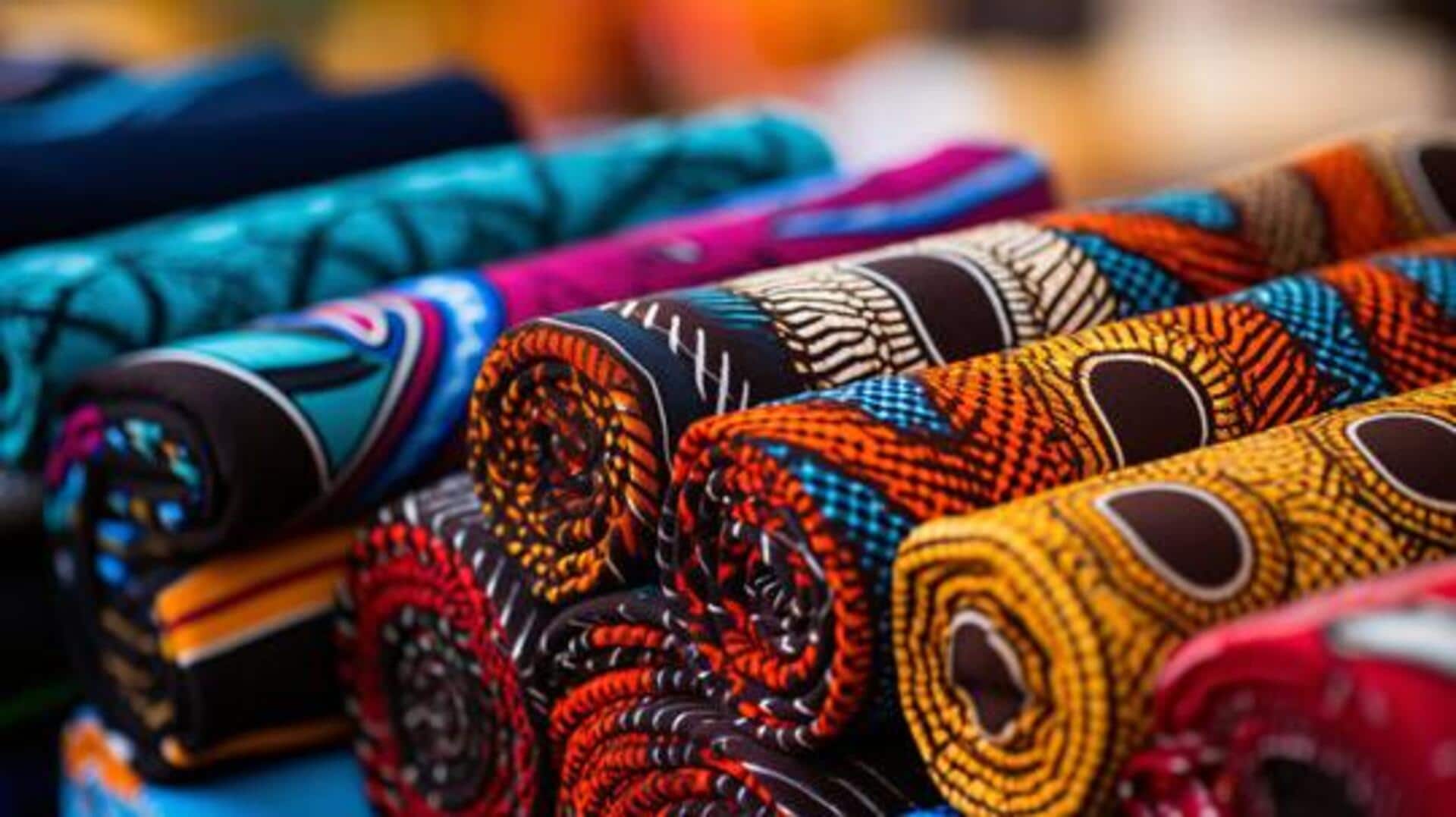
Kuba cloth, a traditional textile from Africa, is now being reimagined with the help of 3D textile technology. This fusion of cultural heritage and modern innovation opens up new possibilities for the design and functionality of textiles. By integrating three-dimensional structures into fabric design, designers can create unique patterns and textures that enhance the aesthetic appeal and usability of Kuba cloth. Here is how this ancient art form is evolving with contemporary techniques.
#1
Enhanced texture and patterns
3D textile technology allows designers to experiment with intricate textures and patterns that were difficult to achieve with traditional methods. The result is a visually striking fabric that retains the essence of Kuba cloth while adding depth and dimension. This innovation not only preserves cultural significance but also appeals to modern consumers looking for unique textile options.
#2
Sustainable production methods
The use of 3D technology in textile production also promotes sustainability. Unlike traditional methods, which may require more resources or produce more waste, 3D printing can be more efficient and precise. This reduces material consumption and environmental impact, making it an attractive option for eco-conscious designers and consumers alike.
#3
Versatile applications in fashion
Kuba cloth reimagined with 3D technology has versatile applications in fashion design. From clothing to accessories, this innovative textile can be used to create a range of products that cater to different styles and preferences. The adaptability of this fabric makes it appealing to designers looking to push boundaries while honoring traditional craftsmanship.
#4
Economic opportunities for artisans
Integrating 3D textile technology with Kuba cloth also opens up new economic opportunities for artisans in Africa. By adopting modern techniques, artisans can access global markets and attract a wider audience interested in unique, culturally significant products. This fusion of tradition and innovation not only preserves cultural heritage but also supports economic growth within communities that produce these textiles.