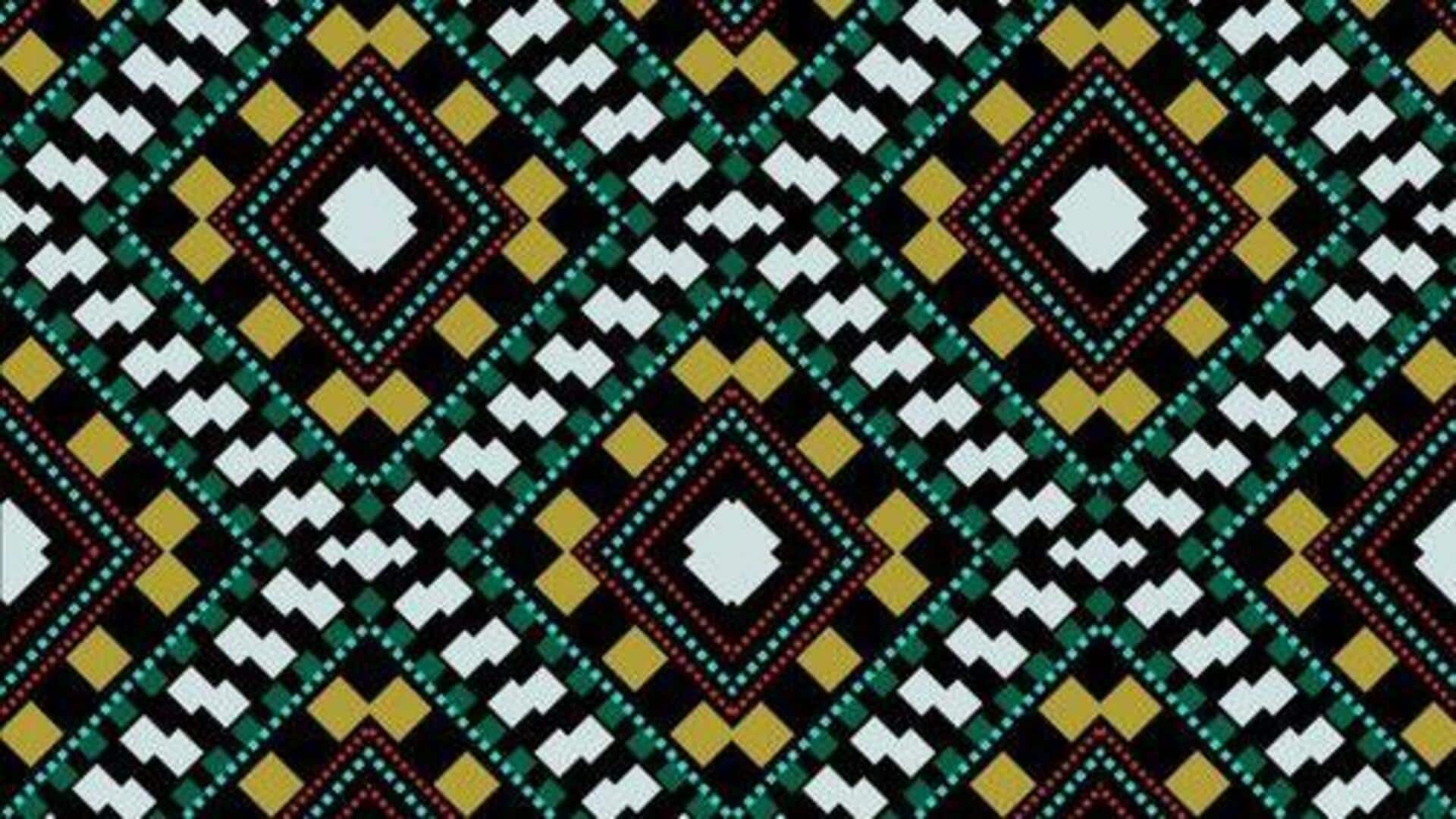
Learn how to create Xhosa textile patterns
What's the story
Xhosa textile patterns are an integral part of South Africa's cultural heritage. These vibrant designs, often seen in traditional clothing, tell stories and represent social status and identity. Learning to create these patterns can be a rewarding experience for anyone interested in art and culture. This article provides insights into the techniques and materials used in crafting Xhosa textiles, offering a glimpse into this rich artistic tradition.
#1
Understanding traditional Xhosa patterns
Traditional Xhosa patterns are characterized by geometric shapes and bold colors.
These designs are not just decorative but also symbolic, conveying messages about community values and beliefs.
Each pattern has its own meaning, often related to historical events or social customs.
Understanding these symbols is key to creating authentic Xhosa textiles that resonate with cultural significance.
#2
Materials used in Xhosa textile creation
The creation of Xhosa textiles involves specific materials that contribute to their unique look.
Cotton is commonly used for its durability and comfort. Dyes derived from natural sources like plants ensure vibrant colors without harming the environment.
Knowing how to source these materials is essential for anyone looking to replicate traditional techniques.
#3
Techniques for crafting Xhosa textiles
Crafting Xhosa textiles requires mastering certain techniques passed down through generations.
Weaving on looms allows artisans to create intricate patterns with precision.
Hand-dyeing fabrics ensures each piece has a distinct hue that reflects traditional aesthetics.
Practicing these methods helps preserve the authenticity of the designs while allowing for personal expression.
Tip 1
Tips for beginners in Xhosa textile art
For beginners interested in Xhosa textile art, starting with simple patterns can build confidence over time.
Using high-quality materials ensures better results even when you're just starting out.
Joining workshops or online communities provides valuable support from experienced artisans who share tips and resources for improving skills in this beautiful craft.