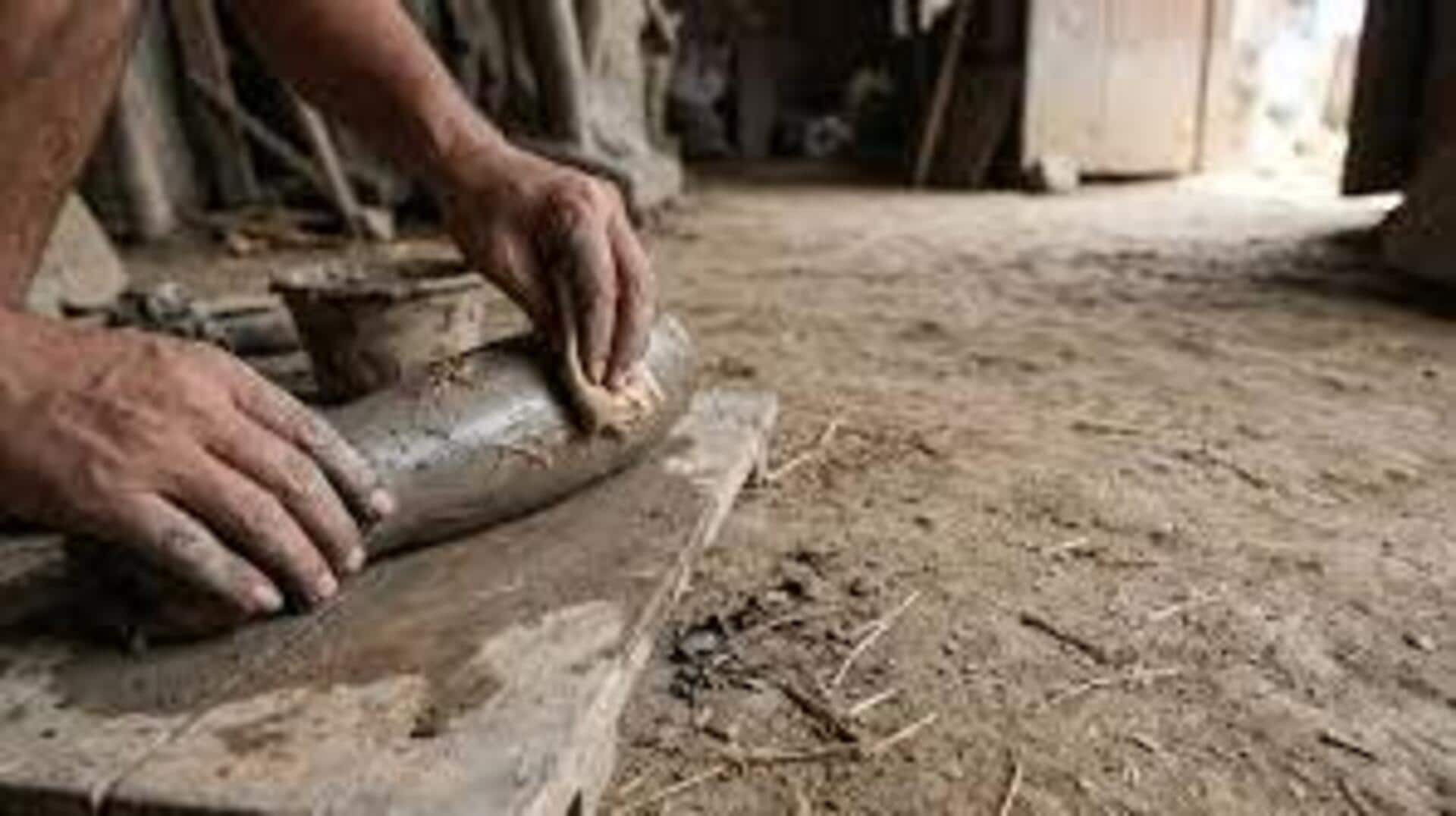
All about African clay sculpting
What's the story
African clay sculpting is an age-old art form that reflects the continent's rich cultural heritage. The craft involves shaping clay into intricate designs, often depicting traditional symbols and figures. Not only is this art form a means of artistic expression, but it also serves as a cultural storytelling medium. Learning to craft authentic African clay sculptures requires understanding the techniques and materials used by artisans across Africa.
#1
Understanding traditional techniques
Traditional African clay sculpting techniques vary from region to region, each with its own unique style.
Artisans usually use hand-building methods, molding the clay without tools to create detailed sculptures.
Coiling and pinching are common techniques, allowing for flexibility in design.
Knowing these methods is key to replicating authentic pieces that stay true to their cultural roots.
#2
Selecting the right materials
Choosing the right materials is essential for successful sculpting.
Natural clay sourced from local riverbeds or quarries is preferred because of its workability and durability when fired.
Sculptors also use natural pigments for coloring their works, derived from plants or minerals, to achieve authentic finishes that reflect traditional aesthetics.
#3
Incorporating cultural symbols
African sculptures are often rich in symbolism, with many designs holding cultural significance or telling stories.
Artists must familiarize themselves with these symbols to infuse their work with meaning.
This may include researching various tribes' iconography or consulting with local historians or elders, who can provide insights into the symbolic language of the art form.
#4
Practicing sustainable techniques
Sustainability has become a major focus in all art forms, including African clay sculpting.
Artists are now looking for eco-friendly practices, such as using locally sourced materials, and minimizing waste during production processes.
By adopting sustainable techniques, sculptors not only help preserve the environment but also keep traditional practices alive for future generations to learn from and enjoy.