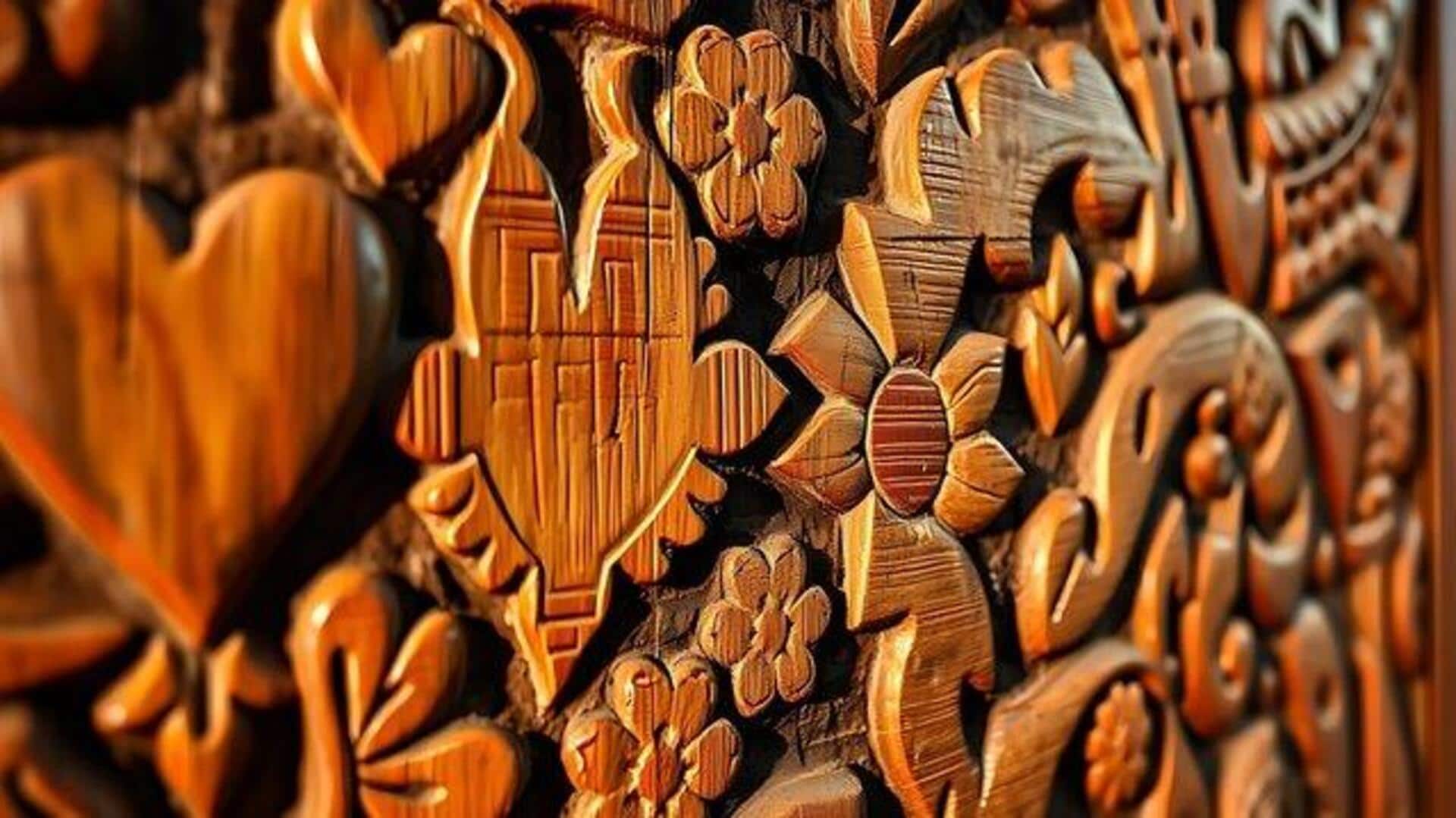
Masai woodcarving: A timeless style for furniture design
What's the story
African Masai woodcarving is a traditional art form passed down through generations. It is famous for its intricate designs and cultural significance. The technique involves carving wood into beautiful patterns, often depicting animals, people, and other elements of nature. This art form is not just a means of artistic expression, but also a way to preserve cultural heritage. By learning this technique, one can gain insight into the rich traditions of the Maasai people and create unique pieces of art.
Tools
Understanding the tools used
To master Masai woodcarving, you need to know the tools used by artisans.
Traditionally, these include simple hand tools like chisels and knives made from locally sourced materials.
These tools allow for precision in carving detailed designs on the wood surface.
Modern artisans may also use power tools for efficiency, but maintain traditional methods for authenticity.
Wood selection
Selecting the right wood
Choosing the right type of wood is essential for successful carving.
The most commonly used types are mahogany and ebony because of their durability and fine grain patterns. These woods take intricate details well and last long as finished pieces.
Knowing how different types of wood behave when carved can help you achieve desired results.
Patterns
Learning traditional patterns
Masai woodcarvings are characterized by specific patterns that hold cultural significance.
These patterns often include geometric shapes or motifs representing animals or nature.
Learning these traditional designs is essential for anyone looking to create authentic pieces.
Studying existing works can provide inspiration and guidance on how to incorporate these elements into your own creations.
Practice
Practicing techniques regularly
Like any other skill, mastering Masai woodcarving requires regular practice.
Setting aside time each day or week to work on your techniques will help improve your proficiency over time.
Experimenting with different designs and styles can also enhance your creativity, while reinforcing foundational skills learned during training sessions or workshops attended earlier on this journey toward becoming an expert craftsman himself or herself someday soon enough!