5 herbs that define Mexican vegetarian cuisine
What's the story
Mexican vegetarian cuisine is a colorful, flavorful affair, thanks to its diverse herbs and spices. These herbs are the soul of the dishes, giving them their unique taste and aroma. From fresh cilantro to dried oregano, each herb has its own role to play in making the cuisine what it is. Knowing these herbs can help you appreciate the depth of flavors in Mexican vegetarian cooking.
#1
Cilantro: A staple herb
Cilantro is a must-have in Mexican cuisine. Its fresh, citrusy flavor elevates salsas, salads, and soups.
Used both fresh and as a garnish, cilantro is a key ingredient in many traditional recipes. It goes well with tomatoes, avocados, and beans.
Cilantro not just adds taste but also makes the dish look good with its vibrant green color.
#2
Oregano: The dried flavor enhancer
Mexican oregano is different from Mediterranean oregano with its stronger flavor profile.
It is usually used in dried form to flavor stews, sauces, and beans.
This herb gives a warm and slightly peppery taste that goes well with tomatoes and chiles.
Oregano is usually added during cooking to let its flavors blend well with other ingredients.
#3
Epazote: The unique aromatic herb
Epazote has a strong aroma that some find similar to mint or tarragon.
It is commonly used in bean dishes as it helps reduce the gaseous effects of beans on digestion.
Apart from that, epazote adds an earthy depth to soups and stews.
This herb should be used sparingly because of its strong flavor.
#4
Parsley: A versatile green addition
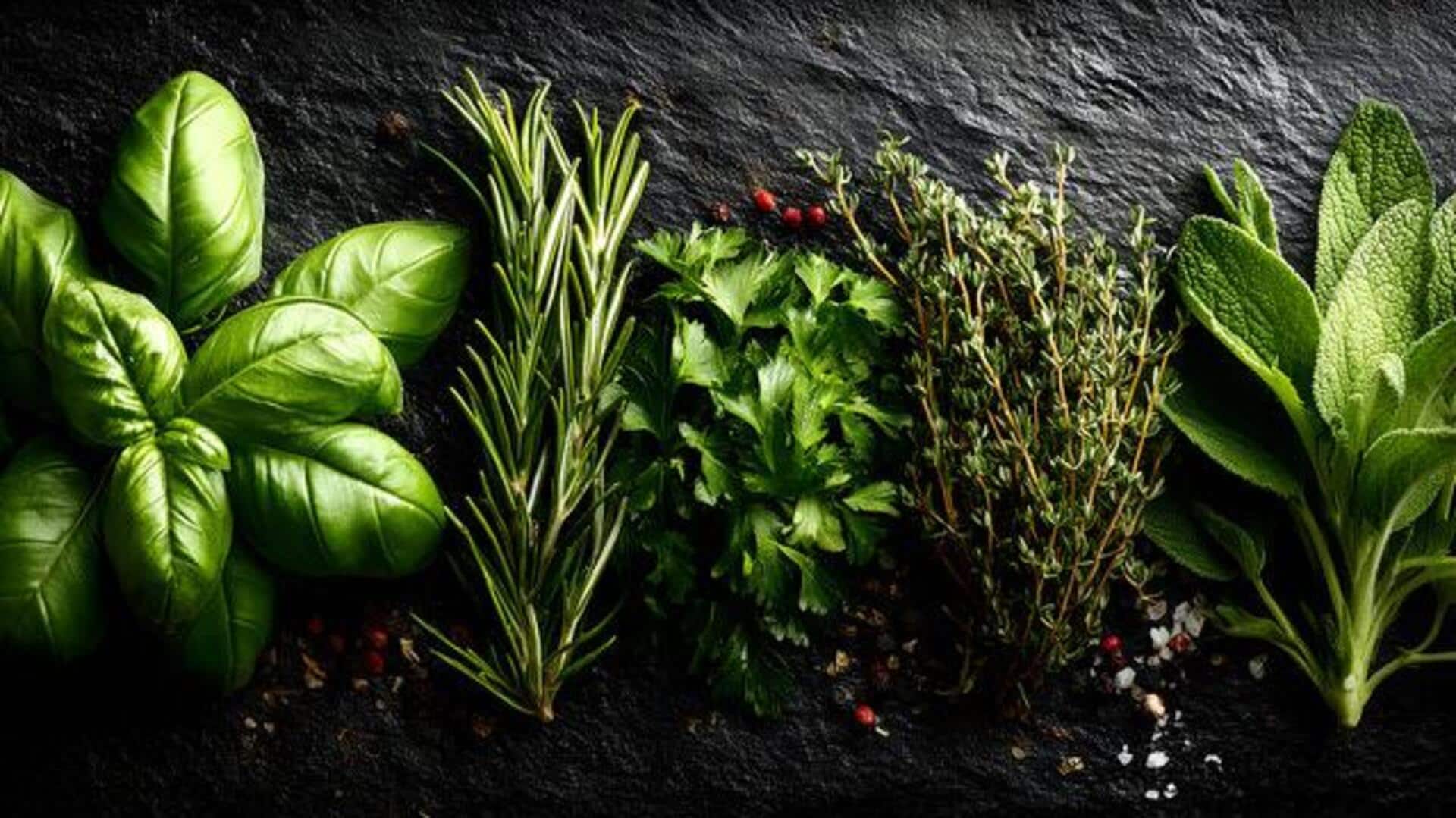
While parsley may not be as common as cilantro or oregano in Mexican cooking, it still plays an important role.
Its mild flavor makes it a versatile addition to various dishes without overpowering other ingredients.
Parsley can be used fresh as a garnish or added during cooking for subtle flavor enhancement.
#5
Bay leaves: Subtle yet impactful
Bay leaves are mostly used whole while cooking soups and stews, where they impart their subtle aroma slowly over time when simmered with other ingredients like beans or lentils.
They add depth without dominating other flavors present within the dish itself.
However, remember to remove them before serving, as they are not meant to be eaten directly due to their tough texture.