Millet v/s spelt: Which grain has more gluten?
What's the story
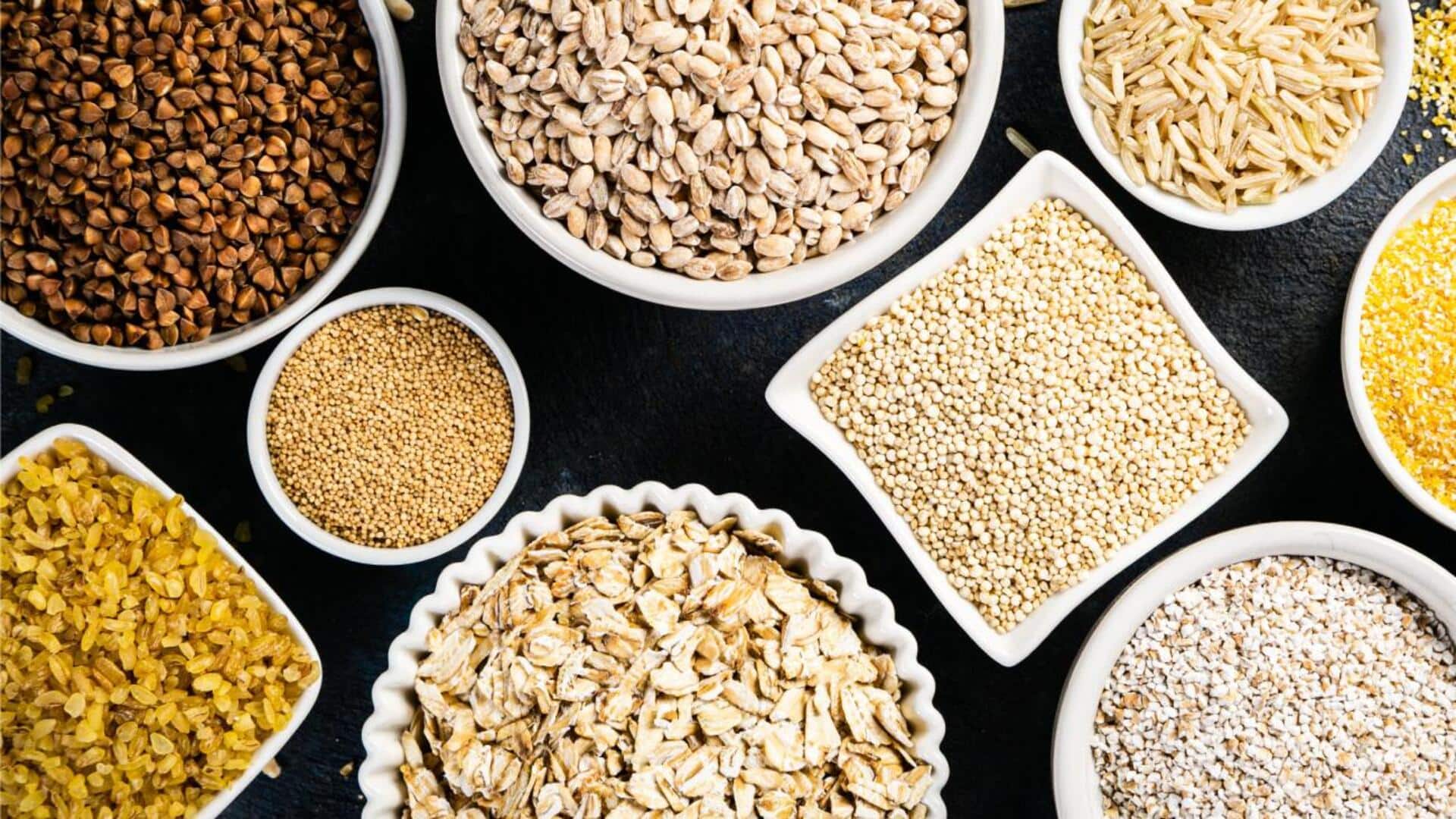
Millets and spelt are ancient grains becoming increasingly popular for their nutritional benefits. Both grains come with a unique set of nutrients, making them a great addition to a healthy diet. While millets are known for their high fiber content and gluten-free nature, spelt is famous for its protein content and easier digestibility than modern wheat. Here's a look at the nutritional profiles of millets and spelt.
#1
Fiber content in millets
Millets are also known for their high fiber content, which helps in digestion and keeping blood sugar levels stable.
The fiber helps in making you feel full, which may help you lose weight.
Eating fiber-rich foods, such as millets, can also help in lowering cholesterol levels.
Including millets in your diet can be a great way to increase your daily fiber intake.
#2
Protein levels in spelt
Spelt is also known for its high protein content compared to other grains. It offers all nine essential amino acids, making it a complete protein source.
This makes spelt an excellent option for vegetarians looking to increase their protein intake without relying on animal products.
The higher protein levels in spelt can help with muscle repair and growth.
#3
Gluten content comparison
Millets are naturally gluten-free, making them a safe, nutritious, and gluten-free alternative to wheat. It's an ideal choice for anyone looking to avoid gluten completely.
Meanwhile, spelt contains gluten because it is an ancient form of wheat. It has a different, a more often water-soluble gluten structure than modern wheat, but it is still a gluten-containing grain.
So, those with celiac disease or severe gluten sensitivity should avoid spelt.
#4
Micronutrient benefits of each grain
Both millets and spelt offer a range of micronutrients that contribute to overall health.
Millets are rich in magnesium, phosphorus, iron, and B vitamins, which support energy production and bone health.
Spelt provides zinc, copper, manganese, and vitamin B6, which aid immune function and metabolism.
Including these grains in your diet can help meet your daily micronutrient needs effectively.