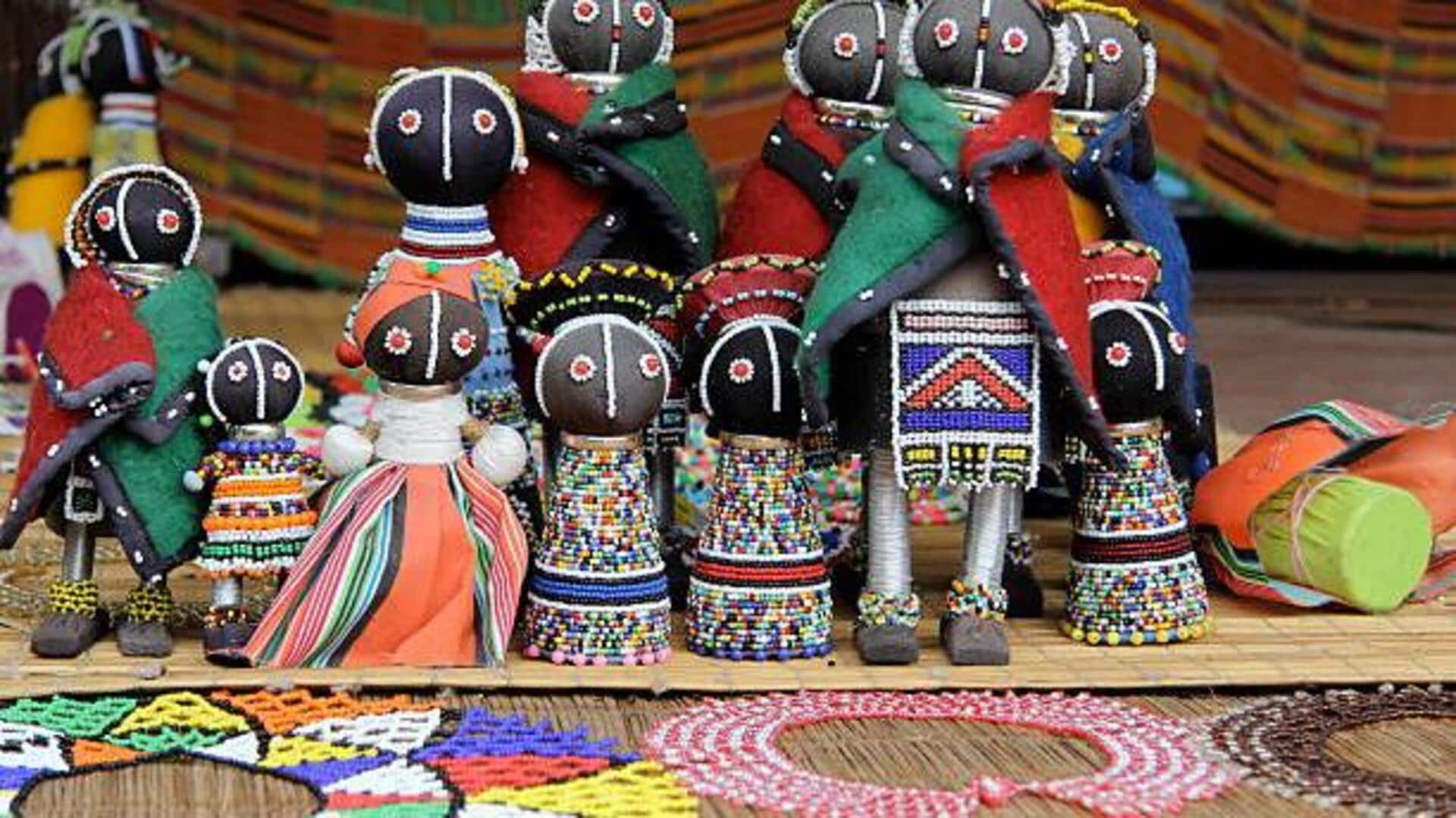
Why African mud dolls are gaining global attention
What's the story
African mud dolls, traditionally crafted from natural materials, are making a mark in contemporary aesthetics. These dolls, rich in cultural significance, are now being used in modern design and art. Their unique textures and earthy tones provide a fresh perspective for artists and designers. As the world embraces sustainability and cultural diversity, these mud dolls offer an intriguing blend of tradition and innovation.
Cultural roots
Historical significance of mud dolls
Mud dolls have been a part of African culture for centuries. They were traditionally used for storytelling, rituals, and as educational tools for children.
The dolls are made from clay or mud mixed with other natural materials, reflecting the environment they come from.
Each doll often represents different aspects of daily life or spiritual beliefs, making them valuable historical artifacts.
Contemporary use
Modern applications in design
Today, designers are incorporating mud dolls into various modern applications. From home decor to fashion accessories, these dolls bring an element of authenticity and character to products.
Their earthy tones and textures can complement modern aesthetics while retaining cultural significance.
This blend of old and new appeals to consumers seeking unique, meaningful items.
Creative influence
Artistic inspiration from mud dolls
Artists around the world draw inspiration from the form and function of African mud dolls.
The simplicity, yet depth, of these creations encourages innovative artistic expressions across mediums such as painting, sculpture, and textile design.
By studying the intricate details and symbolism of these dolls, artists can create works that pay homage to their heritage while appealing to contemporary audiences.
Community benefits
Economic impact on local communities
The revival of interest in African mud dolls also positively impacts local communities where these crafts are made.
Increased demand leads to better economic opportunities for artisans who create them.
This not only supports traditional craftsmanship but also encourages sustainable practices that benefit the environment and society as a whole.