Nature sound mapping: All about this self-care practice
What's the story
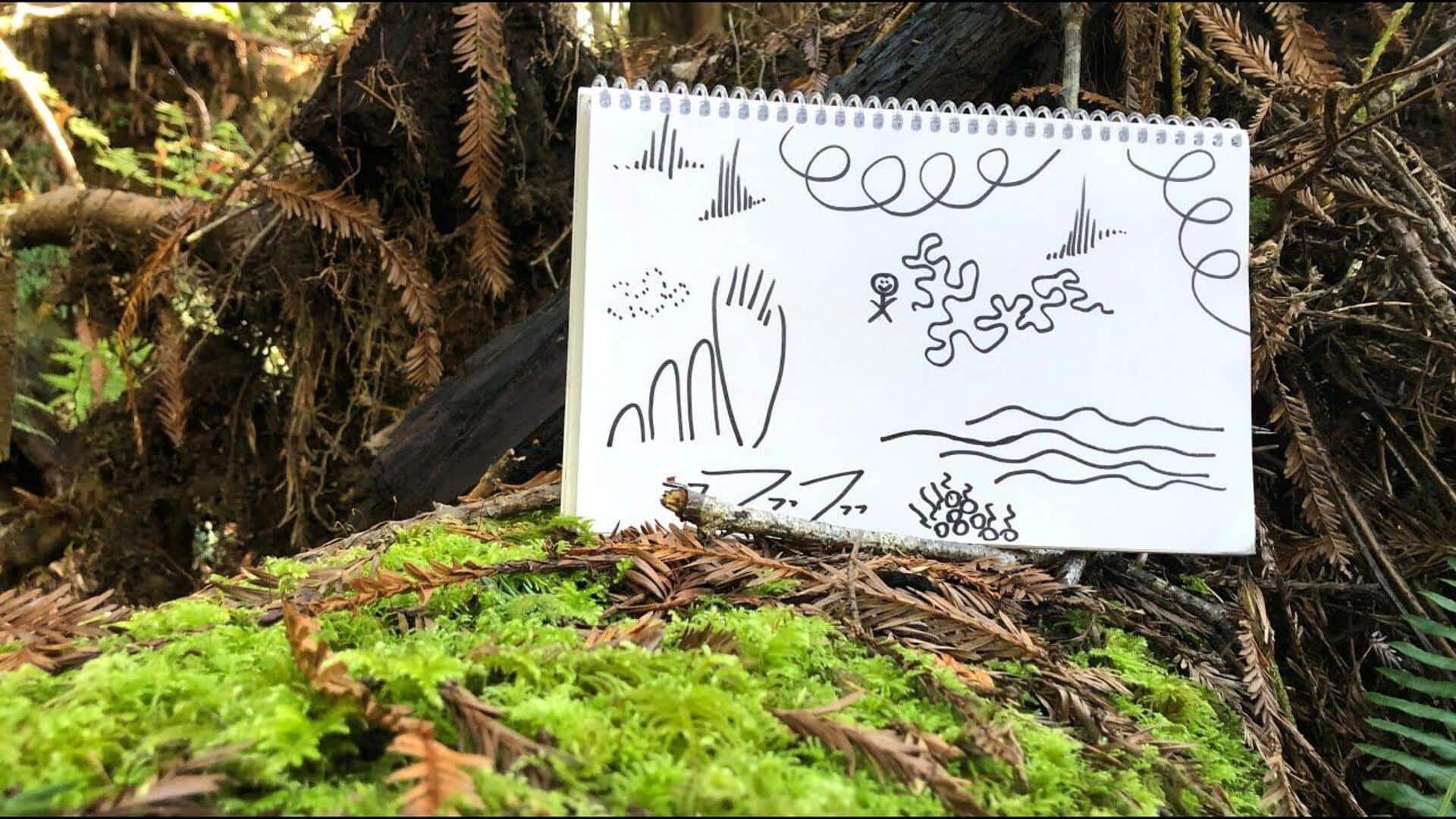
Nature sound mapping is a simple yet effective self-care practice that involves listening to and identifying various natural sounds in your environment. This mindful activity can help reduce stress, improve focus, and enhance your overall well-being. By engaging with the sounds of nature, you can cultivate a deeper connection with your surroundings and promote mental clarity. Here are five ways to incorporate nature sound mapping into your daily routine.
Tip 1
Start with morning sounds
Begin your day by listening to the sounds around you in the morning.
This could be birds chirping, leaves rustling, or distant traffic.
Take a few minutes to focus on these sounds without any distractions.
This practice can set a positive tone for the day by grounding you in the present moment and encouraging mindfulness.
Tip 2
Create a sound journal
Keep a journal dedicated to recording different natural sounds you encounter over time.
Note down what you hear, when, and where it happens.
This exercise not only enhances your listening skills but also helps you recognize patterns in nature's soundscape.
Reviewing your entries periodically can give you insights into how these sounds affect your mood and well-being.
Tip 3
Use technology wisely
While technology is helpful, it's important to use it wisely when it comes to nature sound mapping.
Use apps or devices that allow you to record or play back natural sounds without disrupting the experience with notifications or alerts.
This way, you can enjoy an uninterrupted session of listening that promotes relaxation and mindfulness.
Tip 4
Engage in evening reflections
Incorporate evening reflections into your routine by listening to calming nighttime sounds, like crickets or distant trains.
Use this time to reflect on the day's events, focusing on positive experiences and emotions.
This practice not only helps you unwind but also encourages gratitude and appreciation for life's simple pleasures.
Tip 5
Share experiences with others
Sharing your nature sound mapping experiences with friends or family can deepen your understanding of this practice.
Discussing what you hear and how it affects you can lead to new insights and perspectives.
It also fosters a sense of community around shared interests in mindfulness and self-care through natural sounds.