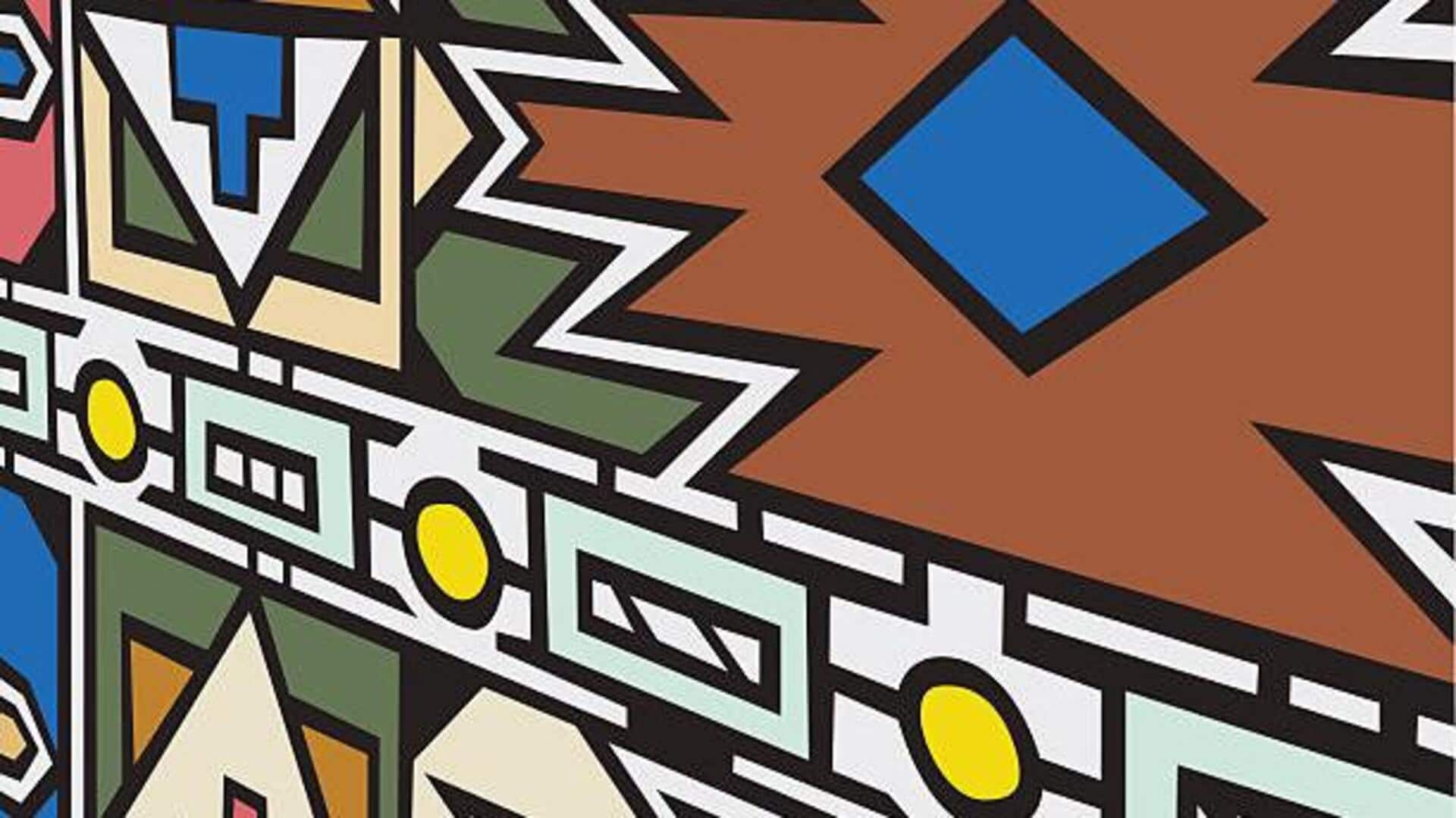
What are Ndebele patterns?
What's the story
The vibrant geometric patterns and bold colors of Ndebele art are now making their way into modern fashion, giving a fresh twist to traditional African aesthetics. The art form, which hails from South Africa's Ndebele people, is known for its striking designs and cultural significance. As designers look for inspiration from diverse sources, Ndebele art provides a unique opportunity to blend heritage with contemporary style.
#1
Geometric patterns in clothing
Geometric patterns are a hallmark of Ndebele art and have made their way into clothing lines across the globe.
These patterns make a bold statement on garments, be it dresses or accessories.
By adding these designs to modern fashion, designers pay homage to the cultural roots while creating something that appeals to the younger generation.
The use of bright colors and sharp lines makes these pieces stand out.
#2
Bold colors inspired by Ndebele art
Ndebele art is famous for its use of bright colors, which is now being used in modern fashion collections.
Designers use these same hues to create eye-catching outfits that reflect the vibrancy of this traditional art form.
The colors not only add visual interest but also carry cultural significance, making them more than just aesthetic choices.
#3
Incorporating traditional motifs into modern designs
Many fashion designers are also incorporating traditional Ndebele motifs into their modern designs.
By doing so, they create a bridge between past and present, allowing consumers to appreciate the cultural heritage behind each piece.
These motifs can be found in everything from textiles to jewelry, offering versatile options for those looking to embrace this unique style.
#4
Sustainable fashion inspired by Ndebele art
The influence of Ndebele art on sustainable fashion is also growing.
Some designers are using eco-friendly materials while incorporating these traditional patterns into their work.
This approach not only supports environmental conservation but also celebrates cultural diversity through fashion choices that resonate with conscious consumers around the world.