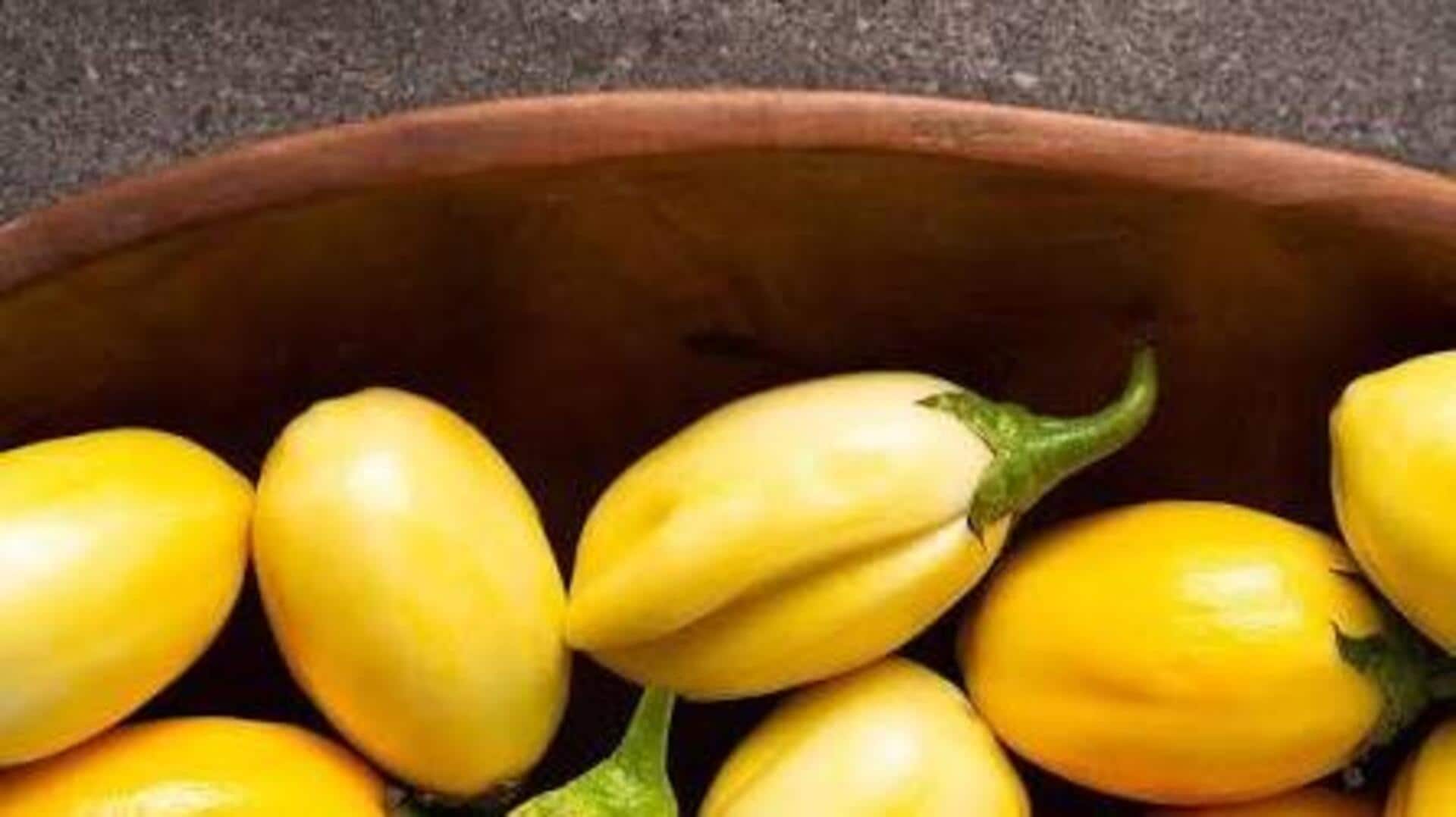
Nyanya: Culinary uses of this African tomato
What's the story
Nyanya, or African tomato, is a staple in many African kitchens. This versatile ingredient is used in a variety of dishes, lending a unique flavor and nutritional value. From stews to sauces, nyanya is an essential part of everyday cooking across the continent. Its ability to enhance flavors while providing essential nutrients makes it a favorite among home cooks and chefs alike.
#1
Nutritional benefits of nyanya
Nyanya is loaded with vitamins and minerals that are good for health.
It is a great source of vitamin C, which boosts immunity, and vitamin A, which is good for eyesight.
The antioxidants in nyanya also help in fighting free radicals in the body.
Plus, it has potassium that helps in maintaining blood pressure levels.
These nutritional benefits make nyanya an important part of a balanced diet.
#2
Traditional dishes featuring nyanya
Across Africa, there are several traditional dishes that use nyanya as a key ingredient.
In Nigeria, it is commonly used in jollof rice and vegetable soups.
In East Africa, it is used in stews with beans or lentils.
These dishes highlight the versatility of nyanya and how it can be adapted to different regional flavors and ingredients.
Tip 1
Tips for cooking with nyanya
When cooking with nyanya, it's important to choose ripe tomatoes for the best flavor.
Ripe tomatoes are sweeter and juicier, which enhances the taste of your dish.
To get the most out of their flavor, consider roasting or grilling them before adding them to your recipe. This brings out their natural sweetness and adds depth to sauces and stews.
Tip 2
Preserving nyanya for future use
To make sure you have access to nyanya all year round, consider preserving them when they are in season.
One way to do this is by making tomato paste or sauce that can be stored in jars or containers in the refrigerator or freezer.
Drying tomatoes is another option; sun-drying or using a dehydrator keeps their flavor intact while extending shelf life significantly compared to fresh produce alone.