Parkour v/s trampoline: Which burns more calories?
What's the story
Parkour and trampoline are two exhilarating activities that have gained immense popularity for their unique physical benefits. While both improve cardiovascular health, they do so in their own ways. Knowing how each activity affects the heart can help you choose the right one for your fitness goals. Here's a look at how parkour and trampoline improve heart health, and what makes them different.
#1
Parkour's dynamic movements
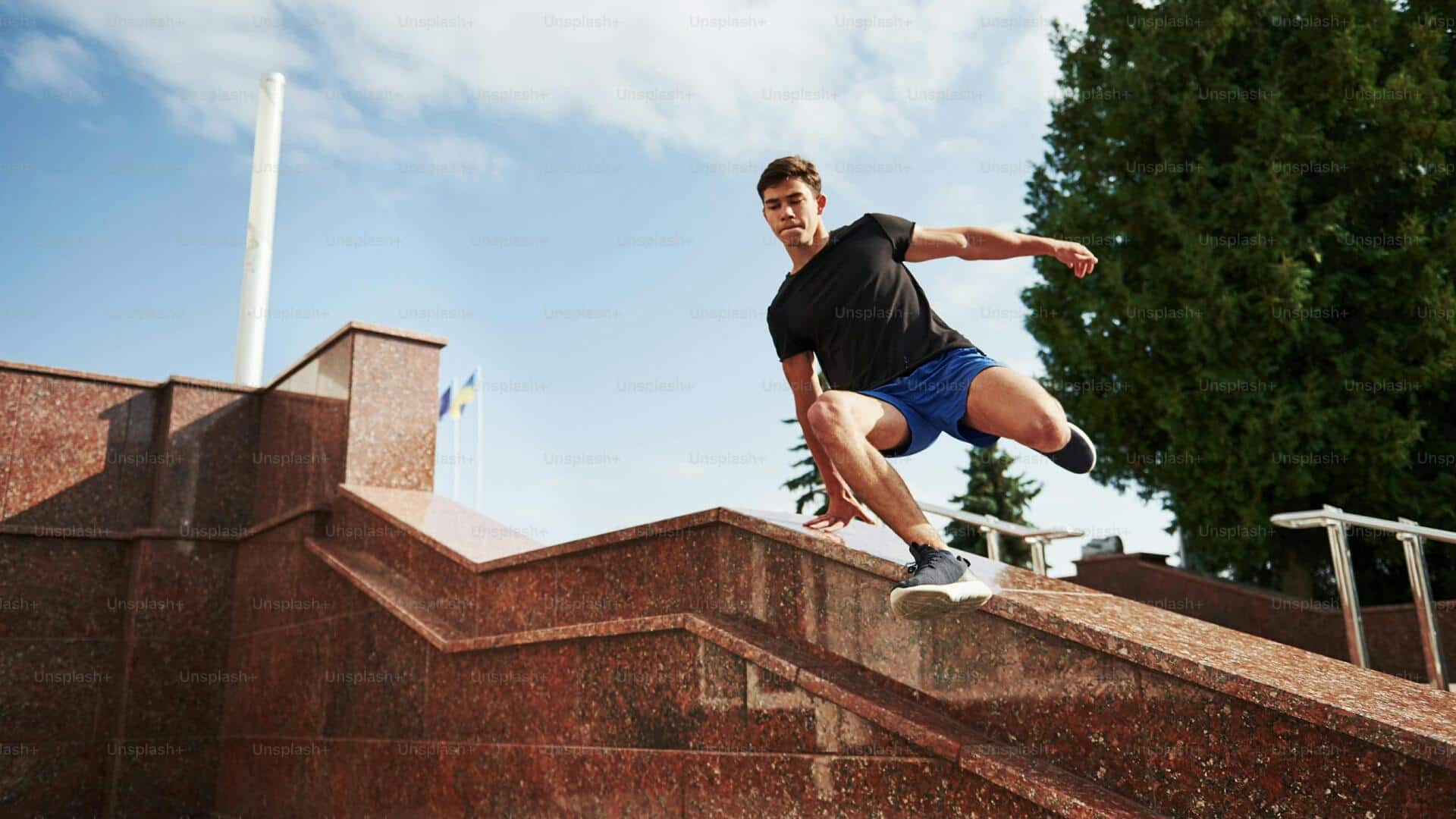
Parkour involves jumping, climbing, and running through obstacles in an environment.
The high-intensity workout increases heart rate and improves cardiovascular endurance.
The varied movements engage different muscle groups, promoting better circulation and oxygen flow to the heart.
Regular practice can lead to improved heart efficiency as the body adapts to the demands of this dynamic sport.
#2
Trampoline's rhythmic bouncing
Trampoline exercises provide a low-impact way to improve cardiovascular health through rhythmic bouncing.
The repetitive motion elevates the heart rate while putting less strain on joints than other high-impact activities.
Trampoline workouts also promote blood circulation by engaging core muscles and improving balance.
This makes it an ideal option for those looking for gentler, yet effective, cardiovascular benefits.
#3
Caloric burn comparison
Both parkour and trampoline workouts are effective at burning calories, which is essential for maintaining a healthy weight and supporting heart health.
Parkour's intense movements can burn up to 600 calories an hour, depending on the intensity and duration of the session.
Meanwhile, trampoline exercises can burn around 300 calories per hour, making them perfect for those wanting to lose weight without too much stress on their body.
Tip 1
Mental health benefits
Engaging in parkour or trampoline activities not only benefits physical health but also enhances mental well-being by reducing stress levels and boosting mood through the release of endorphins during exercise sessions.
These activities require focus, coordination, and balance, which helps improve cognitive function while providing a sense of accomplishment when mastering new skills or completing challenging routines.