What you should know about plant-based iron
What's the story
Iron is an essential mineral that helps in the production of hemoglobin, which carries oxygen in the blood. While plant-based foods are often touted as a healthy alternative to animal products, there are many misconceptions about the iron content in these foods. This article aims to debunk five common myths about plant-based iron, providing clarity on how to get enough of this vital mineral from a vegetarian diet.
Absorption
Myth: Plant-based iron isn't absorbable
Many believe that iron from plant sources is poorly absorbed by the body.
While it is true that non-heme iron from plants is less efficiently absorbed than heme iron from animal sources, it does not mean it is ineffective.
The body can still absorb non-heme iron efficiently with the help of vitamin C-rich foods, which enhance absorption by up to six times.
Red meat
Myth: Only red meat has sufficient iron
A common misconception is that red meat is the only source of sufficient iron.
However, several plant-based foods are rich in iron, such as lentils, chickpeas, beans, tofu, quinoa, and spinach.
These foods provide a healthy amount of non-heme iron, making them a great option for those looking to reduce their meat intake while still getting their daily dose of this essential mineral.
Supplements
Myth: Iron supplements are necessary for vegetarians
Some assume that vegetarians must take iron supplements to avoid deficiency.
While supplements can help some people, a well-planned vegetarian diet can provide all the necessary nutrients without them.
By including a variety of iron-rich foods and pairing them with vitamin C sources, such as citrus fruits or bell peppers, vegetarians can meet their daily iron needs naturally.
Cooking effects
Myth: Cooking destroys all plant-based iron
There's a belief that cooking plant-based foods destroys their iron content completely.
While cooking can reduce the levels of some nutrients, like vitamin C, it doesn't eliminate all the iron present in these foods.
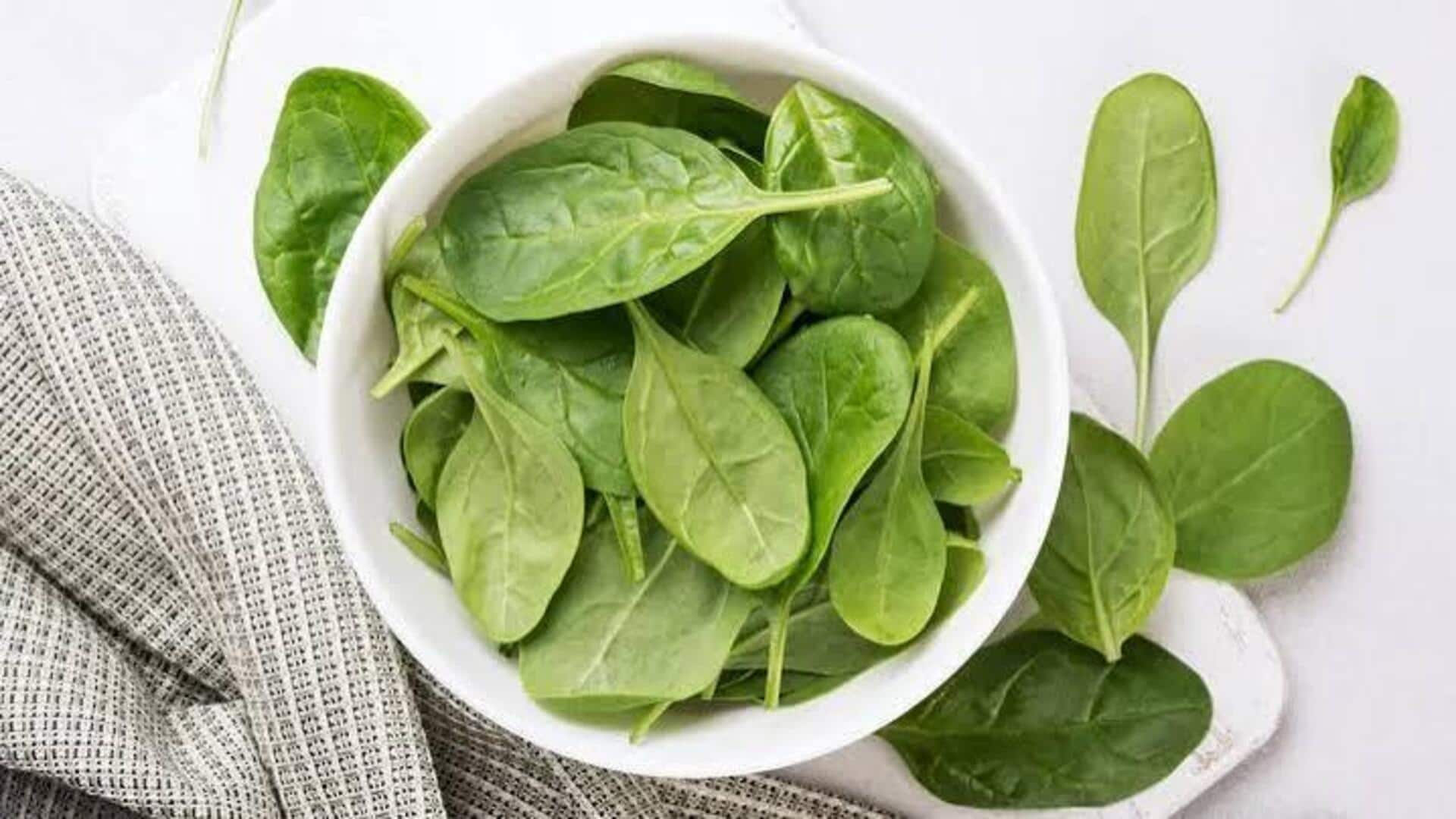
In fact, cooking certain vegetables, like spinach, can even make the iron more bioavailable by breaking down oxalates that inhibit absorption.
Leafy greens
Myth: Dark leafy greens are best source of plant-based iron
Leafy greens like kale and spinach are often considered the best sources of plant-based iron, but they are not the only ones.
Other vegetables, such as broccoli and Brussels sprouts, also provide good amounts of non-heme iron.
Whole grains like oats and brown rice, and nuts such as almonds, also make great contributions to your daily intake when consumed regularly as part of a balanced diet.