What makes Kolkata's puchka so special?
What's the story
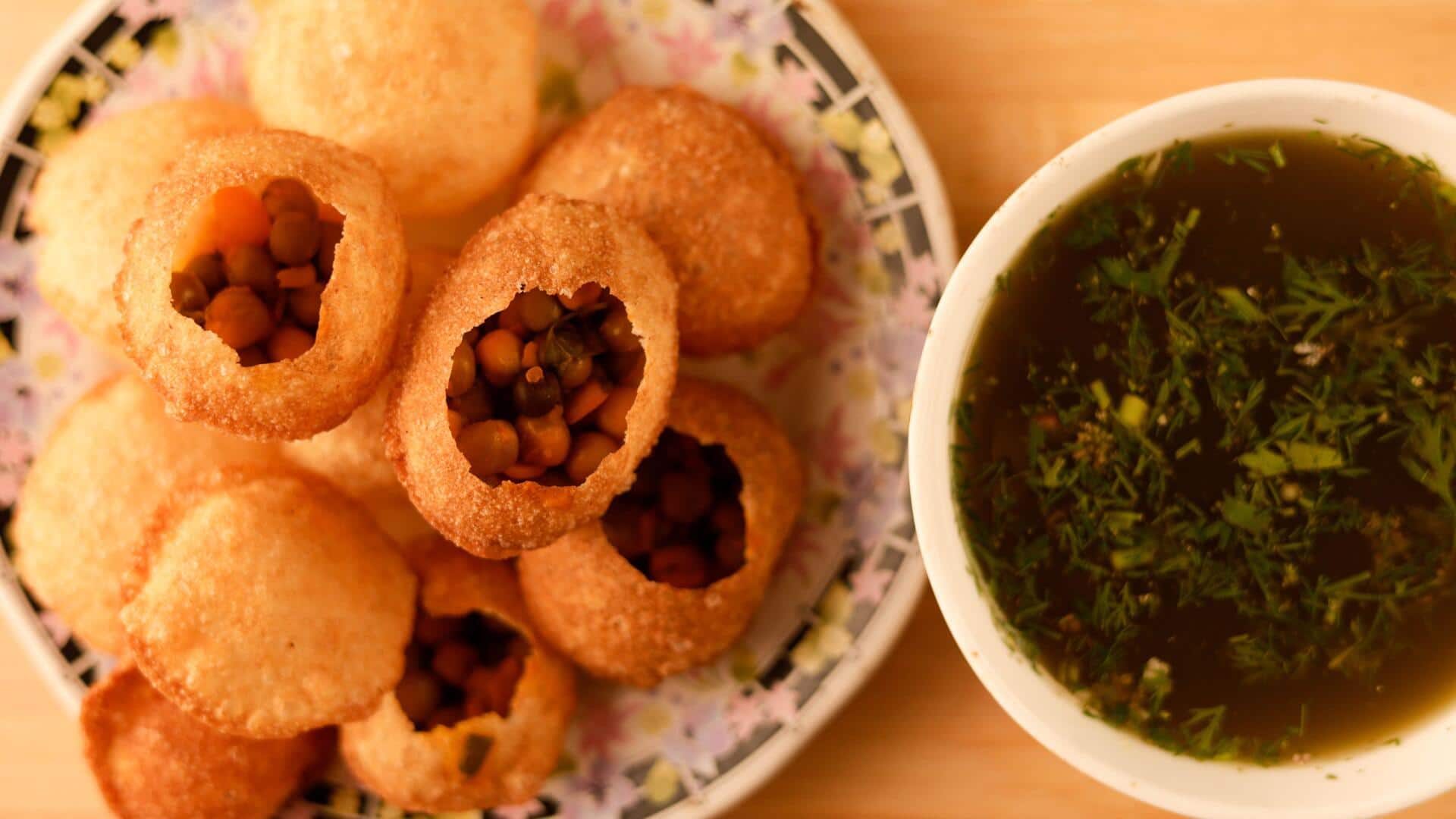
Kolkata's puchka is a breakfast staple that combines tangy flavors with a crunchy texture. This street food favorite is loved by many for its unique taste and quick preparation. Made with semolina shells filled with tamarind water, chickpeas, and spices, puchka offers a burst of flavors in every bite. It's not just a meal, but an experience that reflects Kolkata's vibrant street food culture.
Preparation
The art of making puchka
Making puchka requires skill and precision. The semolina shells are prepared to be crisp, yet delicate enough to hold the filling without breaking.
The filling usually consists of boiled chickpeas mixed with potatoes and spices like cumin and coriander powder.
The tamarind water is prepared by mixing tamarind pulp with jaggery, salt, and spices for the perfect balance of sweet and sour.
Street vendors
Where to find authentic puchka
Authentic puchka can be found at various street vendors across Kolkata. These vendors have been serving this delicacy for decades, perfecting their recipes over the years.
They serve puchka in small portions so that you can enjoy multiple servings without being overwhelmed.
Each vendor has their own unique twist on the classic recipe, making it fun to try different versions.
Affordability
Cost-effective breakfast option
Puchka is also an affordable breakfast option for those looking to enjoy delicious food without burning a hole in their pocket.
Most vendors serve it at a price range of ₹10 to ₹30 per serving, depending on the portion size and location.
This makes it accessible to all, from students to working professionals looking for a quick yet satisfying meal.
Tradition
Cultural significance of puchka
Puchka is not just food; it is a part of Kolkata's cultural heritage.
It is a dish that brings people together, whether they are sitting on crowded streets or at home with friends and family members sharing stories over plates full of this delectable treat.
Its popularity across generations speaks volumes about its importance within local traditions.