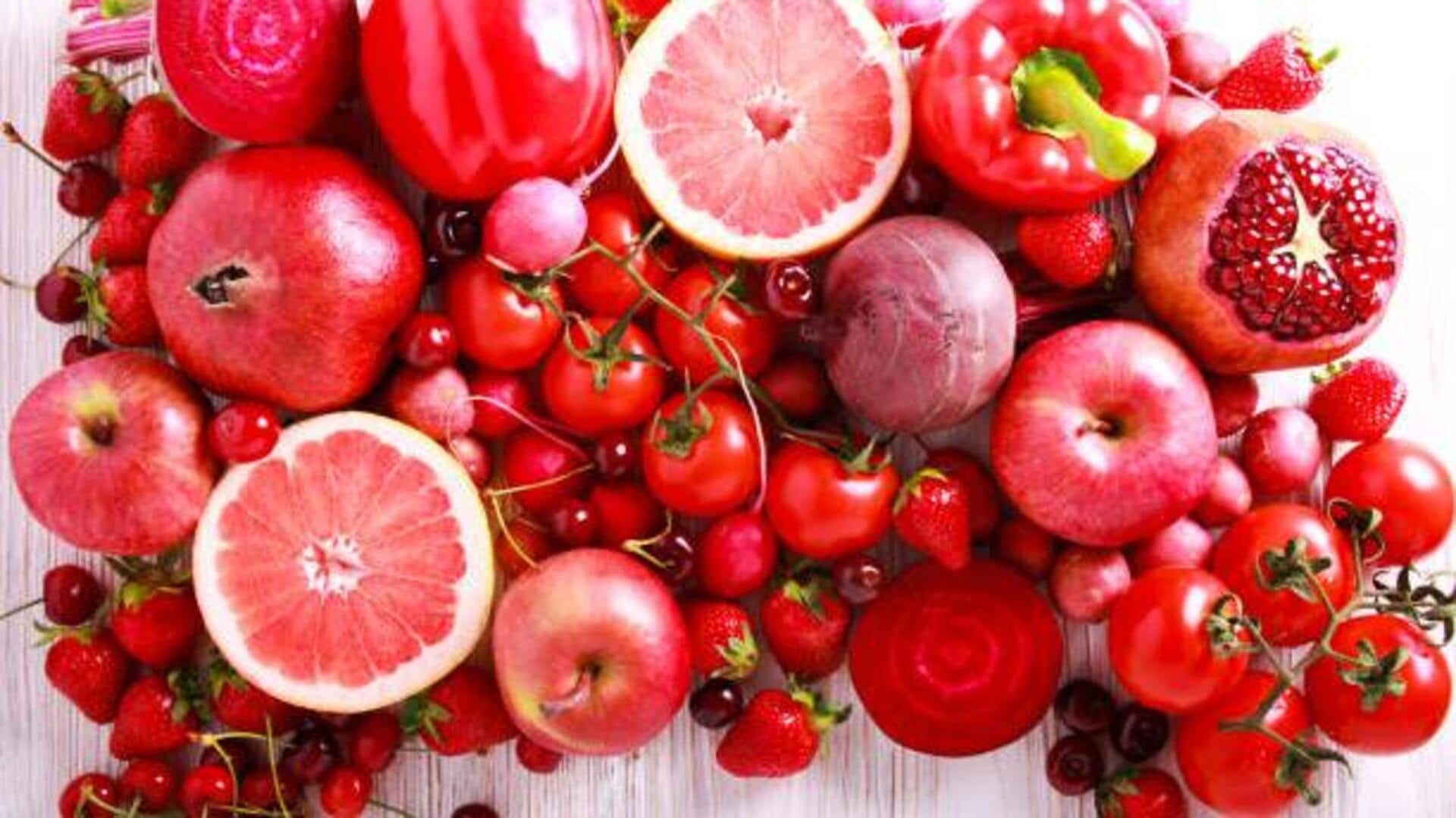
What are red foods? Do they really fight inflammation?
What's the story
Red foods such as tomatoes, strawberries, and red bell peppers are often touted for their anti-inflammatory properties. The claim is primarily due to the presence of antioxidants and other beneficial compounds. However, the extent to which these foods can actually reduce inflammation is a topic of interest and debate. This article delves into the science behind red foods and their purported anti-inflammatory effects.
Lycopene benefits
The role of lycopene
Lycopene is a powerful antioxidant found in high amounts in tomatoes and watermelon.
It is believed to help reduce inflammation by neutralizing free radicals that cause cellular damage.
Some studies have indicated that lycopene may help lower markers of inflammation in the body. However, more research is needed to establish a direct link between lycopene intake and significant reductions in inflammation.
Anthocyanin impact
Anthocyanins in red fruits
Anthocyanins are pigments that give strawberries, raspberries, and cherries their red hue.
These compounds are known for their antioxidant properties, which may help combat oxidative stress—a contributor to inflammation.
Some studies show that anthocyanins can help reduce inflammatory markers such as C-reactive protein (CRP).
However, the effect may vary based on individual dietary habits and overall lifestyle.
Vitamin C effects
Vitamin C's contribution
Vitamin C is abundant in many red foods, such as strawberries and bell peppers.
It is an important antioxidant that protects cells from damage caused by free radicals.
While vitamin C contributes to overall health and immune function, its direct impact on reducing inflammation when consumed through red foods alone remains inconclusive without further evidence.
Holistic approach
Dietary patterns matter more
While red foods have potential benefits, it's important to remember that they are just one part of a larger picture.
A balanced diet with a variety of fruits, vegetables, whole grains, and healthy fats is key to managing inflammation.
Focusing solely on red foods may not yield the desired results without considering other dietary factors that contribute to overall health.