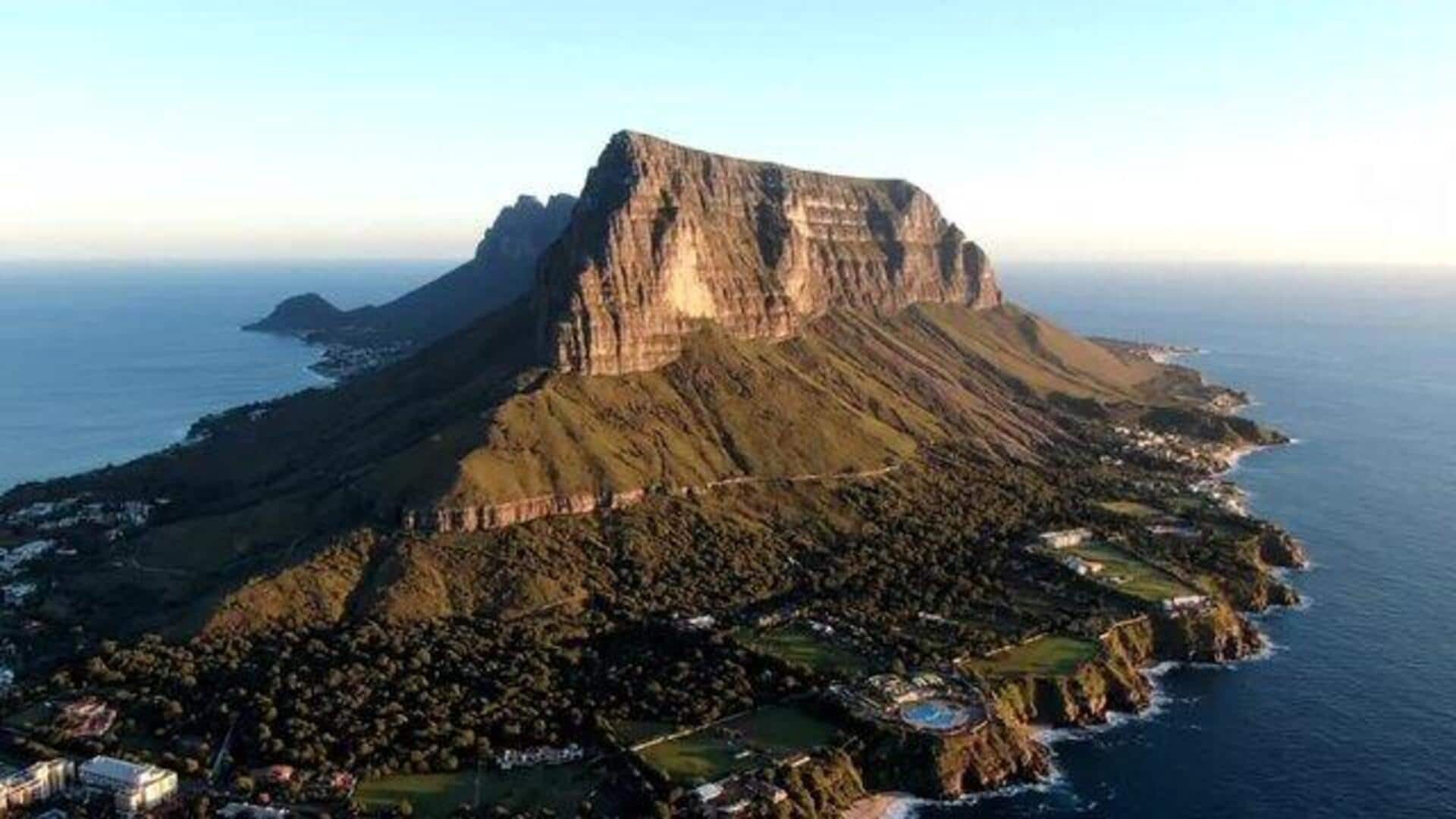
Table Mountain: An iconic spot for rock climbing
What's the story
Table Mountain in Cape Town, South Africa, is a rock climbing paradise, offering stunning views and unique climbing experiences. Famous for its flat top and breathtaking vistas, the mountain draws climbers from all over the world. With its diverse routes and challenging terrains, Table Mountain makes for an ideal destination for both novice and experienced climbers. Here's everything you need to know about climbing this iconic African landmark.
#1
Understanding Table Mountain's terrain
Table Mountain's terrain is characterized by its unique sandstone composition, which provides a variety of climbing routes.
The mountain's cliffs range from gentle slopes to steep faces, catering to climbers of different skill levels.
The weather can change quickly here, so climbers should be prepared for sudden changes in conditions.
Knowing the terrain is essential for planning safe and successful climbs.
#2
Popular climbing routes on Table Mountain
Table Mountain has several popular climbing routes, each with its own challenges and rewards.
The Platteklip Gorge route is one of the most popular, owing to its accessibility and moderate difficulty level.
For more experienced climbers, routes like the India Venster or Arrow Face offer thrilling vertical ascents, with stunning views of Cape Town below.
#3
Essential gear for climbing Table Mountain
Proper gear is crucial for a safe climb on Table Mountain.
Climbers should carry basic equipment like harnesses, helmets, ropes, and climbing shoes suited for rocky surfaces.
Weather-appropriate clothing is also important due to the mountain's variable climate.
A reliable map or GPS device can help navigate the trails effectively.
Tip 1
Safety tips for climbers on Table Mountain
Safety should always be a priority when climbing Table Mountain.
It is advisable to check weather forecasts before heading out, as conditions can change rapidly on the mountain.
Staying hydrated is key, as dehydration can lead to fatigue or other health issues during climbs at high altitudes.