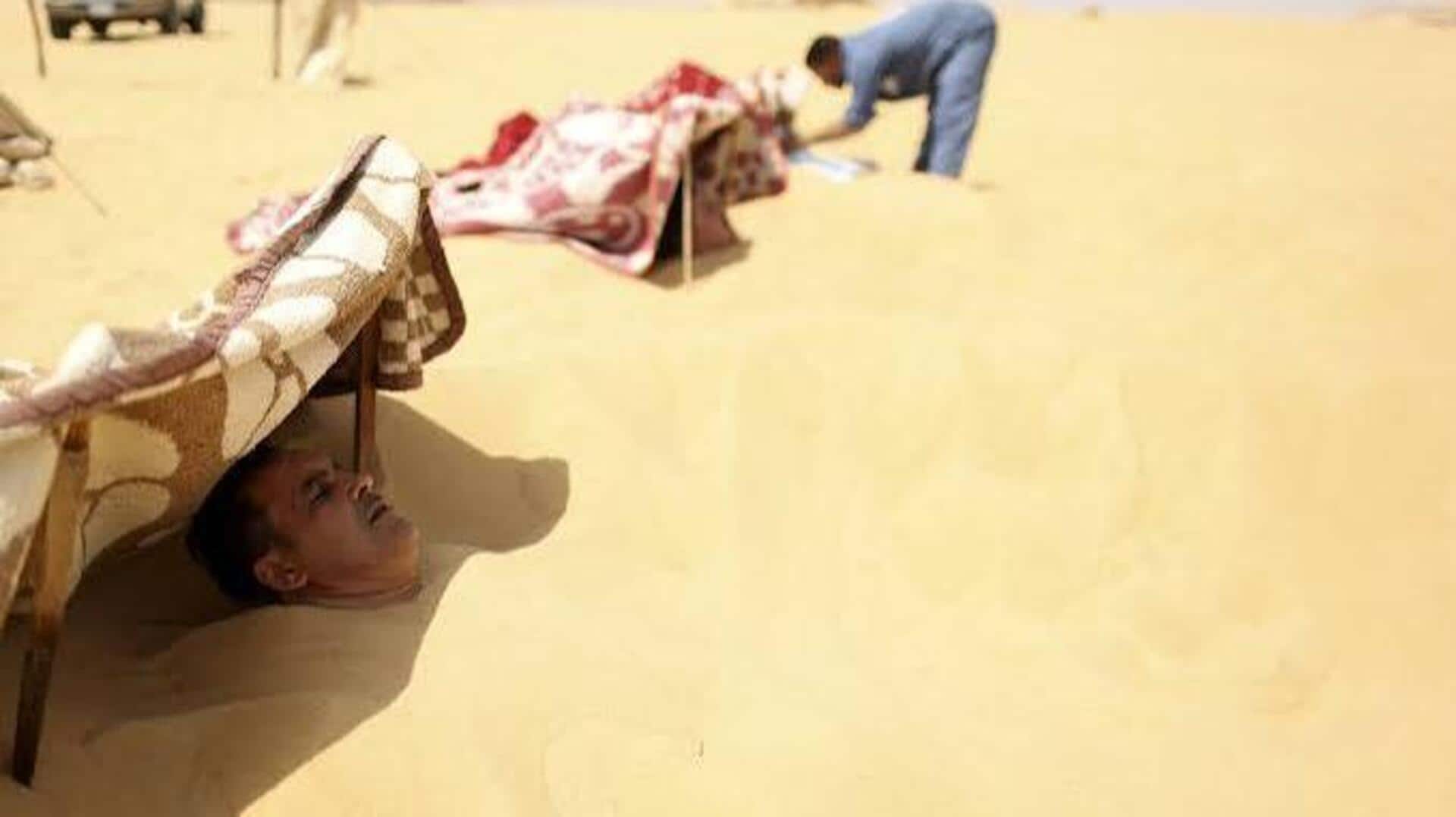
Ever heard of sand baths?
What's the story
Saharan sand baths are an age-old practice that involves burying oneself in warm desert sand. The practice is believed to have therapeutic benefits, including relaxation and improved circulation. The heat of the sand is said to help detoxify the body and relieve muscle tension. This unique experience is often sought by those looking for natural ways to rejuvenate, unwind, and relax in the vast expanses of the Sahara Desert.
Health benefits
Therapeutic benefits of sand baths
Sand baths are said to provide a number of health benefits owing to the heat and minerals in the sand.
The warmth penetrates deep into muscles, relieving tension and pain.
It is also believed that the practice improves blood circulation and helps detoxify the skin by opening pores.
Many swear by it for its calming effects on both body and mind.
Safety tips
How to enjoy a sand bath safely
To enjoy a sand bath safely, choose an appropriate time when temperatures are manageable.
Early morning or late afternoon is ideal to avoid extreme heat.
Make sure you have enough water to stay hydrated throughout the process.
Use a towel or cloth as a barrier between your skin and sand, if needed, to prevent irritation or burns from excessive heat.
Preparation tips
Preparing for your first sand bath experience
Before trying a sand bath, find a suitable spot with clean, fine-grained sand. Make sure it is free from debris, like sharp rocks or litter.
Bring necessary items like towels, water bottles, sunscreen, hats, sunglasses, and comfortable clothing.
These preparations ensure a pleasant and safe experience, allowing you to fully enjoy the therapeutic benefits of this unique practice.
Cultural insights
Cultural significance of sand baths in Sahara
In many Saharan communities, sand baths are part of traditional wellness rituals passed down through generations.
Locals often use them alongside other natural therapies, like herbal treatments or massage techniques unique to their culture.
This highlights how deeply rooted these practices are within local traditions. They remain relevant even today amidst modern lifestyle changes globally.