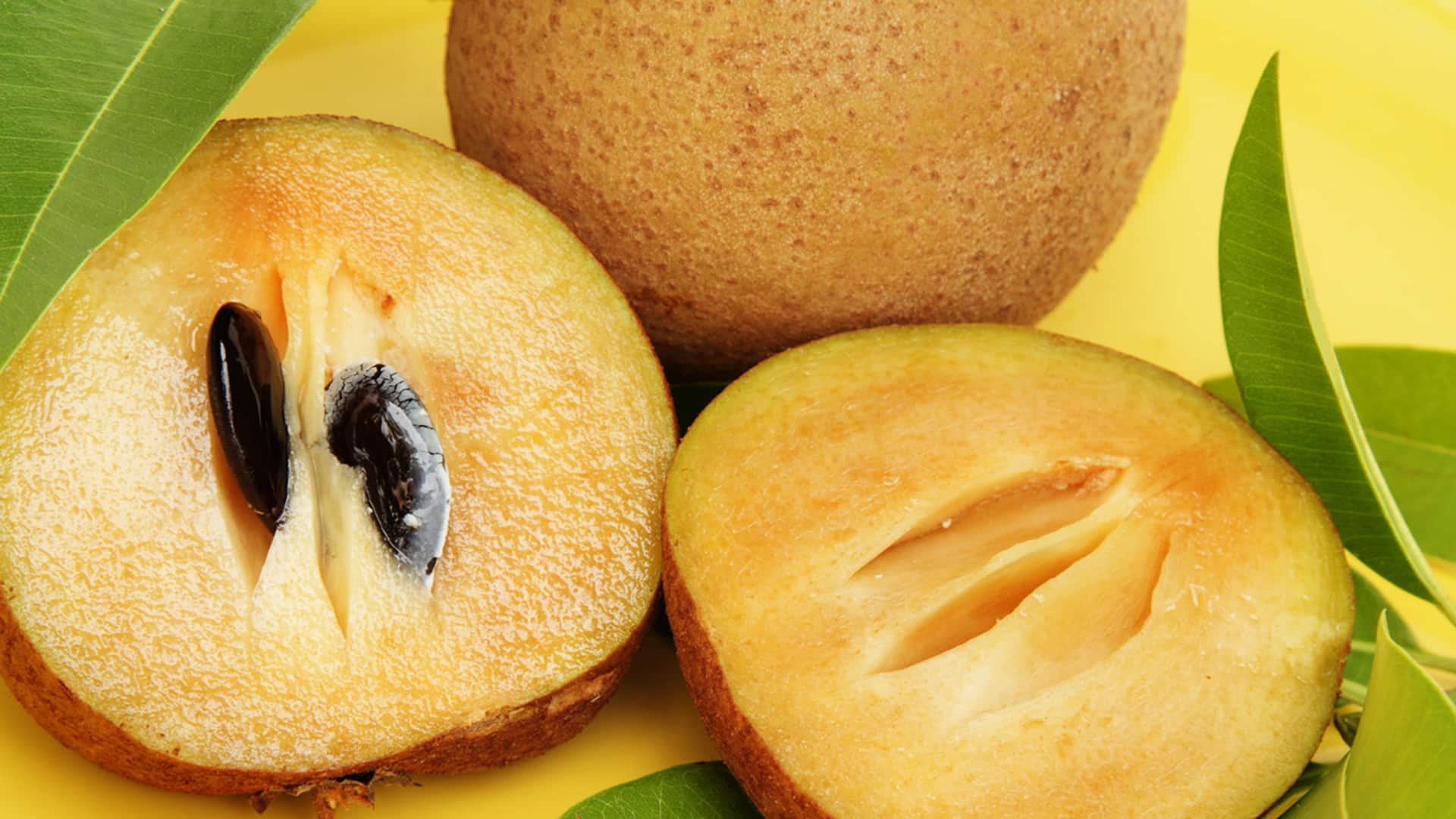
Sapodilla v/s persimmon: Which has more natural sugar?
What's the story
Sapodilla and persimmon are two tropical fruits that are loved for their sweetness and unique flavors. Both fruits are known for their natural sugars, making them a great choice for those looking for healthier dessert options. While sapodilla is often praised for its grainy texture, persimmon is known for its smooth flesh. Here's a look at the sugar content in these fruits, and how they compare to each other.
#1
Sugar content in sapodilla
Sapodilla is famous for its high sugar content, which can be anywhere between 13% to 20%. This makes it one of the sweetest fruits available. The sugars in sapodilla are mainly fructose and glucose, which provide an instant energy boost. Its grainy texture adds to its sweetness, making it a popular choice among those with a sweet tooth.
#2
Sugar content in persimmon
Persimmons also have a high sugar content, usually between 12% to 18%. They are also rich in fructose but have a different flavor profile than sapodilla. Persimmons can be eaten fresh or dried and are often used in desserts or salads because of their sweetness and smooth texture.
#3
Nutritional benefits of sapodilla
Apart from being sweet, sapodilla is also packed with essential nutrients like vitamin C, calcium, and iron. These nutrients help boost immunity and strengthen bones. The fiber content in sapodilla also helps with digestion and keeps you full, making it an excellent addition to a balanced diet.
#4
Nutritional benefits of persimmon
Persimmons are also packed with vitamins A and C, along with dietary fiber that promotes digestive health. They also have antioxidants such as beta-carotene that protect cells from damage by free radicals. Including persimmons in your diet can improve skin health and boost immunity due to their high vitamin content.