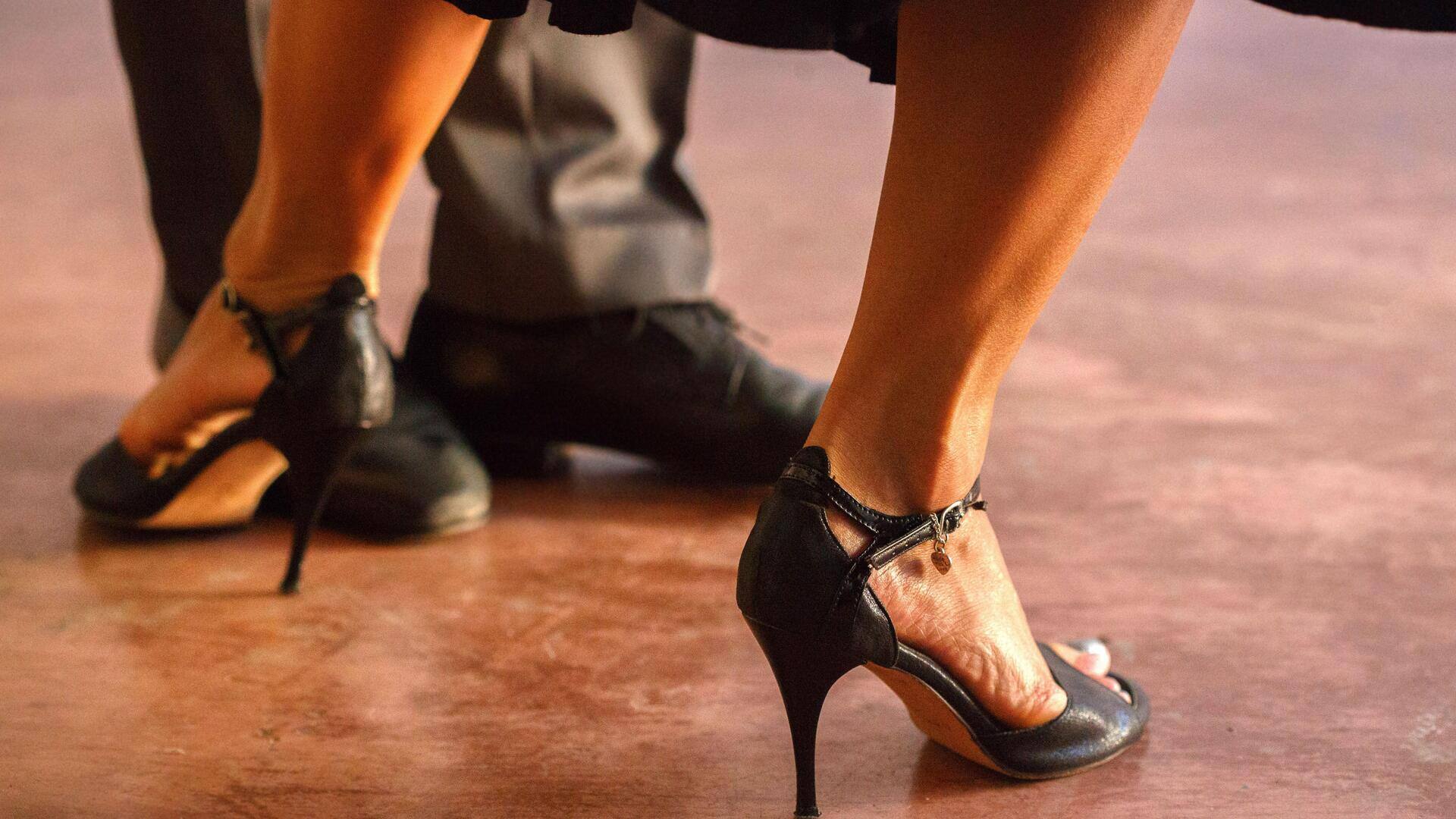
Skipping or dancing: Which improves your stamina?
What's the story
Skipping and dancing are two popular activities that can help improve your stamina. Both are fun, engaging, and can be done almost anywhere. They also offer a great cardiovascular workout, which is essential for building endurance. While skipping involves rhythmic jumping with a rope, dancing includes a variety of movements to music. Here's a look at how each activity can help boost your stamina.
#1
Cardiovascular benefits of skipping
Skipping is a high-intensity workout that raises the heart rate quickly.
It improves cardiovascular health by enhancing blood circulation and increasing lung capacity.
Regular skipping sessions can improve your heart's efficiency in pumping blood, which is essential for stamina.
Studies indicate that just 10 minutes of skipping can be as effective as 30 minutes of jogging in terms of calorie burn and cardiovascular benefits.
#2
Dancing for endurance enhancement
Dancing is another great way to build endurance, as it involves continuous movement and coordination.
Different dance styles, like salsa or hip-hop, require different levels of intensity and energy expenditure.
Dancing regularly can improve muscle tone and flexibility, while also boosting aerobic capacity.
The social aspect of dancing also makes it more enjoyable, which encourages people to stick with it over time.
#3
Caloric burn comparison
Both skipping and dancing are effective at burning calories, but the amount varies depending on the intensity and duration of the activity.
On average, skipping burns about 200 calories in 20 minutes at a moderate pace.
Meanwhile, dancing at a moderate intensity burns around 150 calories in the same time frame.
This makes both activities viable options for those looking to manage their weight while improving stamina.
Tip 1
Accessibility and cost-effectiveness
One of the best things about skipping and dancing is that they are both accessible and inexpensive.
All you need for skipping is a rope, which costs very little, and you can do it indoors or outdoors without any special equipment or facilities.
Dancing requires no equipment other than music, making it easy to practice at home or join classes at varying price points according to preference or budget constraints.