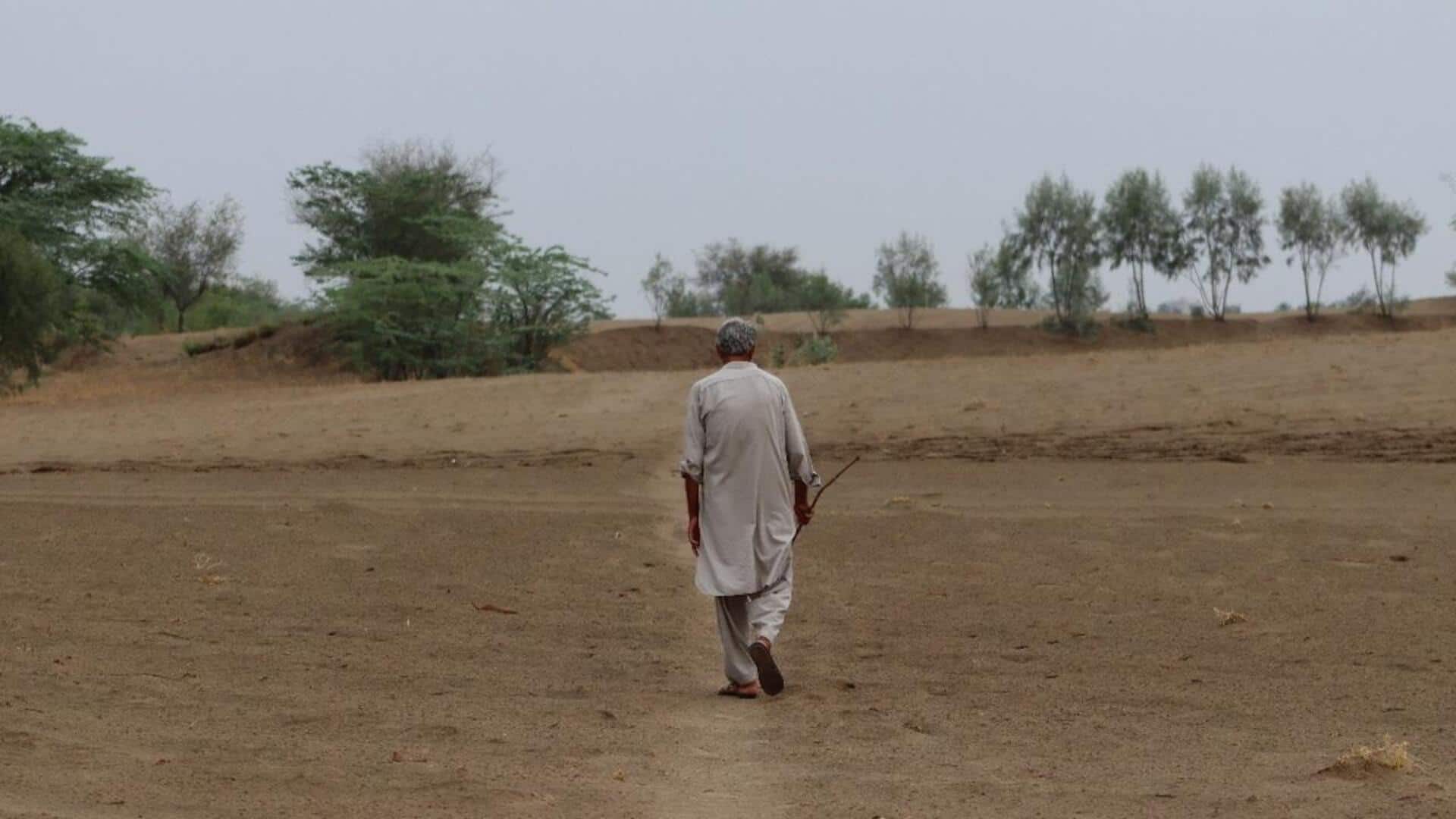
Water crisis in Maharashtra: 265 of 358 talukas declared drought-affected
What's the story
Maharashtra is facing a severe water crisis as it enters the post-monsoon season. The state has declared 265 out of 358 talukas drought-affected, with major parts of Marathwada, Vidarbha, northern Maharashtra, and some areas in western and Konkan regions being affected. The situation is worrying due to not just the amount of rain received but also when it came and the long dry spells in between.
Agricultural crisis
Rainfall deficit and crop impact
Maharashtra recorded a 19% rainfall deficit between June and September, impacting crops.
While some areas received better rainfall, Marathwada and Vidarbha saw significant deficits.
The region's eight districts received only two-thirds of normal monsoon rainfall, putting reservoirs and groundwater under pressure.
Latur district was particularly hard hit, with rainfall at about half the normal level.
Water scarcity
Livestock and drinking water concerns
The drought has also turned into a livestock crisis as grasslands dry up and fodder becomes scarce. Farmers are worried about keeping their cattle alive during the dry season.
The focus is now on drinking water supplies as several villages seek tanker supplies due to drying wells. Authorities are preparing contingency plans for potential drinking-water shortages in the coming months.
Economic strain
Reservoir levels and financial pressure on families
At the end of September, Maharashtra's reservoirs were at about 75% capacity, down from 88% last year.
In Chhatrapati Sambhajinagar division, reservoir storage was only around 45%. This means less water in reserve for the dry season.
The drought also puts financial pressure on families who may have to buy water or travel farther for supplies.
Relief efforts
Government measures and challenges
The drought declaration has led to measures aimed at minimizing the impact on rural communities. Relevant authorities have been directed to assess crop damage and arrange tankers where necessary.
However, implementation remains a challenge as farmers prepare for the Rabi season, with soil moisture and irrigation water availability being key factors.
The crisis underscores a larger problem of unpredictable rainfall patterns complicating water management in Maharashtra.