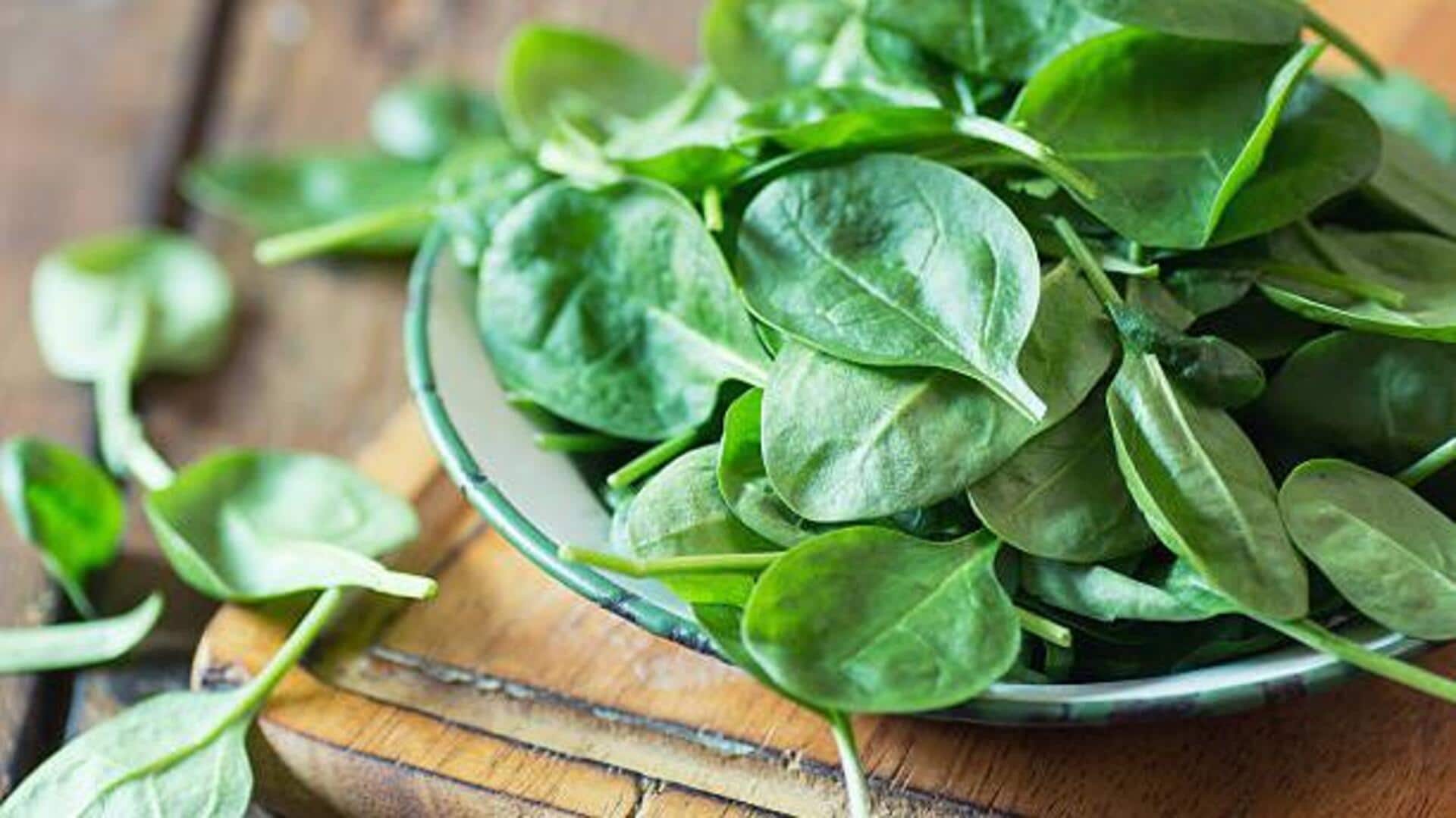
Does spinach really make you strong?
What's the story
Spinach has long been associated with strength, thanks to popular culture and some misconceptions. The leafy green is often touted as a powerhouse of nutrients that can make you strong, just like Popeye. But what does science say about spinach's role in building strength? This article delves into the nutritional profile of spinach and its actual contribution to strength, separating fact from myth.
#1
Nutritional profile of spinach
Spinach is loaded with vitamins and minerals, including vitamin A, vitamin C, vitamin K, iron, and calcium. These nutrients are essential for overall health, but they do not directly contribute to muscle strength. While iron is important for transporting oxygen in the blood, the amount of iron in spinach is not as readily absorbed as that from animal sources.
#2
Protein content in spinach
Protein is essential for muscle repair and growth. However, spinach has a relatively low protein content compared to other sources, such as legumes or dairy products. A cup of cooked spinach has around five grams of protein. While it can contribute to your daily intake, it will not significantly impact muscle building on its own.
#3
Antioxidants and their benefits
Spinach is rich in antioxidants like lutein and zeaxanthin, which protect cells from damage caused by free radicals. These antioxidants promote overall health by reducing inflammation and oxidative stress. While they do not directly enhance strength, they support recovery processes after exercise by keeping your cells healthy.
Tip 1
The role of iron absorption
Iron from plant sources like spinach is non-heme iron, which is less efficiently absorbed by the body than heme iron from animal sources. To improve absorption from spinach, pair it with vitamin C-rich foods like citrus fruits or bell peppers. This combination can enhance non-heme iron absorption, but it still will not make spinach a primary source for meeting high iron needs alone.