Squash v/s rock climbing: Which improves your balance better?
What's the story
Squash and rock climbing are two popular sports that emphasize balance, agility, and coordination. While both activities provide unique physical challenges, they also help improve balance in different ways. In this article, we will explore how each sport contributes to enhancing balance skills. By understanding the distinct benefits of squash and rock climbing, enthusiasts can make informed choices about which activity might best suit their fitness goals.
#1
Dynamic movements in squash
Squash involves quick lateral movements, sudden stops, and rapid changes in direction.
These dynamic actions require players to maintain their center of gravity while moving at high speeds.
The constant need to adjust one's position helps improve proprioception—the body's ability to sense its position in space.
Regular play can enhance muscle coordination and stability, contributing significantly to overall balance.
#2
Engaging core muscles in climbing
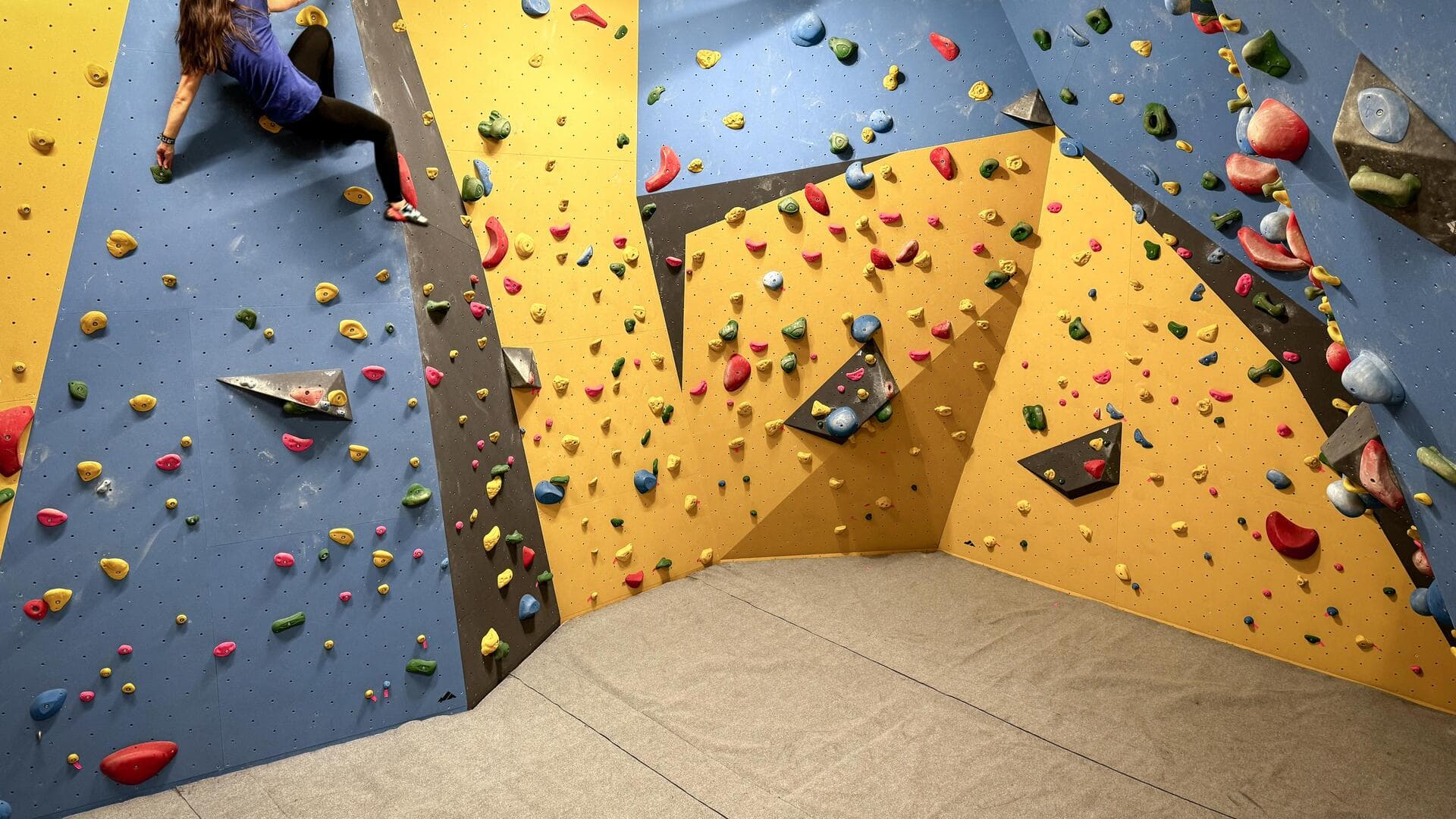
Rock climbing demands a lot of core engagement to keep the body stable on uneven surfaces.
Climbers need to use their core muscles to stay balanced while reaching for holds at different heights and angles.
This not only strengthens the core but also improves the body's overall ability to maintain balance under varying conditions.
The focus on core strength makes rock climbing an excellent way to boost postural control.
#3
Footwork precision in squash
In squash, precise footwork is key to getting to the ball quickly and returning it accurately.
Players need to be nimble on their feet, making quick adjustments as they move around the court.
This emphasis on footwork precision helps develop agility and coordination, which are essential components of good balance.
Practicing these skills regularly can lead to noticeable improvements in one's ability to stay balanced during fast-paced activities.
#4
Overcoming vertical challenges in climbing
Rock climbing presents climbers with vertical challenges that require careful planning and execution of movements.
Climbers must assess each hold's stability before proceeding, while keeping themselves balanced against gravity's pull.
This mental aspect adds another layer of complexity that sharpens both physical and mental balancing skills over time through repeated exposure under varying circumstances encountered during climbs.