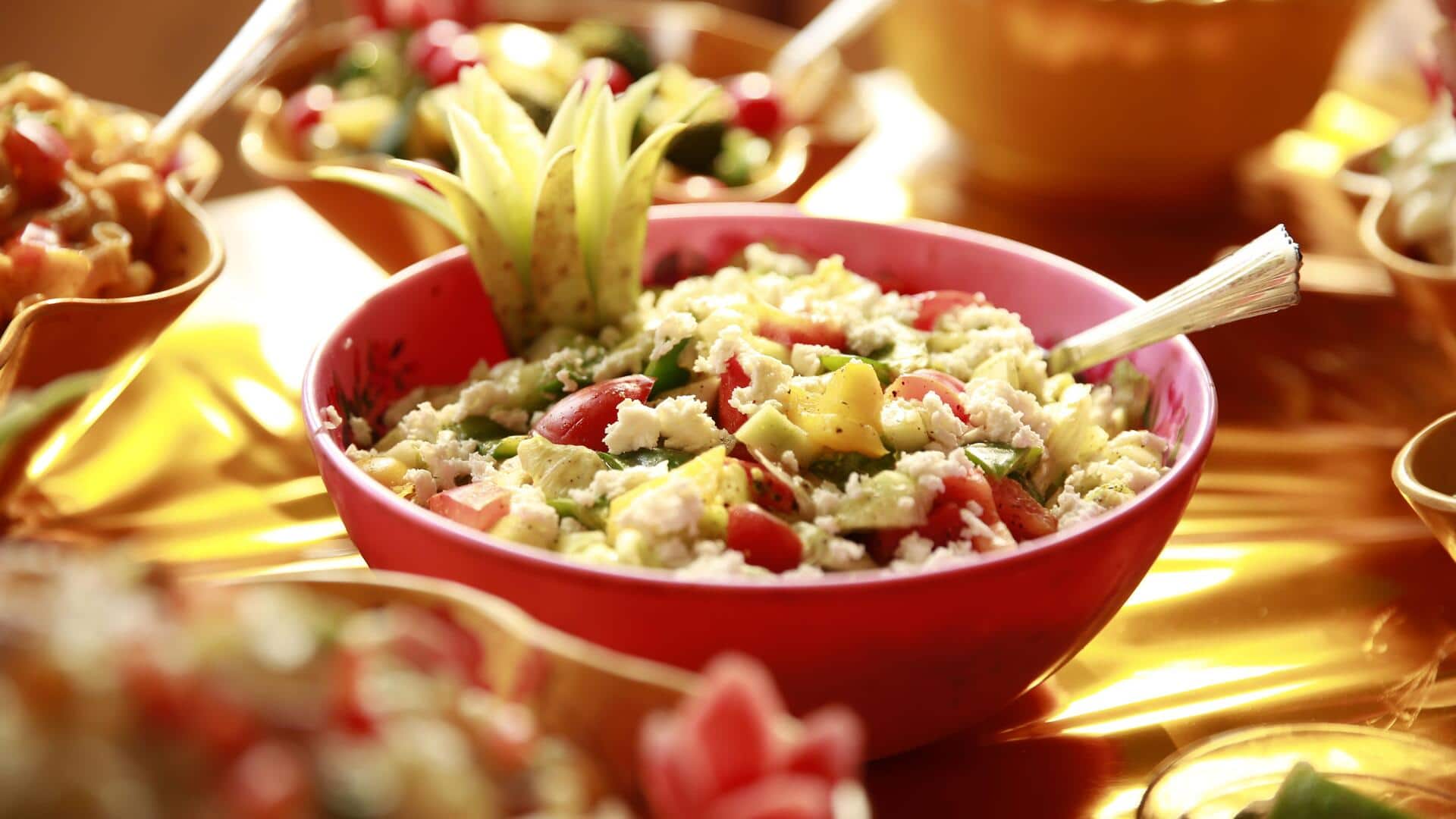
These sabudana breakfast dishes are worth trying
What's the story
Sago pearls, a staple in many Indian breakfasts, are loved for their versatility and ease of preparation. These tiny pearls are made from the starch of sago palms and are used in a variety of dishes across the country. From sweet to savory, sago pearls can be transformed into delightful breakfast options that are both filling and nutritious. Here are some popular Indian breakfast dishes made with sago pearls.
Dish 1
Sabudana khichdi: A savory delight
Sabudana khichdi is a popular dish during fasting days, but it is also a regular breakfast choice in many Indian households.
The dish is made by soaking sago pearls overnight and cooking them with potatoes, peanuts, green chilies, and spices.
The result is a flavorful mix that is both light and filling.
It is usually garnished with fresh coriander leaves and served hot with yogurt or chutney.
Dish 2
Sabudana vada: Crispy snack
Sabudana vada is another popular breakfast option that has a crispy texture and spicy flavor.
To make this dish, soaked sago pearls are mixed with mashed potatoes, crushed peanuts, green chilies, and spices, before shaping them into patties and deep-frying them until golden brown.
These vadas are usually served with tangy chutneys or yogurt for added taste.
Dish 3
Sabudana payasam: Sweet morning treat
For those who prefer sweet breakfasts, sabudana payasam is an ideal choice.
To prepare this dish, sago pearls are cooked in milk until they become translucent. Sugar is added, along with cardamom powder, for flavoring.
The payasam can be garnished with nuts like almonds or cashews for an added crunch.
This creamy dessert-like breakfast is perfect for anyone with a sweet tooth.
Tip
Tips for preparing perfect sago dishes
To ensure perfect texture while preparing any sago-based dish, soak the pearls properly before cooking.
Soak them for at least four hours, or overnight if possible.
This way, they absorb enough water to cook evenly, without turning mushy when prepared later on.