5 earth-friendly materials for a beautiful home
What's the story
Creating a sustainable home can be both rewarding and challenging. With the right materials, you can make your living space eco-friendly without compromising on style or comfort. Here are five innovative materials that can help you achieve a sustainable home. Each material offers unique benefits and contributes to reducing environmental impact while enhancing the aesthetic appeal of your home.
#1
Bamboo: A versatile choice
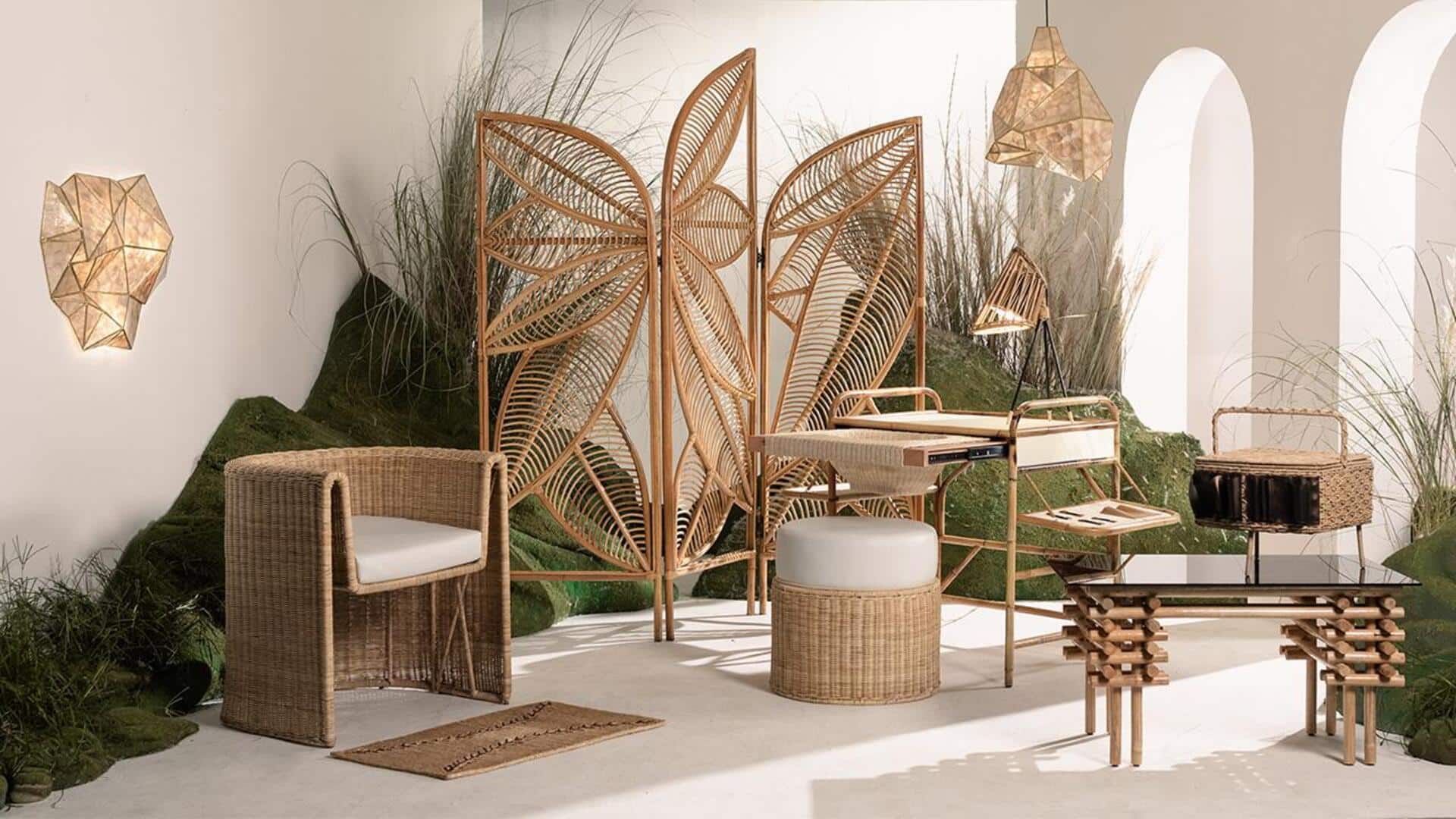
Bamboo is famous for its versatility and rapid growth rate, making it an ideal sustainable material.
It can be used in flooring, furniture, and even decorative elements.
Bamboo's natural strength makes it durable, while its lightweight nature makes it easy to work with.
Plus, bamboo absorbs carbon dioxide as it grows, making it an eco-friendly option for reducing your carbon footprint.
#2
Recycled glass: A stylish solution
Recycled glass is an elegant yet sustainable choice for various applications like countertops, tiles, and decorative pieces.
By repurposing glass waste, we reduce the need for new raw materials and energy consumption in manufacturing processes.
Recycled glass also offers a unique aesthetic with its varied colors and textures, giving your home a touch of sophistication while being environmentally conscious.
#3
Cork: Natural insulation material
Cork is harvested from the bark of cork oak trees without harming them, making it a renewable resource.
It is an excellent insulator that helps regulate indoor temperatures by keeping homes warm in winters and cool in summers. This reduces the reliance on heating or cooling systems, thus saving energy costs over time.
Cork's natural properties also make it resistant to mold and mildew.
#4
Reclaimed wood: Timeless appeal
Reclaimed wood adds a rustic charm to any home while promoting sustainability. It repurposes old timber instead of cutting down new trees.
From flooring to beams or furniture pieces, reclaimed wood brings character. It features unique grain patterns developed over years of use or exposure to the elements.
This approach also helps reduce deforestation rates. It is used instead of newly sourced lumber products.
#5
Straw bale: Eco-friendly insulation
Straw bale construction offers excellent insulation properties at a low cost compared to traditional building materials like bricks or concrete blocks.
Straw bales are compacted tightly together during wall construction, creating an airtight seal that minimizes heat loss during colder months and keeps interiors cooler when temperatures rise outside.
This method significantly reduces energy consumption, making it an ideal choice for eco-conscious homeowners looking to build sustainably.