How African villages are embracing sustainable living
What's the story
African villages are increasingly embracing sustainable living by adopting eco-friendly alternatives to common household items. These swaps not only help reduce environmental impact but also promote resourcefulness and creativity within communities. By making simple changes, villagers can significantly contribute to environmental conservation while enjoying the benefits of cost-effective and sustainable solutions. Here are some practical eco-friendly swaps that can be easily integrated into daily life in African villages.
Solar lighting
Use solar lamps instead of kerosene lamps
Switching from kerosene lamps to solar lamps can drastically reduce carbon emissions and improve indoor air quality.
Solar lamps are charged during the day and provide bright, clean light at night, without the harmful effects of kerosene fumes.
They are also cost-effective in the long run, as they require minimal maintenance and no ongoing fuel costs.
Bamboo Hygiene
Opt for bamboo toothbrushes over plastic ones
Plastic toothbrushes contribute significantly to plastic waste, as they are not biodegradable.
Bamboo toothbrushes, on the other hand, are a sustainable alternative, as bamboo is a fast-growing plant that requires little water to grow.
They decompose naturally, and reduce plastic pollution in landfills and oceans.
Woven storage
Replace plastic bags with woven baskets
Plastic bags have become a menace to our environment, polluting our landscapes and oceans.
Woven baskets, made from locally sourced materials such as palm leaves or sisal, make for a sturdy and sustainable alternative.
These baskets not only help in reducing plastic waste but also support local artisans and preserve traditional craftsmanship.
Natural cleansing
Choose natural soap over commercial products
Commercial soaps are often loaded with chemicals that can be harmful to the environment and human health.
Natural soaps, made from ingredients such as shea butter or coconut oil, provide an eco-friendly alternative.
They are biodegradable and do not pollute water sources when washed away.
Water conservation
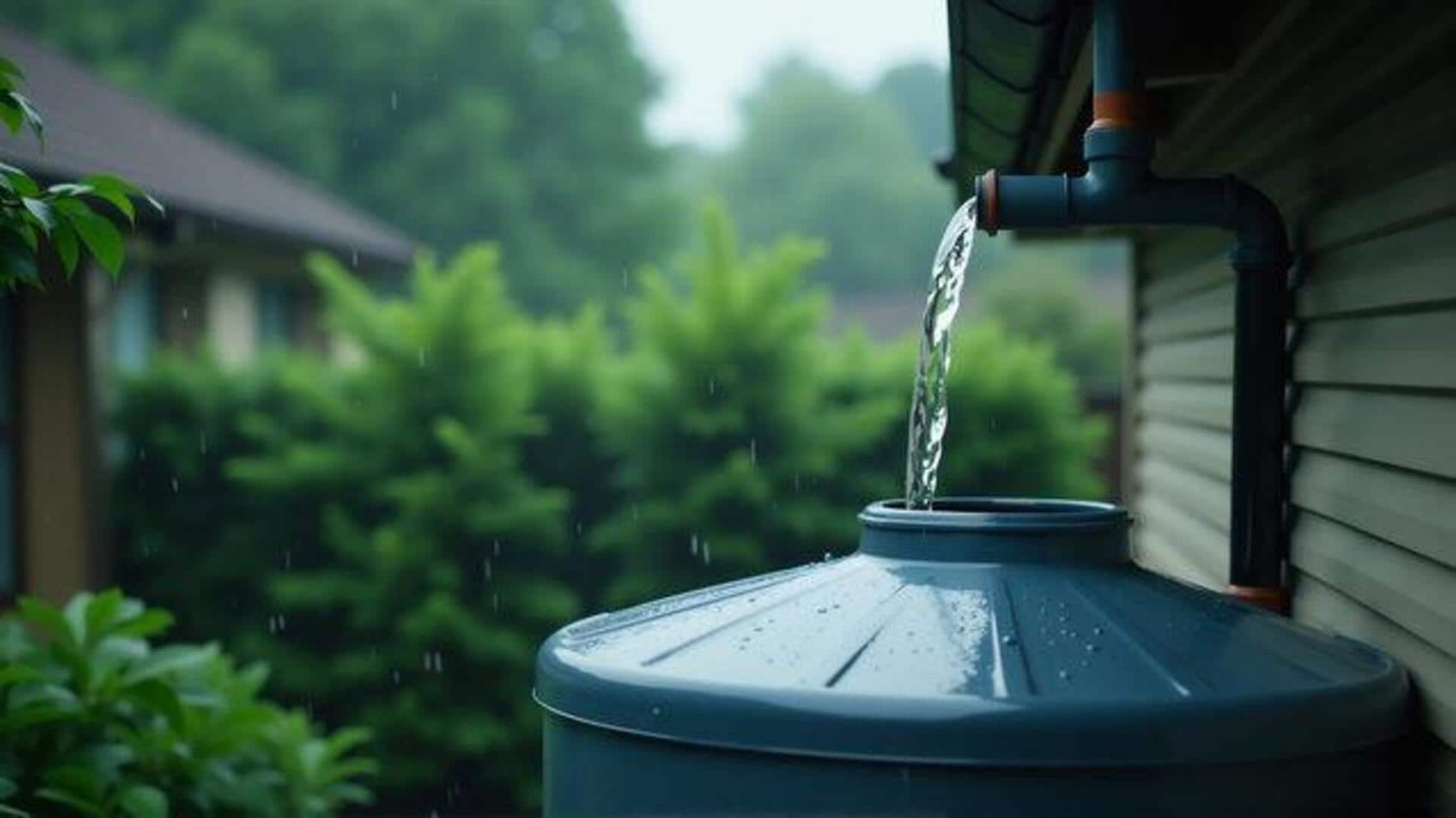
Embrace rainwater harvesting systems
Rainwater harvesting systems provide an effective way to conserve water in areas where clean water is scarce.
By collecting rainwater from rooftops into storage tanks, households can have a reliable source of water for drinking, cooking, and cleaning purposes, without putting additional strain on local water resources.