Table tennis v/s carrom: Which improves reflexes faster?
What's the story
Table tennis and carrom are two popular games that demand quick reflexes and sharp concentration. While both games are fun, they also offer unique benefits when it comes to improving reflexes. Here, we take a look at the differences between table tennis and carrom in terms of how they help improve your reflexes. Let's see how each game contributes to your physical and mental agility.
#1
Fast-paced action of table tennis
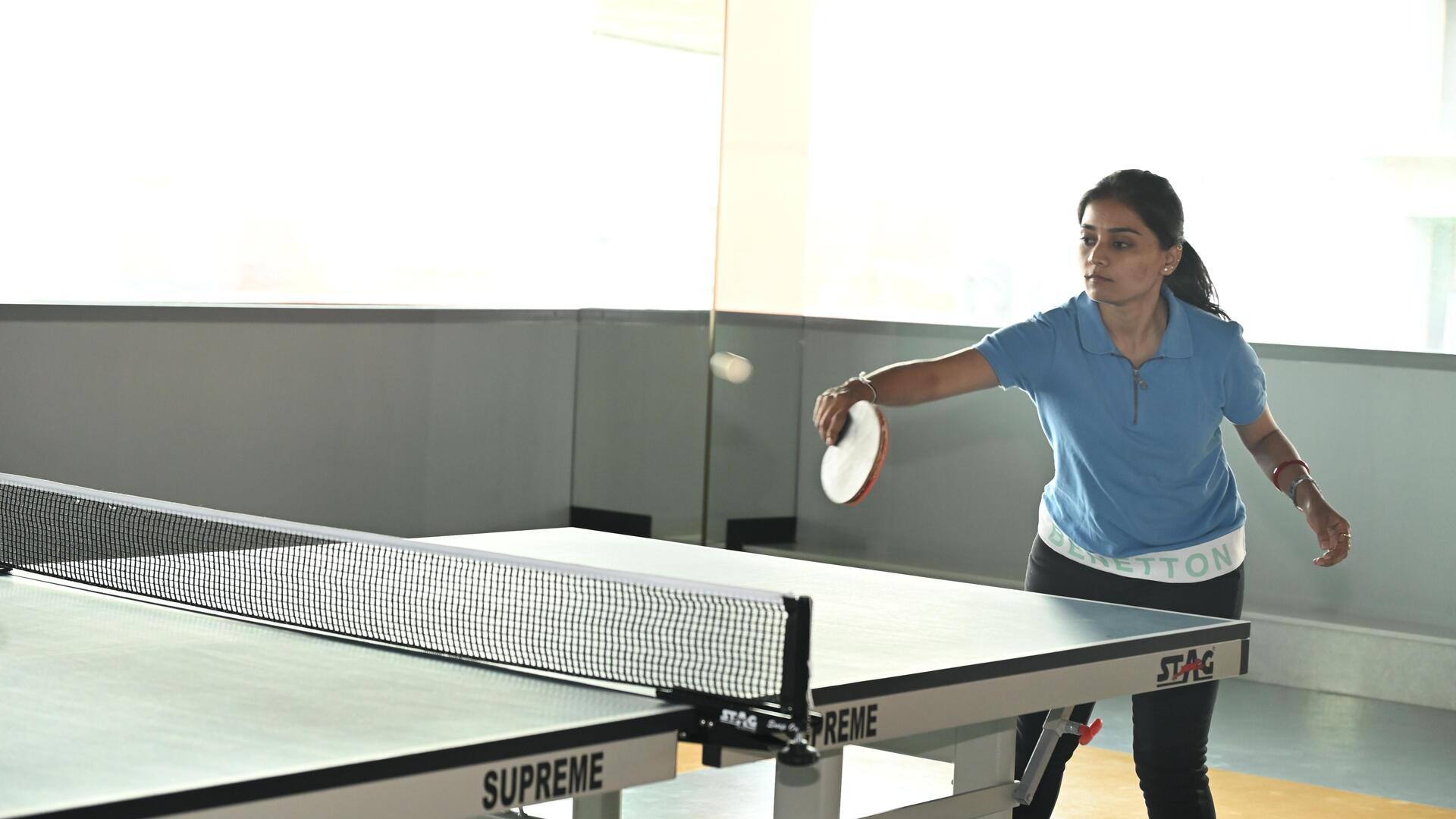
Table tennis is known for its fast-paced action, with players having to react within split seconds.
The game demands quick footwork and hand-eye coordination as players hit a lightweight ball back and forth across a table.
The speed of the game requires constant alertness, which can help improve reaction times significantly.
Regular play can enhance your ability to process visual information quickly, making it an excellent choice for reflex training.
#2
Strategic thinking in carrom
While carrom may not be as fast-paced as table tennis, it requires strategic thinking and precision.
Players need to plan their shots carefully, considering angles and force.
This strategic element keeps the mind engaged, improving cognitive reflexes alongside physical ones.
The need for careful planning means players develop patience and foresight, which are equally important for quick decision-making in real-life situations.
#3
Physical benefits of playing table tennis
Playing table tennis regularly offers several physical benefits that contribute to better reflexes.
The constant movement involved in the game improves cardiovascular health and increases stamina.
Moreover, the quick changes in direction during play enhance agility and coordination skills.
These physical benefits directly translate into improved reaction times when faced with unexpected challenges outside the game.
Tip 1
Mental agility from playing carrom
Carrom enhances mental agility by requiring players to focus on multiple aspects at once—like positioning of pieces on the board or predicting opponents' moves—while executing precise shots with controlled force.
This dual focus trains your brain to process information quickly under pressure situations outside gaming contexts too!