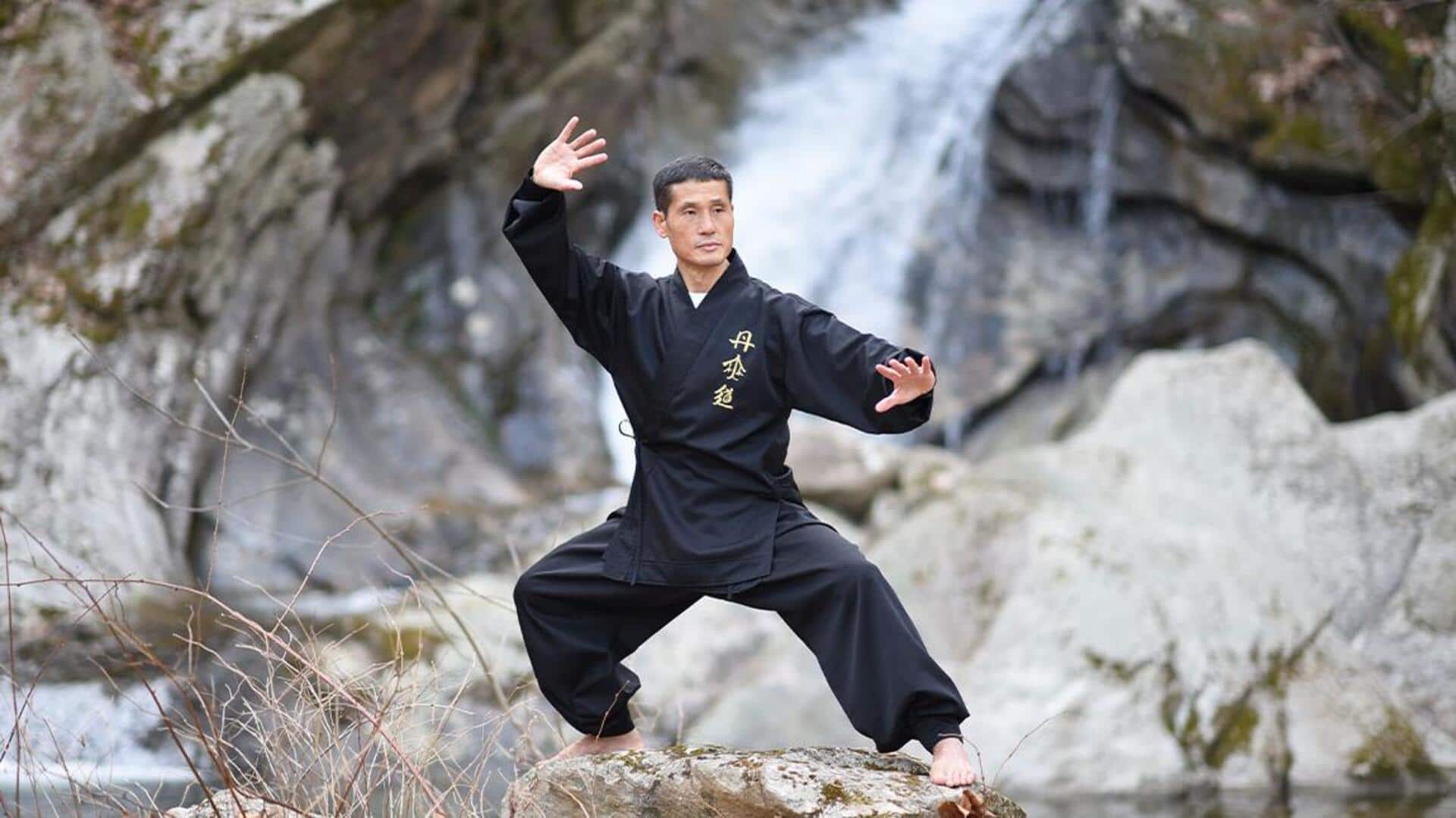
Is tai chi or walking a better exercise for you?
What's the story
Tai chi and walking are two popular exercises that are often recommended for improving balance. Both have their unique benefits and can be easily incorporated into daily routines. While tai chi is a form of martial arts known for its slow, deliberate movements, walking is a simple aerobic exercise that most people can perform without special equipment. Here is a look at how each of these exercises helps improve balance.
#1
Tai chi's slow movements
Tai chi involves performing a series of slow, controlled movements that require concentration and focus.
This practice helps strengthen the muscles and improve coordination by engaging multiple muscle groups at once.
The gentle nature of tai chi makes it accessible to people of all ages and fitness levels.
Regular practice can enhance proprioception—the body's ability to sense its position in space—which is crucial for maintaining balance.
#2
Walking's rhythmic benefits
Walking is one of the simplest forms of exercise that can be done almost anywhere.
It promotes cardiovascular health while also strengthening lower-body muscles, such as calves, thighs, and hips.
The rhythmic nature of walking helps improve gait stability and reduces the risk of falls by enhancing the body's ability to adapt to changes in terrain.
Plus, walking regularly can boost overall endurance and energy levels.
#3
Social interaction in group classes
Participating in group tai chi classes also offers social interaction, which can positively impact mental health.
The communal environment encourages participants to share experiences and support each other on their fitness journeys.
Socializing during exercise sessions not only makes the activity more enjoyable but also motivates individuals to stick with their routines over time.
#4
Accessibility of walking routines
One major advantage of walking is its accessibility; it requires no special equipment or facilities beyond comfortable shoes.
People can tailor their walking routines according to personal preferences regarding pace or distance covered each day.
This flexibility makes it easier for individuals with busy schedules or varying fitness levels to incorporate regular physical activity into their lives without much hassle.