Tinga Tinga: All about this Tanzanian art form
What's the story
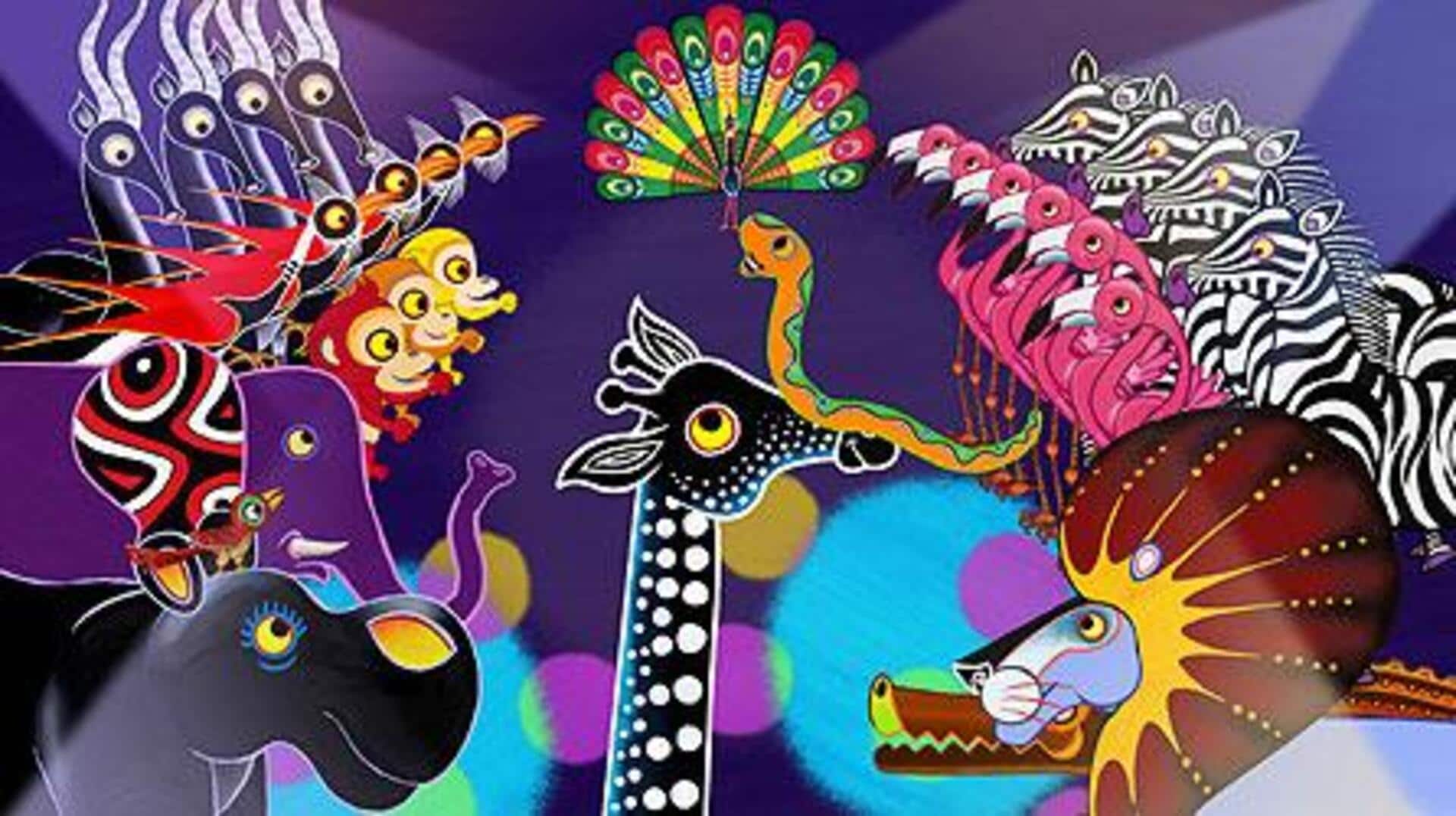
Tinga Tinga art, the vibrant and colorful Tanzanian painting style, is now being reimagined through the lens of pop art. This fusion not only preserves the cultural heritage but also brings a fresh perspective to it. By blending traditional Tinga Tinga elements with modern pop art techniques, artists are creating unique pieces that resonate with both local and global audiences. Here is how this artistic transformation is taking place.
#1
The origins of Tinga Tinga art
Tinga Tinga art originated in Tanzania in the late 1960s. It was started by Edward Saidi Tingatinga, who used to paint with bicycle paint on canvas.
The style is characterized by bright colors, bold patterns, and often depicts animals and everyday life.
This art form quickly gained popularity for its unique aesthetic and storytelling ability. Today, it remains a significant part of Tanzania's cultural identity.
#2
Pop art influences on Tinga Tinga
The influence of pop art has brought a new dimension to traditional Tinga Tinga paintings.
Artists now incorporate elements like comic strips, advertisements, and popular culture references into their work.
This blend creates a dialogue between traditional African art and contemporary global trends.
The result is a vibrant fusion that appeals to diverse audiences while maintaining the essence of Tinga Tinga's storytelling.
#3
Techniques used in modern adaptations
Modern adaptations of Tinga Tinga use various techniques borrowed from pop art.
These include bold lines, flat colors, repetitive patterns, and sometimes mixed media.
Artists experiment with different materials like acrylics or digital tools to enhance their creations.
The use of these techniques allows for greater expression while preserving the core characteristics of traditional Tinga Tinga.
#4
Impact on local communities
The fusion of Tinga Tinga with pop art has positively impacted local communities in Tanzania. It has opened up new avenues for artists to showcase their work internationally at galleries and exhibitions.
This exposure has increased demand for authentic pieces, providing economic opportunities for creators.
It also fosters cultural exchange by introducing global audiences to this unique artistic heritage.