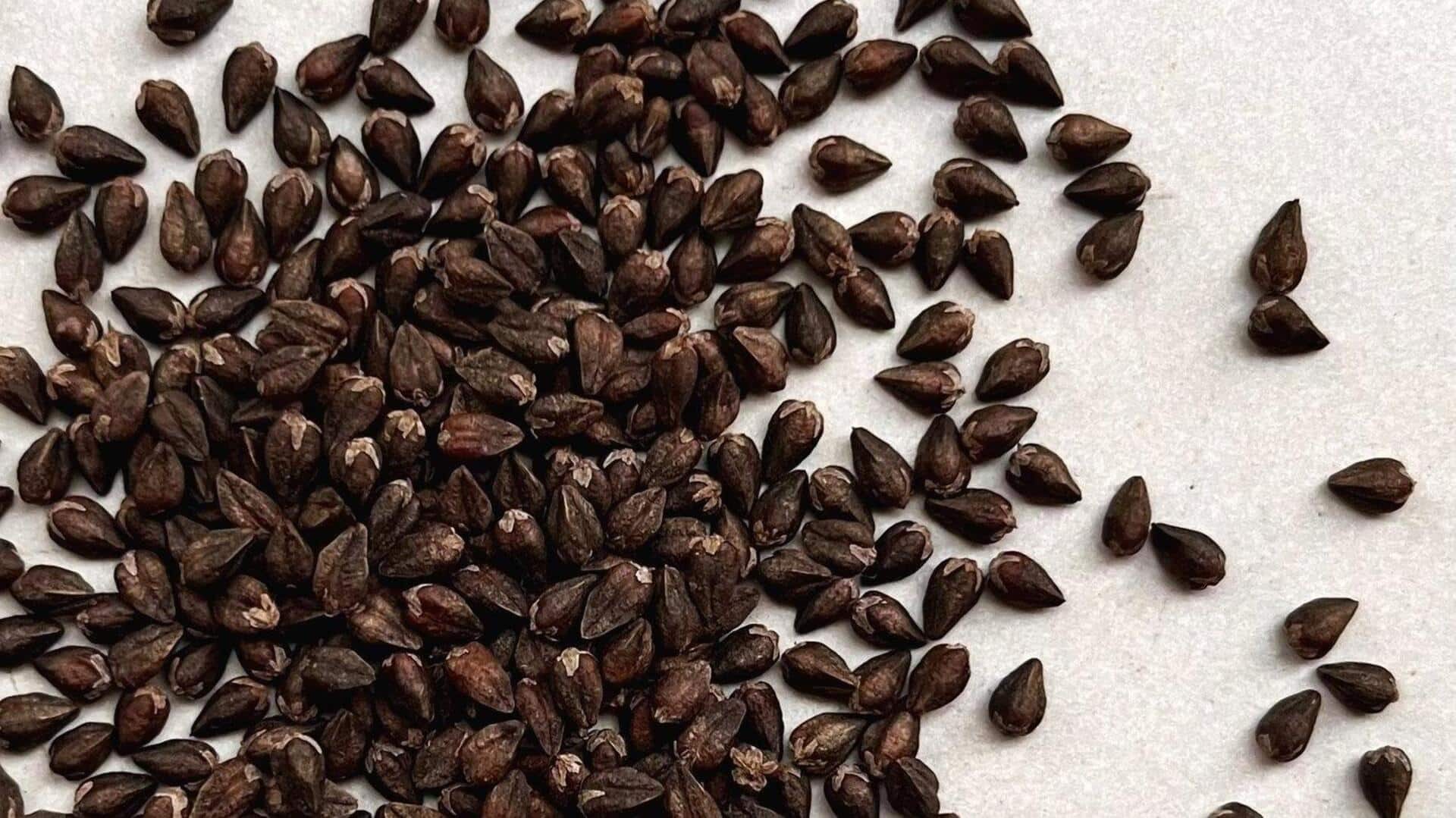
Tartary buckwheat: Why it's good for your health
What's the story
Tartary buckwheat, a lesser-known cousin of common buckwheat, is gaining attention for its health benefits. This grain, which is often overlooked, is packed with nutrients that can contribute to a balanced diet. Known for its resilience in harsh climates, tartary buckwheat offers more than just adaptability. Its unique composition makes it a potential superfood for those looking to diversify their nutritional intake.
#1
Rich source of antioxidants
Tartary buckwheat is loaded with antioxidants, which are essential for fighting oxidative stress in the body.
These antioxidants can help reduce inflammation and lower the risk of chronic diseases.
The presence of rutin, a powerful antioxidant, makes tartary buckwheat stand out.
Rutin has been studied for its potential to improve cardiovascular health by strengthening blood vessels and improving circulation.
#2
High fiber content
The fiber content in tartary buckwheat is also impressive.
Fiber is essential for maintaining digestive health and preventing constipation.
It also helps regulate blood sugar levels by slowing down the absorption of glucose into the bloodstream.
Including fiber-rich foods like tartary buckwheat in your diet can help you maintain a healthy weight by keeping you full longer.
#3
Gluten-free alternative
For those with gluten sensitivities or celiac disease, tartary buckwheat makes an excellent gluten-free alternative to wheat-based products.
Its versatility allows it to be used in various culinary applications without compromising on taste or texture.
This makes it an ideal choice for anyone looking to avoid gluten while still enjoying nutritious grains.
#4
Potential anti-diabetic properties
Research suggests that tartary buckwheat may have anti-diabetic properties owing to its low glycemic index and high fiber content.
These factors contribute to better blood sugar control and insulin sensitivity over time.
Incorporating this grain into meals could be beneficial for those managing diabetes or pre-diabetes conditions.