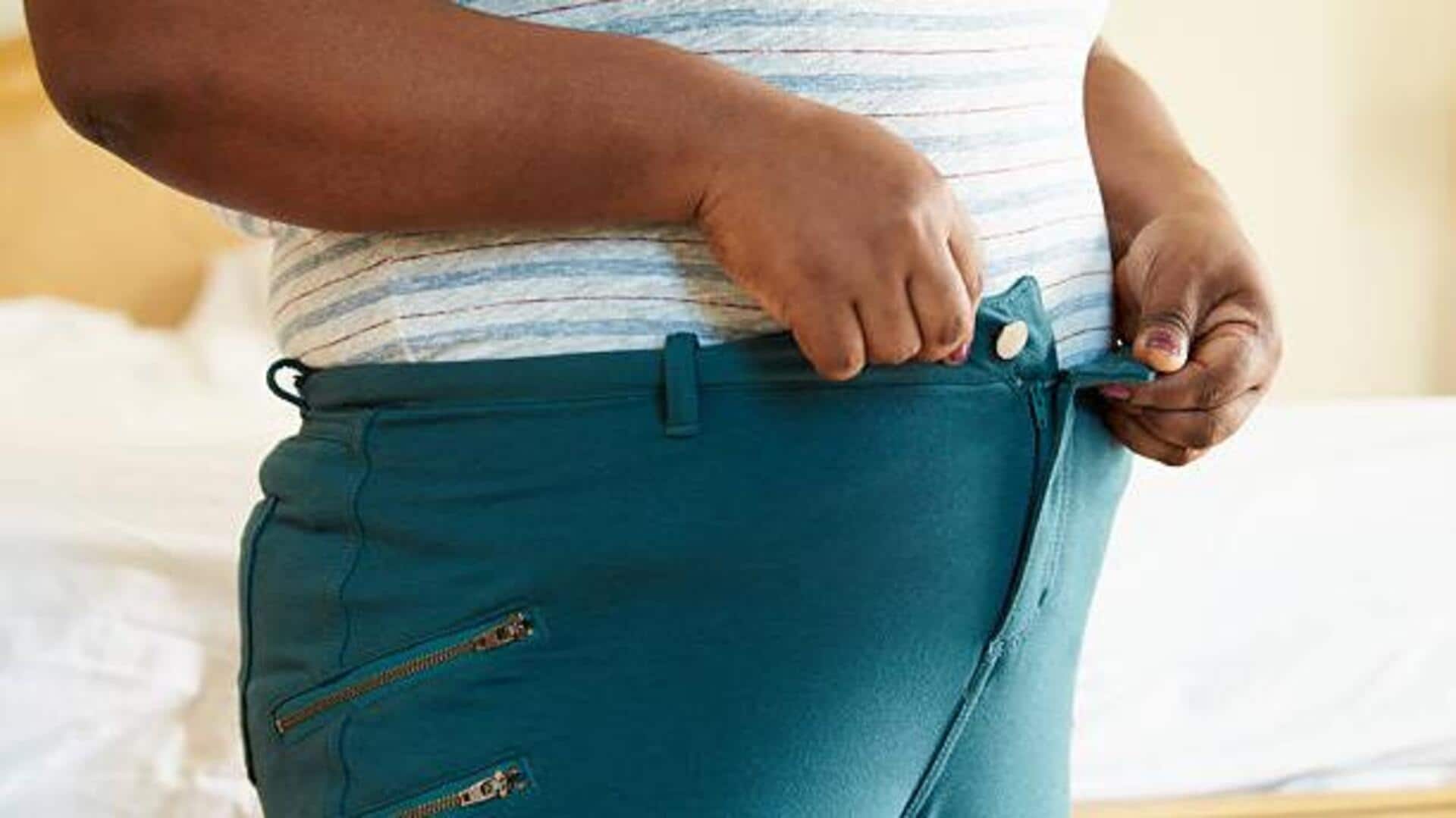
Does tight clothing affect your health?
What's the story
Tight clothing is often associated with various health concerns, but many of these are based on myths rather than facts. While some believe that wearing snug attire can lead to serious health issues, the reality is more nuanced. Understanding the difference between myth and fact can help individuals make informed choices about their wardrobe without unnecessary worry. Here are some common myths about tight clothing and the truths behind them.
Circulation concerns
Myth: Tight clothes cause varicose veins
One common belief is that tight clothing can cause varicose veins by restricting blood flow.
While it's true that prolonged pressure on certain areas may contribute to vein problems over time, tight clothes alone are not a direct cause.
Factors like genetics, age, and lifestyle play a much larger role in developing varicose veins.
Skin health
Myth: Tight clothing leads to skin infections
Another myth suggests that wearing tight clothes increases the risk of skin infections by trapping sweat and bacteria.
Although tight clothing can cause friction and irritation, which may lead to some skin issues, it doesn't directly cause infections.
Keeping good hygiene and wearing breathable fabrics when necessary can mitigate any potential risks.
Digestive health
Myth: Tight clothes affect digestion significantly
Many believe that tight clothing around the waistline can severely impact digestion by compressing the stomach and intestines.
While it may cause temporary discomfort after a large meal, there's little evidence to suggest it has any long-term effects on digestive health.
Eating smaller meals or adjusting outfit choices during meals may be more effective for comfort.
Reproductive health
Myth: Tight clothing causes infertility
Some even claim that wearing tight pants or underwear can lead to infertility by raising temperatures in the groin area too much.
While high temperatures might affect sperm production temporarily, they don't cause permanent infertility issues in men or women.
Choosing appropriate undergarments for different activities could help maintain comfort without risking reproductive health.
Pain perception
Myth: Tight clothes lead to chronic pain
There's a widespread belief that consistently wearing tight clothes will lead to chronic pain conditions like fibromyalgia or arthritis over time.
However, there's no scientific evidence supporting this claim directly linking tight attire with chronic pain syndromes developing independently of other factors like genetics or previous injuries.