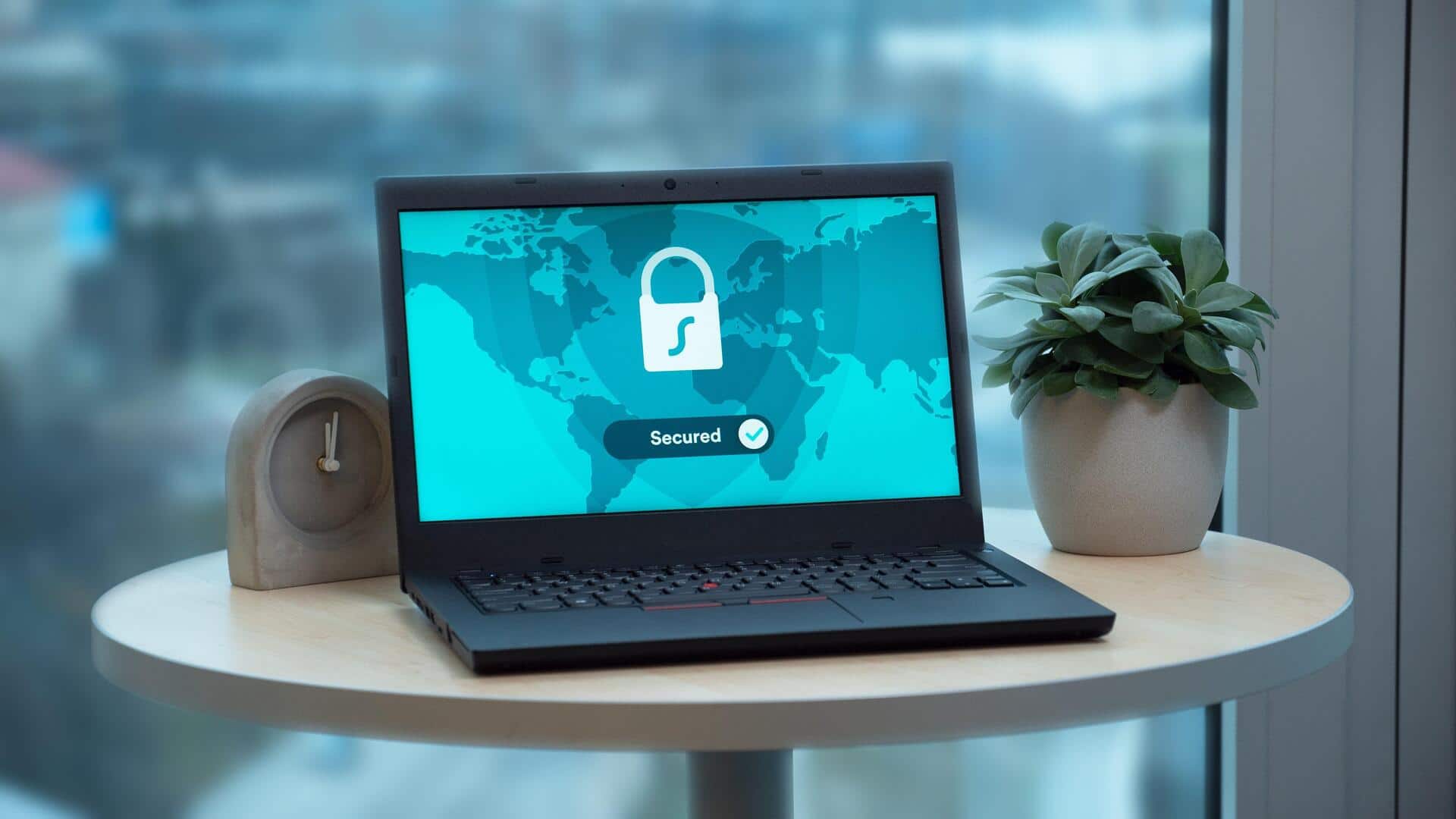
How to keep your cloud storage safe from hackers
What's the story
With the increasing reliance on cloud storage for personal and professional data, ensuring security has become paramount. Cloud storage provides convenience but also poses risks if not adequately protected. Here are five practical tips to enhance the security of your cloud storage, safeguarding your data from unauthorized access and potential breaches. By following these guidelines, you can enjoy peace of mind knowing your information is well-protected.
Tip 1
Use strong passwords and two-factor authentication
Creating strong passwords is the first step to securing your cloud storage.
Use a combination of letters, numbers, and special characters to create a complex password that's hard to guess.
Further, enable two-factor authentication (2FA) wherever possible.
This adds a layer of protection by requiring a second form of verification, such as a code sent to your phone, making it harder for unauthorized users to gain access.
Tip 2
Regularly update software and applications
Keeping your software and applications updated is critical to protecting your cloud storage.
Updates usually come with security patches that fix vulnerabilities hackers may exploit.
Enable automatic updates whenever possible, so you do not miss out on important fixes.
Regularly updating ensures that your devices have the latest protections against emerging threats.
Tip 3
Be cautious with shared access permissions
When sharing files or folders in the cloud, be mindful of the permissions you grant others.
Only give access to trusted individuals, and limit permissions to what is necessary for them to perform their tasks.
Regularly review shared access settings, and revoke permissions when they are no longer needed to minimize the risk of unauthorized access.
Tip 4
Encrypt sensitive data before uploading
Encrypting sensitive data before uploading it to the cloud adds an extra layer of security.
Encryption converts information into a code that can only be deciphered with a specific key or password.
Even if someone intercepts the data, they will not be able to read it without the decryption key, protecting your information from prying eyes.
Tip 5
Monitor account activity regularly
Regularly monitoring your account activity helps you detect any suspicious behavior early on.
Check login attempts, file changes, and other activities periodically.
If you notice anything unusual, take immediate action by changing passwords or revoking access permissions.
Continuous monitoring enables you to respond quickly to potential threats, reducing the risk of data compromise.