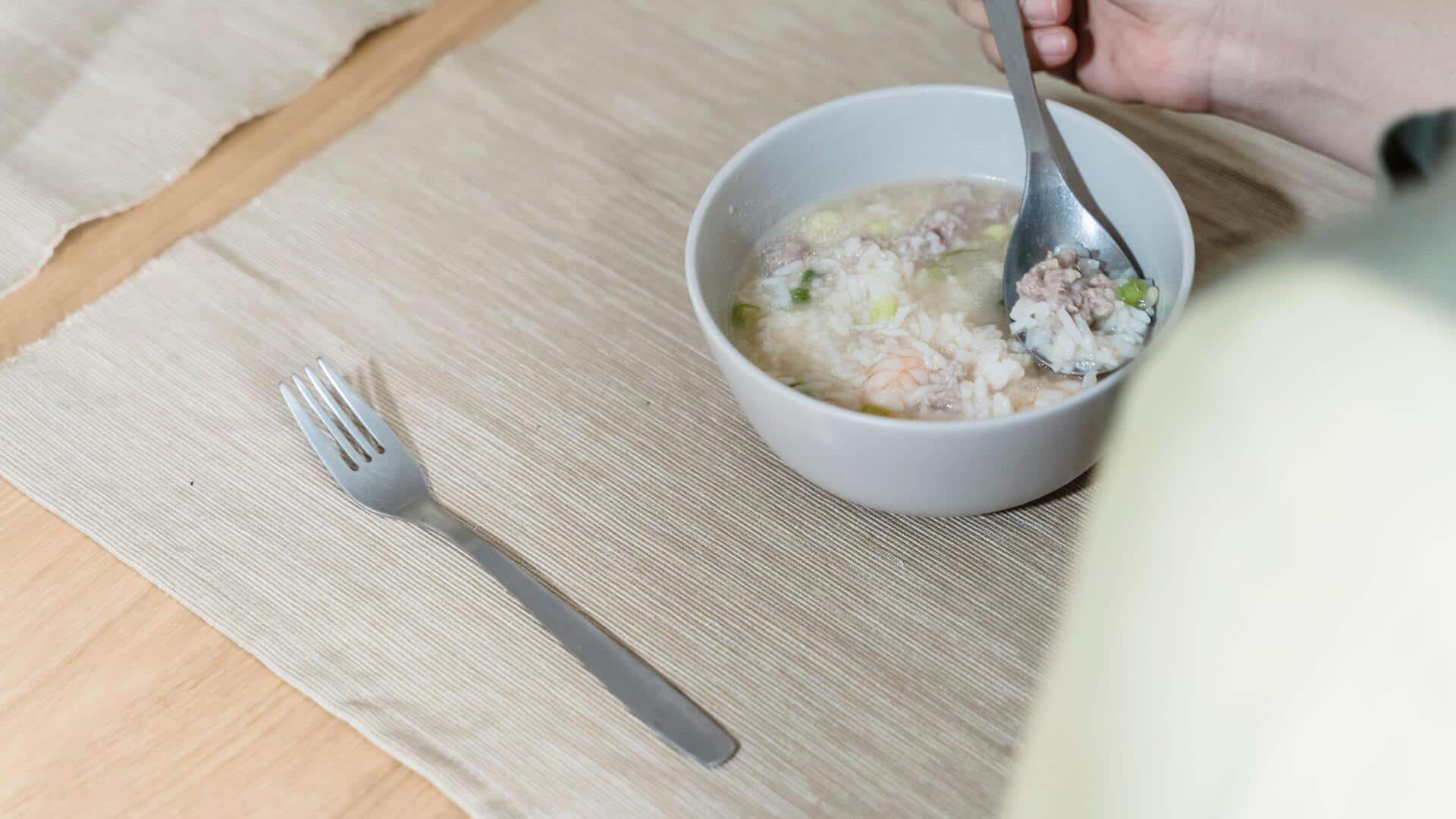
Dalia's rise from basic porridge to modern favorite
What's the story
Dalia, a humble cracked wheat, has come a long way from its ancient roots. Once a staple in the kitchens of early civilizations, it has evolved into a versatile ingredient used in various culinary creations across the globe. From being a basic porridge to a modern-day health food, Dalia's journey is fascinating. Here's how this ancient grain transformed over time and became popular for its nutritional benefits and adaptability.
#1
Ancient origins and early uses
Dalia dates back to ancient times when it was first cultivated in the Fertile Crescent.
Early societies relied on it as a staple food because of its long shelf life and ease of preparation.
It was mostly consumed as porridge or gruel, providing essential nutrients to sustain daily life.
Its versatility allowed it to be used in both sweet and savory dishes, making it a favorite among early cooks.
#2
Nutritional benefits boost popularity
In recent years, the nutritional benefits of dalia have gained immense popularity.
Rich in fiber, protein, vitamins, and minerals, it makes for an excellent choice for health-conscious people.
The high fiber content aids digestion and keeps blood sugar levels stable, making it ideal for weight management and diabetes control.
These health benefits have made dalia a favorite among modern diets.
#3
Culinary innovations with dalia
Today's chefs have embraced dalia's versatility by incorporating it into innovative recipes that go beyond traditional preparations.
From salads to pilafs, dalia can be found in an array of dishes that cater to diverse palates.
Its ability to absorb flavors makes it an excellent base for both spicy curries and sweet desserts alike.
#4
Global adaptations of dalia
As cultures around the world have embraced dalia, each has added its own unique twist to this ancient grain's preparation methods.
In India, for example, it is often cooked with vegetables or lentils for hearty meals, while Mediterranean regions may use olive oil and herbs for lighter fare.
This global adaptation highlights how versatile this simple ingredient truly is, transcending borders with ease.