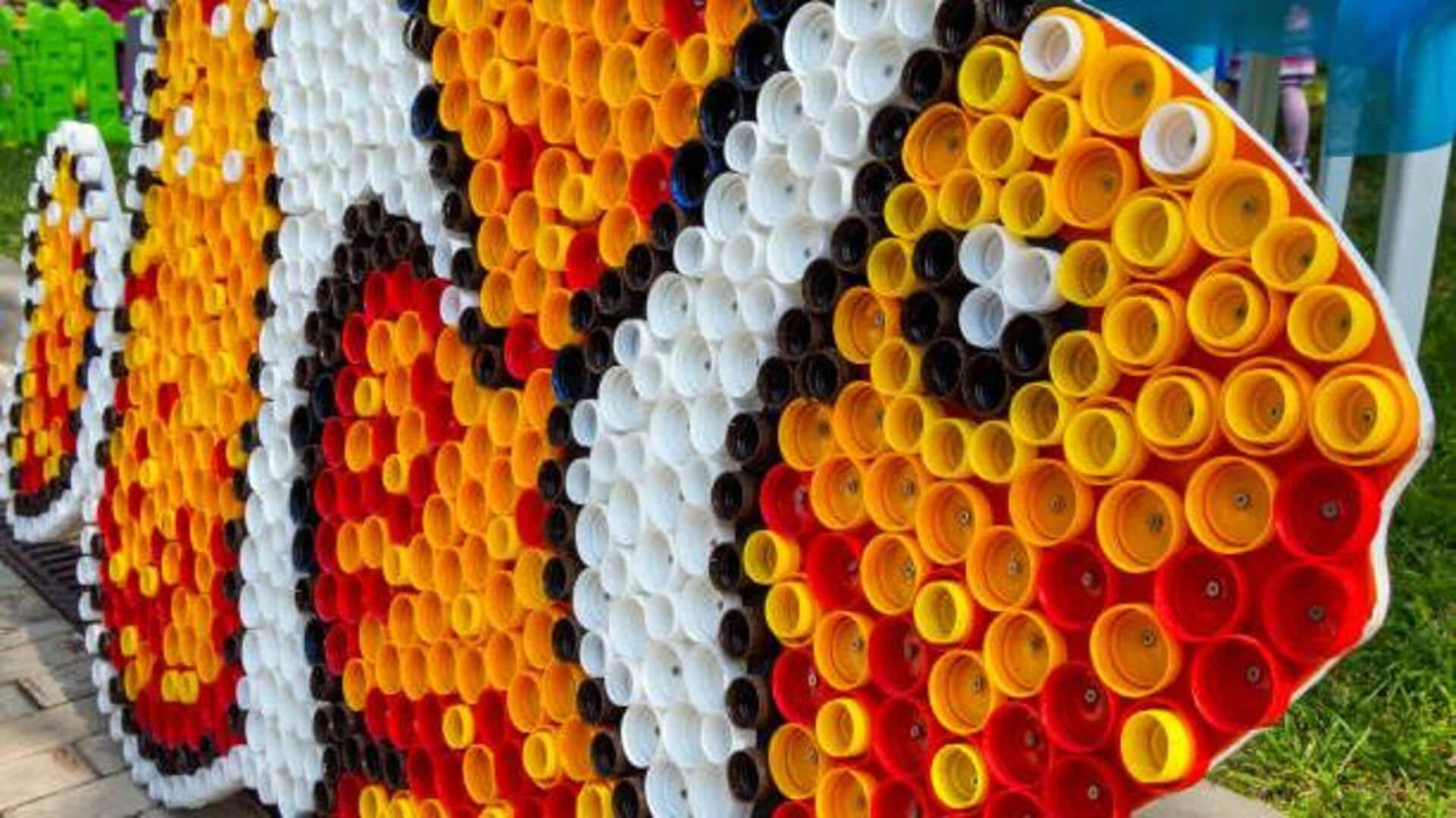
How to repurpose waste materials into art
What's the story
African wildlife sculptures are a beautiful blend of art and culture, representing the continent's rich biodiversity. These sculptures are often made from recycled materials, which not only promotes sustainability but also highlights the creativity of African artists. By using waste products, these artisans create stunning pieces that capture the essence of Africa's natural beauty. This practice not only preserves the environment but also supports local economies and showcases unique artistic expressions.
Recycling techniques
The art of recycling in sculpture
Recycling in sculpture is an innovative way to repurpose waste materials into art. Artists collect discarded items like metal scraps, plastic bottles, and old wood to create intricate designs. These materials are often shaped, welded, or painted to form lifelike representations of animals and plants found in Africa. This technique reduces landfill waste and provides a cost-effective alternative for artists to source raw materials.
Community benefits
Economic impact on local communities
The use of recycled materials in sculpture has a positive impact on local communities by creating jobs and generating income. Artisans who work with these materials often come from economically disadvantaged backgrounds. By selling their work at local markets or galleries, they can earn a sustainable livelihood. This practice also encourages community collaboration, as artists share resources and techniques with each other.
Eco-friendly practices
Environmental benefits of recycled art
Creating sculptures from recycled materials significantly contributes to environmental conservation. It minimizes waste that would otherwise end up in landfills, and cuts down on the demand for new raw materials. Artists often use eco-friendly methods, like non-toxic paints and natural finishes, to further their sustainable practices. These efforts not only help protect ecosystems, but also raise awareness about environmental issues through art.
Cultural heritage
Cultural significance of wildlife sculptures
Wildlife sculptures hold immense cultural significance across Africa, as they are a reflection of the continent's diverse traditions and beliefs. They often depict animals that are revered or symbolically important in various cultures. Through these artworks, artists preserve cultural heritage and narrate stories that have been passed down through generations. This connection between art and culture strengthens community identity and pride.